7 Safe and Nutritious Options for What to Feed Newborn Kittens
When tiny, vulnerable kittens enter the world, their survival depends entirely on receiving proper nutrition during those critical first weeks of life. Whether you’re caring for orphaned kittens or supporting a new mother cat, understanding the 7 Safe and Nutritious Options for What to Feed Newborn Kittens can mean the difference between healthy development and serious health complications.
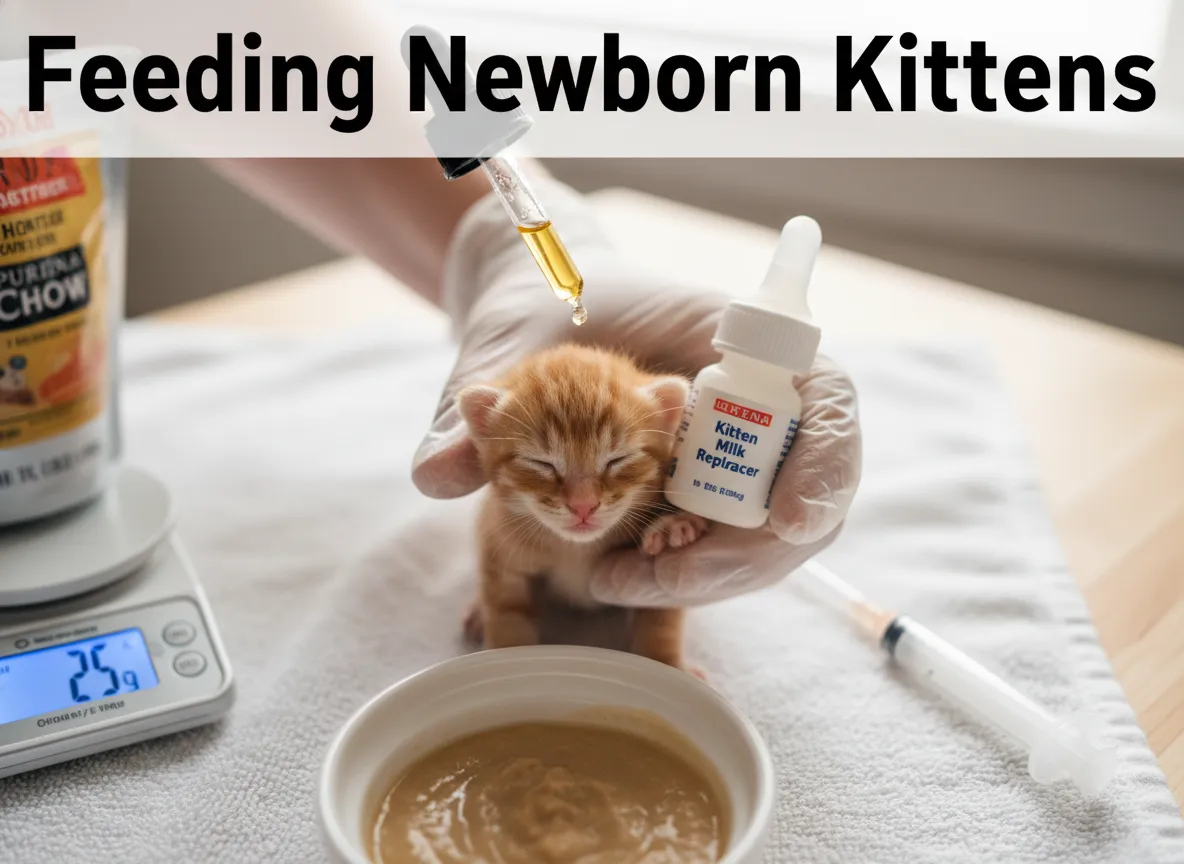
Newborn kittens have incredibly specific nutritional needs that change rapidly as they grow. Their digestive systems are delicate, their immune systems are still developing, and their caloric requirements are surprisingly high. Making the wrong feeding choices during this vulnerable period can lead to digestive upset, malnutrition, or even life-threatening complications.
Key Takeaways
- Mother’s milk is the gold standard for newborn kitten nutrition, providing essential antibodies and perfectly balanced nutrients for the first 3-4 weeks of life
- Kitten milk replacer (KMR) is the only safe alternative to mother’s milk – never use cow’s milk or goat’s milk as these cause dangerous digestive problems
- Feeding frequency is critical – newborns need feeding every 2-3 hours around the clock, gradually extending to every 5-6 hours by 4 weeks
- Gradual weaning to solid food should begin around 4 weeks with specially formulated wet kitten food mixed into a gruel consistency
- High-protein, meat-based nutrition with essential nutrients like DHA, taurine, and elevated calcium levels supports proper brain, heart, and bone development
Understanding Newborn Kitten Nutritional Needs
Before exploring the 7 Safe and Nutritious Options for What to Feed Newborn Kittens, it’s essential to understand why these tiny creatures have such specific dietary requirements. Kittens are born with their eyes closed, ears folded, and completely dependent on their mother for warmth, protection, and nutrition.
During the first few weeks of life, kittens experience rapid growth and development. At 10 weeks of age, they require 200 kcal/kg body weight per day – more than double their requirements at 10 months [6]. This incredible caloric density must come from easily digestible sources that won’t overwhelm their immature digestive systems.
Newborn kittens also lack the ability to regulate their body temperature and have underdeveloped immune systems. The nutrition they receive during this period directly impacts their ability to fight off infections, develop properly, and transition successfully to independence.
The 7 Safe and Nutritious Options for What to Feed Newborn Kittens
1. Mother’s Milk – The Perfect Foundation
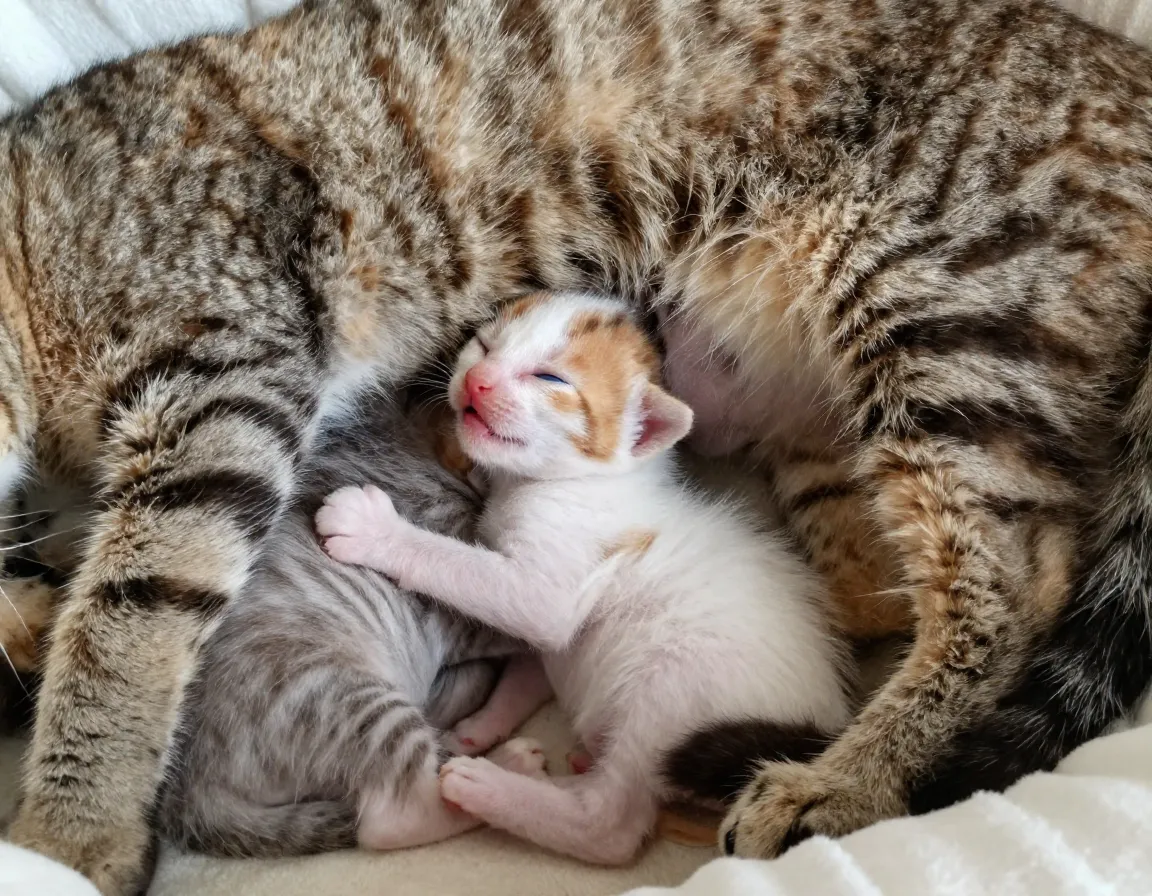
Mother’s milk remains the optimal choice for feeding newborn kittens from birth through 3-4 weeks of age [1]. This natural nutrition source provides several irreplaceable benefits that no artificial substitute can fully replicate.
The first milk produced by mother cats, called colostrum, contains concentrated antibodies that provide disease protection during the kitten’s most vulnerable period [1]. These maternal antibodies help bridge the gap while the kitten’s own immune system develops.
Mother’s milk also contains the perfect balance of:
- Proteins for muscle and tissue development
- Fats for energy and brain development
- Lactose in amounts kittens can properly digest
- Vitamins and minerals in ideal proportions
The composition of mother’s milk actually changes as kittens grow, automatically adjusting to meet their evolving nutritional needs. This dynamic adaptation ensures kittens receive exactly what they need at each stage of development.
2. Kitten Milk Replacer (KMR) – The Safe Alternative
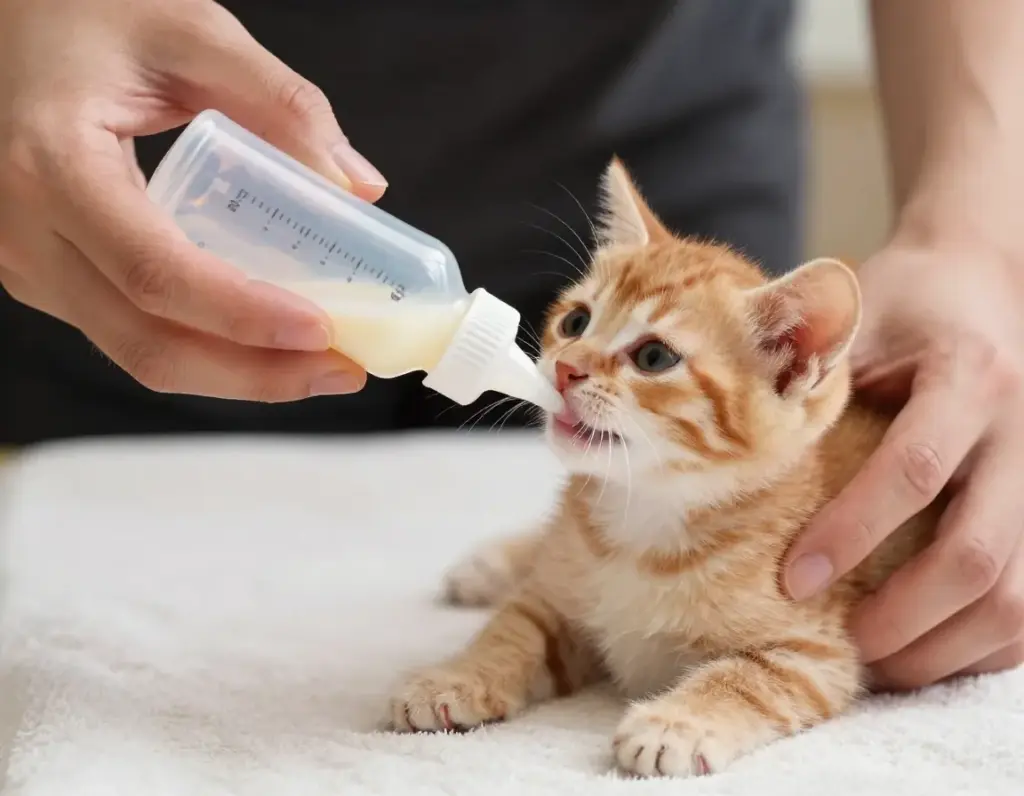
When mother’s milk isn’t available due to orphaned kittens or insufficient milk production, kitten milk replacer (KMR) serves as the only safe alternative [2][5]. Commercial KMR products are specifically formulated to closely mimic the nutritional profile of cat milk.
Important Safety Note: Never use cow’s milk or goat’s milk for kittens, as these cause digestive upset and diarrhea that can quickly become life-threatening in newborns [2][5].
Quality KMR products contain:
- Appropriate protein levels (typically 42-45%)
- Essential fatty acids for brain development
- Proper calcium-to-phosphorus ratios
- Easily digestible ingredients
Popular KMR brands include PetAg KMR, Esbilac Puppy Milk Replacer (also suitable for kittens), and Royal Canin Babycat Milk. Always follow package instructions for proper mixing ratios and feeding amounts.
3. High-Quality Wet Kitten Food – Starting the Transition
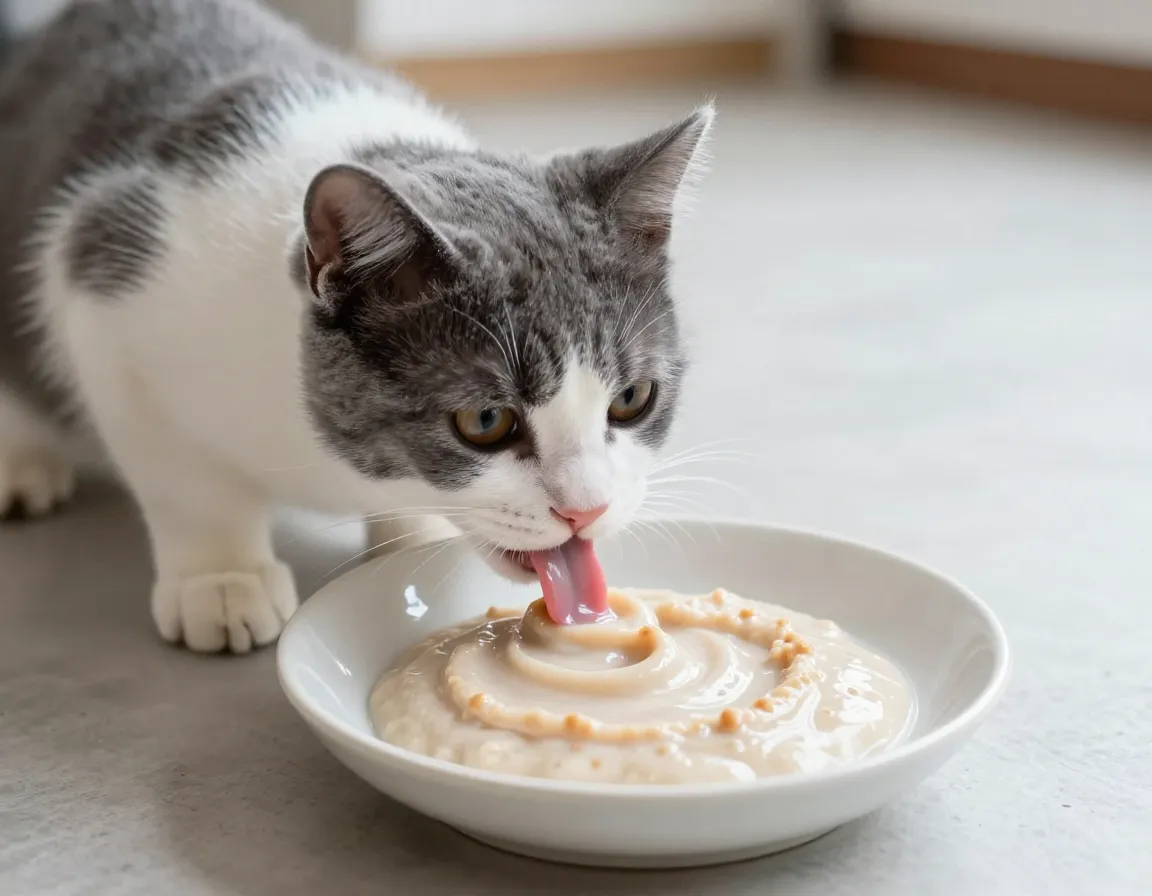
Around 4 weeks of age, kittens can begin the gradual transition to solid food. Wet kitten food formulations provide the ideal starting point for this weaning process [4]. These foods are specially designed to meet the intense nutritional demands of growing kittens.
When introducing wet kitten food, create a gruel mixture by combining:
- 1 part high-quality wet kitten food
- 1-2 parts warm kitten milk replacer
- Mix to a smooth, soupy consistency
Key features to look for in wet kitten food:
- High-protein, meat-based ingredients as the primary components [1]
- Minimum DHA content for brain and vision development [1]
- Essential amino acid taurine for heart and eye health [1]
- Age-appropriate texture that’s easy to lap and swallow
Gradually reduce the amount of milk replacer in the mixture over 1-2 weeks until kittens are eating straight wet food.
4. Specially Formulated Dry Kitten Food – Building Independence
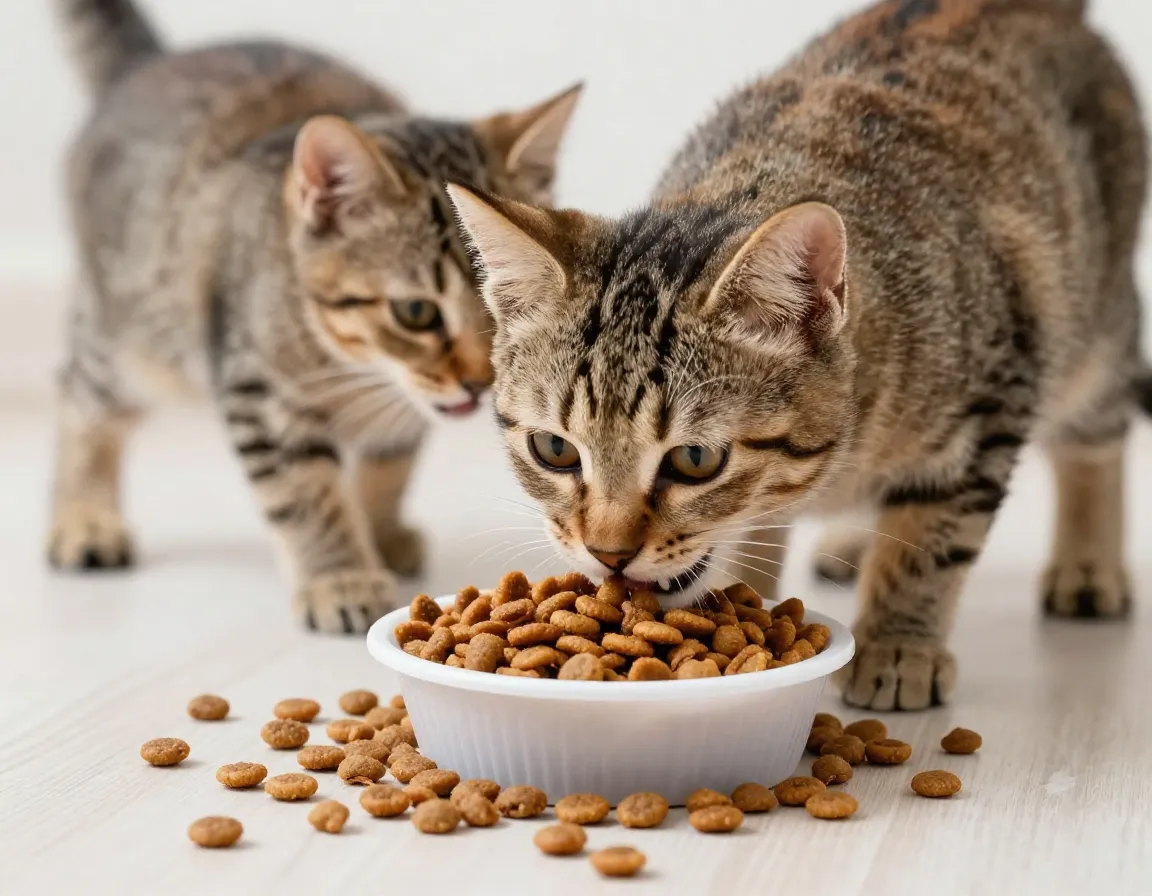
As kittens approach 5-6 weeks of age and their teeth begin to emerge, high-quality dry kitten food can be introduced alongside wet food. By this age, kittens should be consuming 80-90% of their nutrients from solid kitten food [4].
Dry kitten food offers several advantages:
- Dental benefits from the chewing action
- Convenience for free-feeding situations
- Concentrated nutrition in smaller serving sizes
- Longer shelf life once opened
When selecting dry kitten food, prioritize products with:
- Meat as the first ingredient
- Minimum 30% protein content
- Higher fat content (12-15%) for energy needs
- Small kibble size appropriate for tiny mouths
Introduce dry food gradually by:
- Moistening kibble with warm water or KMR initially
- Gradually reducing moisture over several days
- Offering both wet and dry options to encourage variety
5. Nutritional Supplements – Supporting Optimal Development
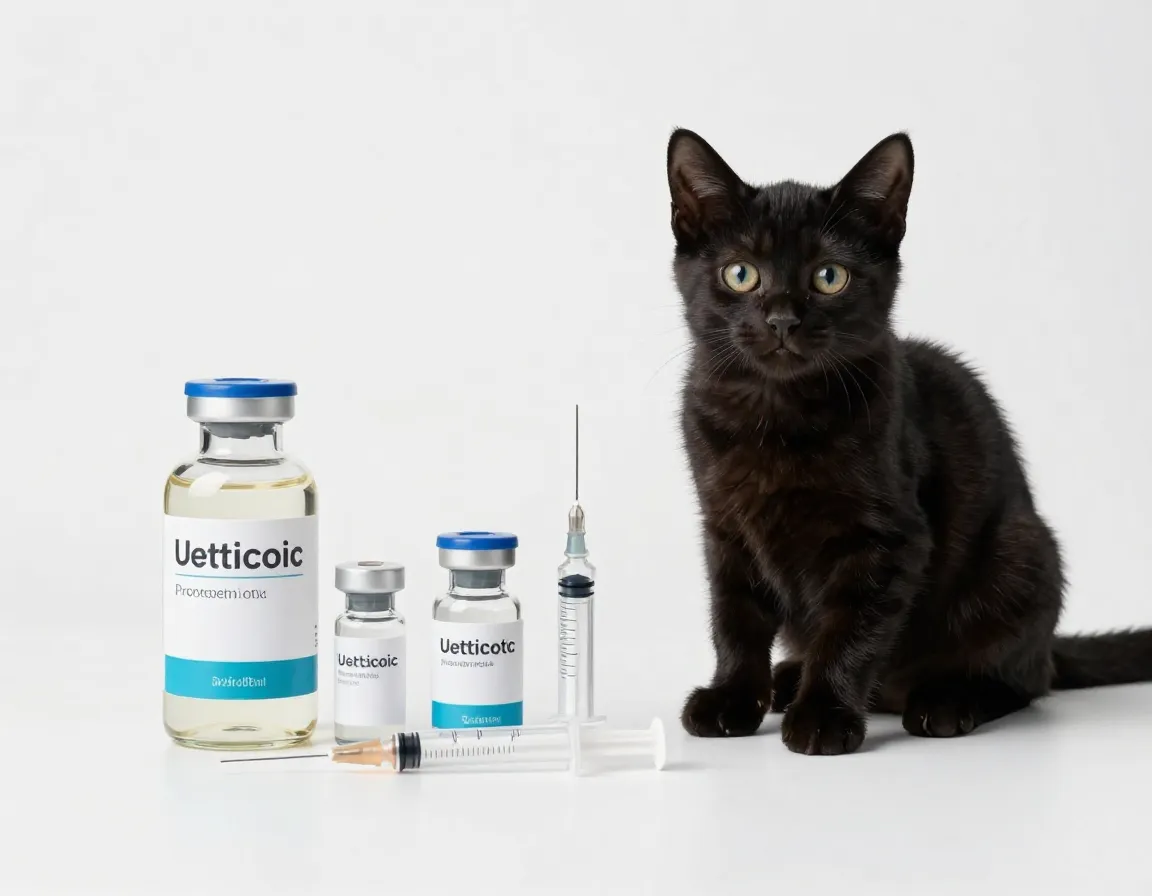
In some cases, targeted nutritional supplements may be necessary to ensure proper development, particularly for orphaned kittens or those with specific health challenges.
Essential supplements to consider:
DHA (Docosahexaenoic Acid): Critical for brain and vision development, especially important if using basic KMR formulations [1]
Probiotics: Support digestive health and immune system development, particularly beneficial during weaning stress
Vitamin supplements: May be necessary for kittens not receiving adequate nutrition from mother’s milk
Electrolyte solutions: Important for maintaining hydration, especially during illness or digestive upset
⚠️ Important: Always consult with a veterinarian before adding supplements to a kitten’s diet. Over-supplementation can be as harmful as deficiencies.
6. Prescription Diets – For Special Medical Needs
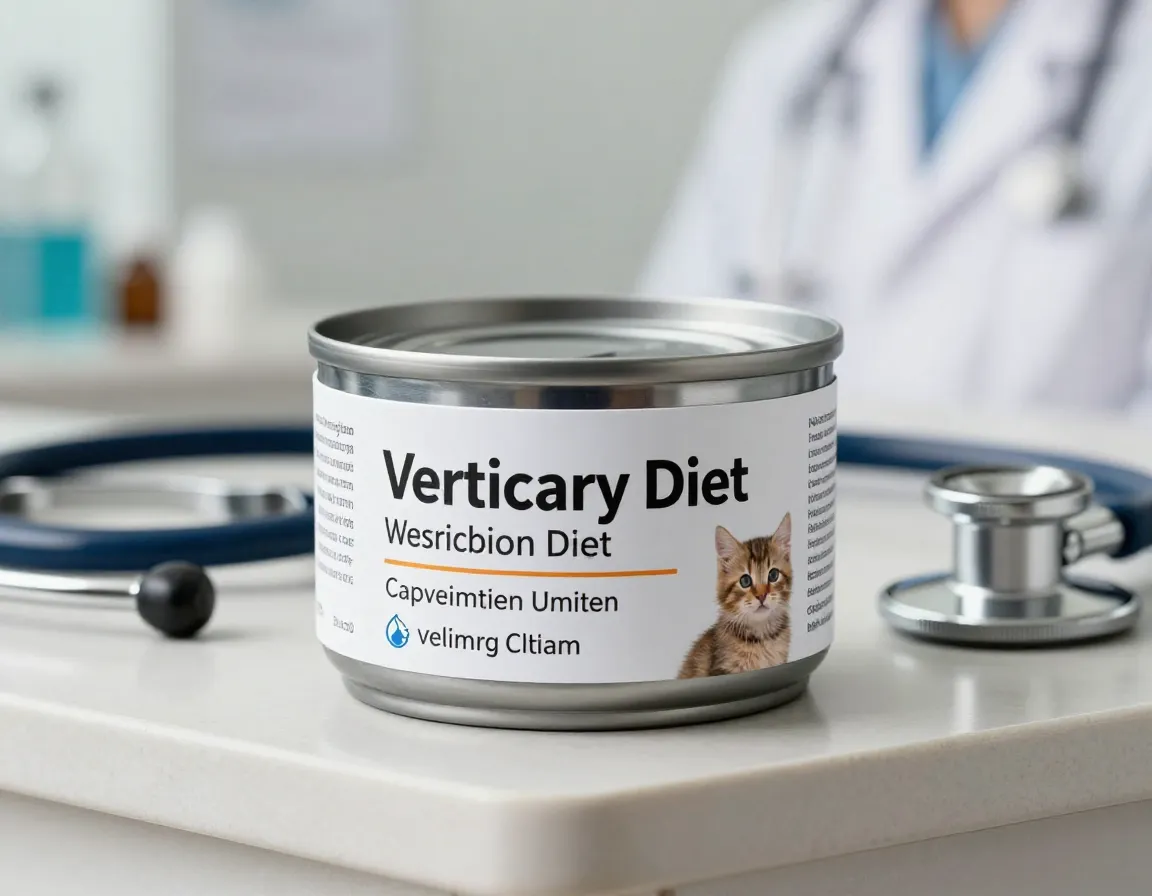
Some kittens may require specialized prescription diets due to health conditions, premature birth, or specific medical needs. These therapeutic formulations address particular nutritional challenges while supporting overall growth.
Common prescription diet scenarios:
- Premature or underweight kittens requiring calorie-dense formulations
- Kittens with digestive sensitivities needing easily digestible proteins
- Orphaned kittens with immune challenges requiring enhanced immune support
- Kittens recovering from illness needing therapeutic nutrition
Prescription diets are only available through veterinary clinics and require professional monitoring to ensure appropriate use and effectiveness.
7. Homemade Emergency Formula – Last Resort Only
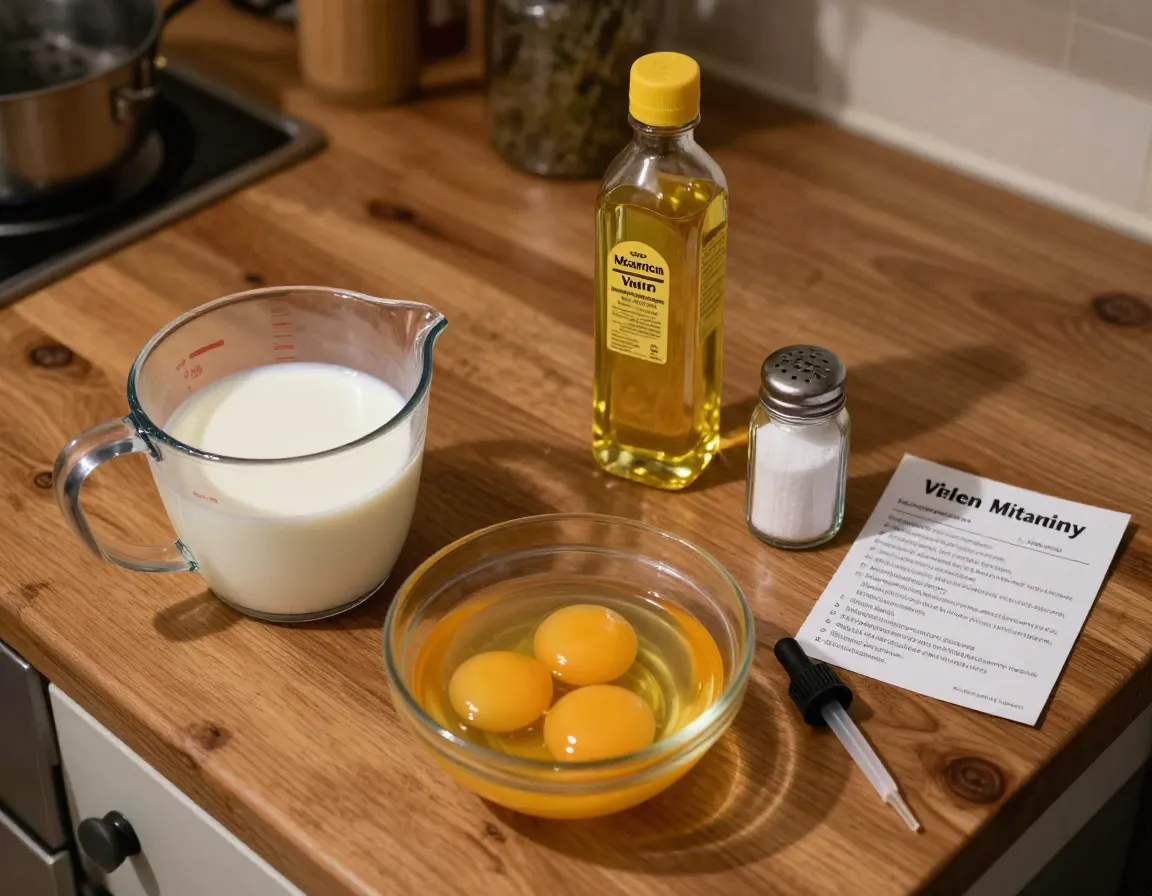
In true emergency situations where commercial KMR is unavailable, a temporary homemade formula can sustain kittens for short periods. However, this should only be used until proper KMR can be obtained.
Emergency formula recipe:
- 1 cup whole milk
- 1 tablespoon corn oil
- 1 pinch of salt
- 3 egg yolks (no whites)
- 1 dropper liquid pediatric vitamins (optional)
Critical warnings about homemade formula:
- ❌ Not nutritionally complete for long-term feeding
- ❌ May cause digestive upset in sensitive kittens
- ❌ Lacks essential nutrients found in commercial KMR
- ❌ Should be replaced with proper KMR within 24-48 hours
This emergency option exists solely as a bridge to proper nutrition, not as a long-term feeding solution.
Feeding Schedules and Portion Guidelines
Understanding when and how much to feed is just as important as knowing what to feed newborn kittens. Feeding schedules must align with the kitten’s developmental stage and digestive capacity.
Age-Based Feeding Frequency
Newborn to 2 weeks: Every 2-3 hours around the clock [5]
- Total daily intake: 15-20ml per 100g body weight
- Night feeding required: Yes, maintain 2-3 hour intervals
- Feeding method: Bottle, syringe, or tube feeding
2½ to 4 weeks: Every 5-6 hours [5]
- Total daily intake: 20-25ml per 100g body weight
- Night feeding: Can extend to 6-hour intervals
- Feeding method: Bottle feeding, begin introducing shallow dishes
4 weeks and older: 2-3 times daily as weaning begins [5]
- Solid food introduction: Begin gruel mixture
- Milk feeding: Gradually reduce frequency
- Free feeding: Can begin offering dry food for nibbling
Monitoring Healthy Growth
Weekly weight checks provide the best indicator of adequate nutrition. Healthy kittens should:
- Double their birth weight by 10-14 days
- Gain 10-15 grams daily during the first few weeks
- Show steady, consistent growth without dramatic fluctuations
Signs of adequate nutrition:
- ✅ Steady weight gain
- ✅ Active, alert behavior when awake
- ✅ Normal elimination (urination and defecation)
- ✅ Pink, moist gums
- ✅ Soft, rounded belly (not distended)
Red flags requiring immediate veterinary attention:
- 🚨 Weight loss or failure to gain
- 🚨 Lethargy or weakness
- 🚨 Diarrhea or constipation
- 🚨 Vomiting or regurgitation
- 🚨 Pale gums or dehydration
Essential Feeding Techniques and Safety Tips
Proper feeding technique is crucial when caring for newborn kittens. Incorrect methods can lead to aspiration pneumonia, choking, or inadequate nutrition intake.
Safe Bottle Feeding Methods
Equipment preparation:
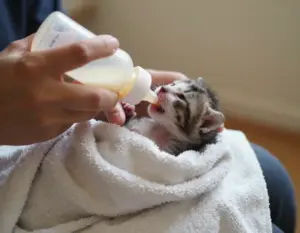
- Use kitten-specific bottles with appropriate nipple sizes
- Sterilize all equipment before each use
- Test temperature on your wrist – should be warm, not hot
- Check nipple flow – milk should drip slowly when inverted
Feeding position:
- Never feed kittens on their backs – this can cause aspiration
- Position kitten on stomach with head slightly elevated
- Support the kitten’s body with a towel or your non-feeding hand
- Allow natural nursing posture similar to feeding from mother
Feeding technique:
- Insert nipple gently into kitten’s mouth
- Allow kitten to suckle rather than forcing milk
- Watch for milk bubbles around the nipple indicating proper suction
- Pause frequently to allow swallowing and breathing
Stimulating Elimination
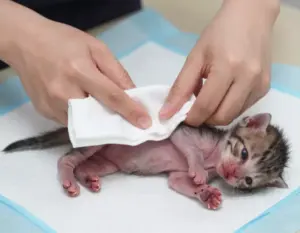
Young kittens cannot eliminate waste independently and require manual stimulation after each feeding [7]. Mother cats normally provide this through licking, which caregivers must replicate.
Proper stimulation technique:
- Use a warm, damp cloth or cotton ball
- Gently massage the anal and genital areas
- Continue until kitten eliminates (may take 30-60 seconds)
- Clean the kitten thoroughly after elimination
- Monitor output for signs of digestive health
Transitioning to Independence: The Weaning Process
The weaning process represents a critical transition in kitten development, typically beginning around 4 weeks of age and completing by 8-10 weeks. This gradual shift from milk-based nutrition to solid food requires careful management to ensure continued healthy growth.
Week-by-Week Weaning Guide
Week 4-5: Introduction Phase
- Begin gruel mixture (50% wet food, 50% KMR)
- Offer in shallow dishes to encourage lapping
- Continue bottle feeding for primary nutrition
- Expect messy eating as kittens learn new skills
Week 5-6: Transition Phase
- Reduce KMR in gruel to 25% of mixture
- Increase solid food portions
- Introduce dry kibble softened with warm water
- Begin reducing bottle feedings to 1-2 times daily
Week 6-8: Independence Phase
- Offer straight wet and dry food
- Eliminate bottle feeding gradually
- Provide fresh water in shallow bowls
- Monitor eating habits to ensure adequate intake
Common Weaning Challenges
Reluctant eaters: Some kittens resist the transition to solid food
- Solution: Mix in small amounts of tuna juice or chicken broth for flavor
- Patience: Allow extra time for adjustment
- Consistency: Maintain regular feeding schedules
Digestive upset: Rapid diet changes can cause stomach issues
- Prevention: Make gradual transitions over 7-10 days
- Management: Return to previous diet if severe symptoms occur
- Veterinary care: Seek help for persistent digestive problems
Creating the Optimal Feeding Environment
The feeding environment significantly impacts a kitten’s comfort, safety, and nutritional success. Creating the right conditions supports healthy eating habits and reduces stress during this vulnerable period.
Physical Environment Setup
Temperature control: Maintain ambient temperature of 75-80°F (24-27°C)
- Heating pads on low setting under half the feeding area
- Warm blankets for comfort and security
- Draft-free location away from air conditioning or heating vents
Cleanliness standards:
- Sanitize feeding equipment before each use
- Clean feeding area daily with pet-safe disinfectants
- Fresh food and water replaced every 4-6 hours
- Remove uneaten food promptly to prevent spoilage
Safety considerations:
- Non-slip surfaces to prevent falls during feeding
- Shallow dishes to prevent drowning risks
- Supervision during all feeding sessions
- Emergency supplies readily available (thermometer, heating source, veterinary contact)
Long-Term Nutritional Planning
While the focus on 7 Safe and Nutritious Options for What to Feed Newborn Kittens addresses immediate needs, planning for long-term nutritional health sets the foundation for a lifetime of wellness.
Establishing Healthy Eating Patterns
Meal scheduling: Regular feeding times help establish routine
- 3-4 meals daily for kittens 8-16 weeks old
- Consistent timing helps regulate digestion
- Gradual transition to adult feeding schedule by 6 months
Portion control: Preventing overfeeding while ensuring adequate nutrition
- Follow feeding guidelines on commercial food packages
- Adjust based on body condition and growth rate
- Monitor weight regularly to track healthy development
Food variety: Introducing different textures and flavors
- Multiple protein sources (chicken, fish, turkey)
- Various textures (pâté, chunks in gravy, dry kibble)
- Gradual introductions to prevent digestive upset
Conclusion
Successfully feeding newborn kittens requires knowledge, dedication, and careful attention to their rapidly changing needs. The 7 Safe and Nutritious Options for What to Feed Newborn Kittens – mother’s milk, kitten milk replacer, wet kitten food, dry kitten food, nutritional supplements, prescription diets, and emergency formulas – provide a comprehensive toolkit for ensuring proper nutrition during this critical period.
Remember that mother’s milk remains the gold standard whenever possible, while kitten milk replacer serves as the only safe alternative for orphaned or rejected kittens. The gradual transition to solid foods around 4 weeks of age, combined with proper feeding techniques and environmental management, supports healthy development and long-term wellness.
Take action today by:
- Consulting with a veterinarian to develop an appropriate feeding plan
- Gathering necessary supplies before you need them in an emergency
- Learning proper feeding techniques through hands-on practice or professional guidance
- Monitoring kitten growth through regular weighing and health assessments
- Building relationships with local veterinary professionals and animal welfare organizations
The investment in proper nutrition during these first crucial weeks pays dividends throughout a cat’s entire lifetime. With the right knowledge and commitment, you can help vulnerable kittens grow into healthy, thriving adult cats ready for loving forever homes.
References
[1] What To Feed Kittens – https://www.chewy.com/education/cat/new-cat/what-to-feed-kittens
[2] 1282253 What To Feed A Kitten A Complete Guide For New Pet Parents – https://drkaisersanimalclinicofmandarin.com/blog/1282253-what-to-feed-a-kitten-a-complete-guide-for-new-pet-parents
[3] Caring For A Newborn Kitten Until They Are 8 Weeks Old Complete Kitten Care Nutrition And Growth Guide – https://vetic.in/blog/pet-care/caring-for-a-newborn-kitten-until-they-are-8-weeks-old-complete-kitten-care-nutrition-and-growth-guide/
[4] Cat Nutrition Tips – https://www.aspca.org/pet-care/cat-care/cat-nutrition-tips
[5] Caring For Neonatal Kittens – https://www.alleycat.org/community-cat-care/caring-for-neonatal-kittens/
[6] Nutrition And Weight Kittens – https://www.aaha.org/resources/2021-aaha-aafp-feline-life-stage-guidelines/nutrition-and-weight-kittens/
[7] Caring For Kittens From Birth To Eight Weeks – https://sheltermedicine.wisc.edu/library/guidebooks/guide-to-raising-underage-kittens/caring-for-kittens-from-birth-to-eight-weeks