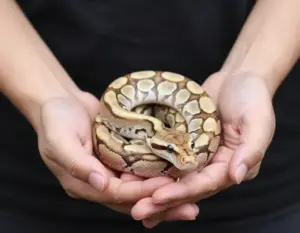
7 Reasons the Eastern Milk Snake is an Underrated Pet for Beginners
When most people think about pet snakes, their minds often jump to ball pythons or corn snakes. But there’s a hidden gem in the reptile world that deserves serious consideration: the Eastern milk snake. These beautiful, docile serpents offer everything a beginner could want in their first snake, yet they remain surprisingly overlooked in pet stores and reptile communities. 7 Reasons the Eastern Milk Snake is an Underrated Pet for Beginners reveals why these remarkable creatures might just be the perfect starter snake you never knew existed.

Key Takeaways
- Eastern milk snakes are exceptionally hardy and forgiving of minor care mistakes, making them ideal for new reptile owners
- Their calm temperament and reluctance to bite creates a safe, enjoyable handling experience for beginners
- Simple care requirements include basic heating, minimal humidity needs, and straightforward feeding schedules
- Stunning natural coloration provides visual appeal without the premium price tag of designer morphs
- Readily available and affordable compared to many popular beginner snake species
Why Eastern Milk Snakes Deserve Recognition Among Beginner-Friendly Reptiles
The reptile hobby has long been dominated by a handful of “starter species,” but experienced keepers know that some of the best beginner snakes fly under the radar. Eastern milk snakes (Lampropeltis triangulum triangulum) represent one of North America’s most underappreciated native species, combining beauty, hardiness, and gentle temperaments in a package that’s perfect for newcomers.
These snakes have been thriving in the wild across eastern North America for thousands of years, adapting to diverse climates and conditions. This natural resilience translates directly into captive success, making them incredibly forgiving pets for those still learning the ropes of snake care.
1. Exceptionally Hardy and Forgiving Nature Makes Them Perfect Starter Snakes
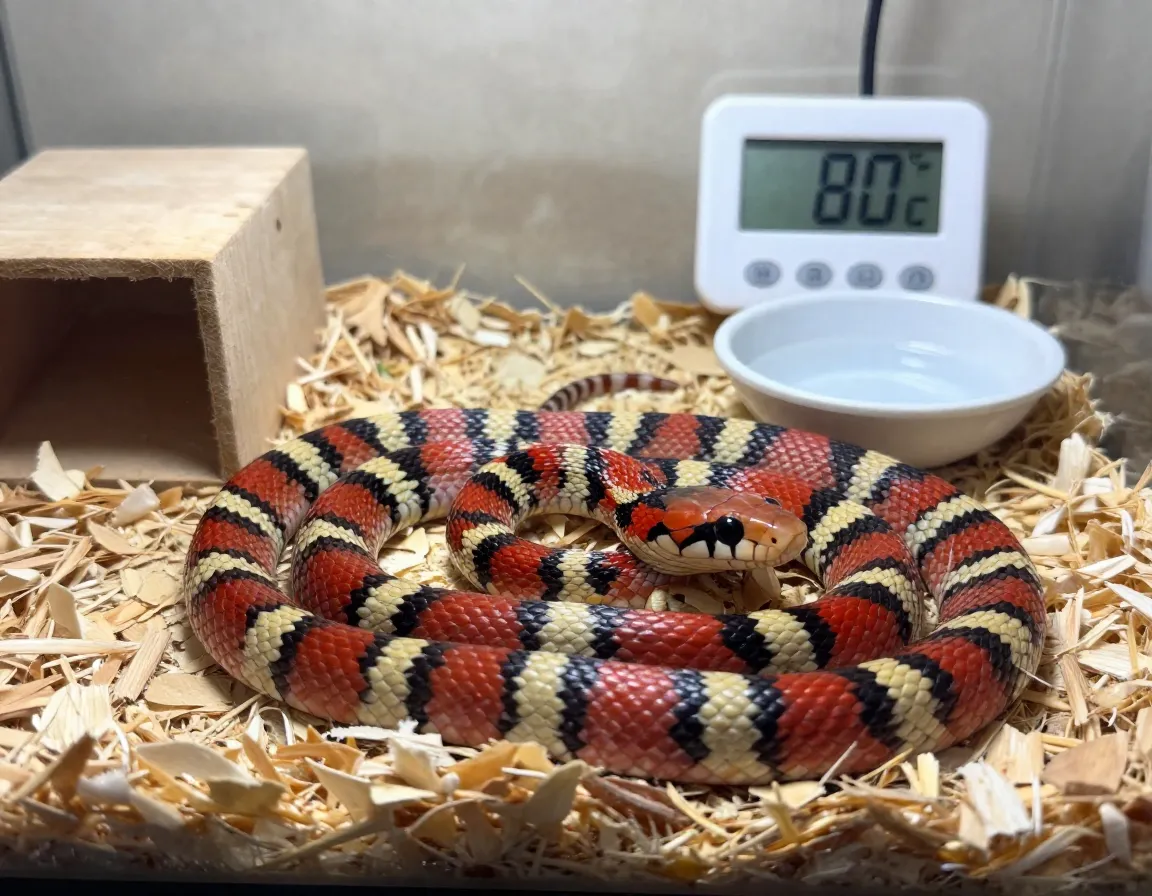
Eastern milk snakes are virtually bulletproof when it comes to basic care requirements. Unlike some sensitive species that require precise environmental conditions, these adaptable serpents tolerate minor fluctuations in temperature and humidity without stress or health issues.
Natural Resilience in Captivity
In the wild, Eastern milk snakes experience significant seasonal temperature variations, from hot summers to cold winters where they brumate underground. This natural adaptability means they’re less likely to suffer from:
- Temperature fluctuations during equipment failures
- Slight humidity variations that might stress other species
- Feeding schedule irregularities during travel or busy periods
- Minor substrate or enclosure changes during maintenance
Beginner-Friendly Health Profile
New snake owners often worry about recognizing health problems, but Eastern milk snakes rarely develop the common issues that plague other species. They’re not prone to:
- Respiratory infections from minor humidity issues
- Scale rot from slightly damp conditions
- Feeding strikes that last for months
- Stress-related behaviors from handling
“Eastern milk snakes are incredibly forgiving pets. In my 15 years of keeping reptiles, I’ve never seen a healthier, more resilient species for beginners.” – Sarah Chen, Certified Reptile Specialist
This hardy nature gives new owners confidence and peace of mind while they develop their husbandry skills, rather than constantly worrying about making fatal mistakes.
2. Docile Temperament and Excellent Handling Characteristics
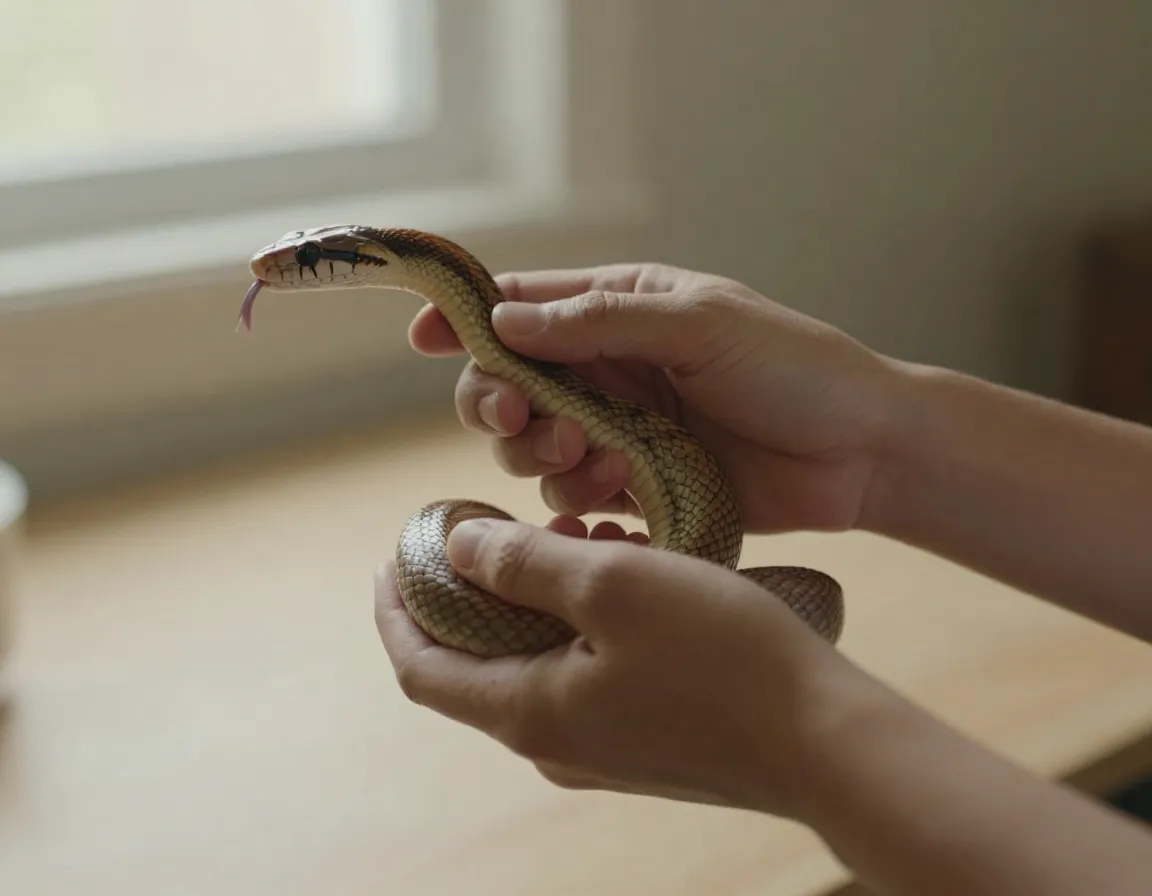
One of the most compelling 7 Reasons the Eastern Milk Snake is an Underrated Pet for Beginners centers on their remarkably calm disposition. These snakes are naturally gentle and rarely show defensive behaviors, even when handled by inexperienced owners.
Naturally Calm Personality Traits
Eastern milk snakes possess several behavioral characteristics that make them ideal for beginners:
Low Stress Response: Unlike ball pythons that ball up or corn snakes that might thrash, milk snakes typically remain calm during handling sessions.
Minimal Defensive Behaviors: They rarely hiss, strike, or release musk when picked up properly.
Quick Adaptation: Most individuals adapt to regular handling within just a few sessions.
Predictable Reactions: Their body language is easy to read, helping beginners learn snake behavior.
Safe Handling Experience
The bite risk with Eastern milk snakes is exceptionally low. Their small teeth and reluctance to bite means even if an accident occurs, injuries are minimal. This safety factor is crucial for:
- Families with children learning responsible pet care
- Adults overcoming snake phobias through positive interactions
- Building confidence in new reptile keepers
- Demonstrating proper techniques to friends and family
Handling Schedule and Techniques
| Handling Aspect | Eastern Milk Snake | Comparison to Other Beginner Species |
|---|---|---|
| Frequency | 2-3 times per week | Similar to corn snakes |
| Session Length | 10-15 minutes | Longer than ball pythons |
| Bite Risk | Very Low | Lower than most species |
| Stress Indicators | Rare | Much less than kingsnakes |
3. Simple and Straightforward Care Requirements
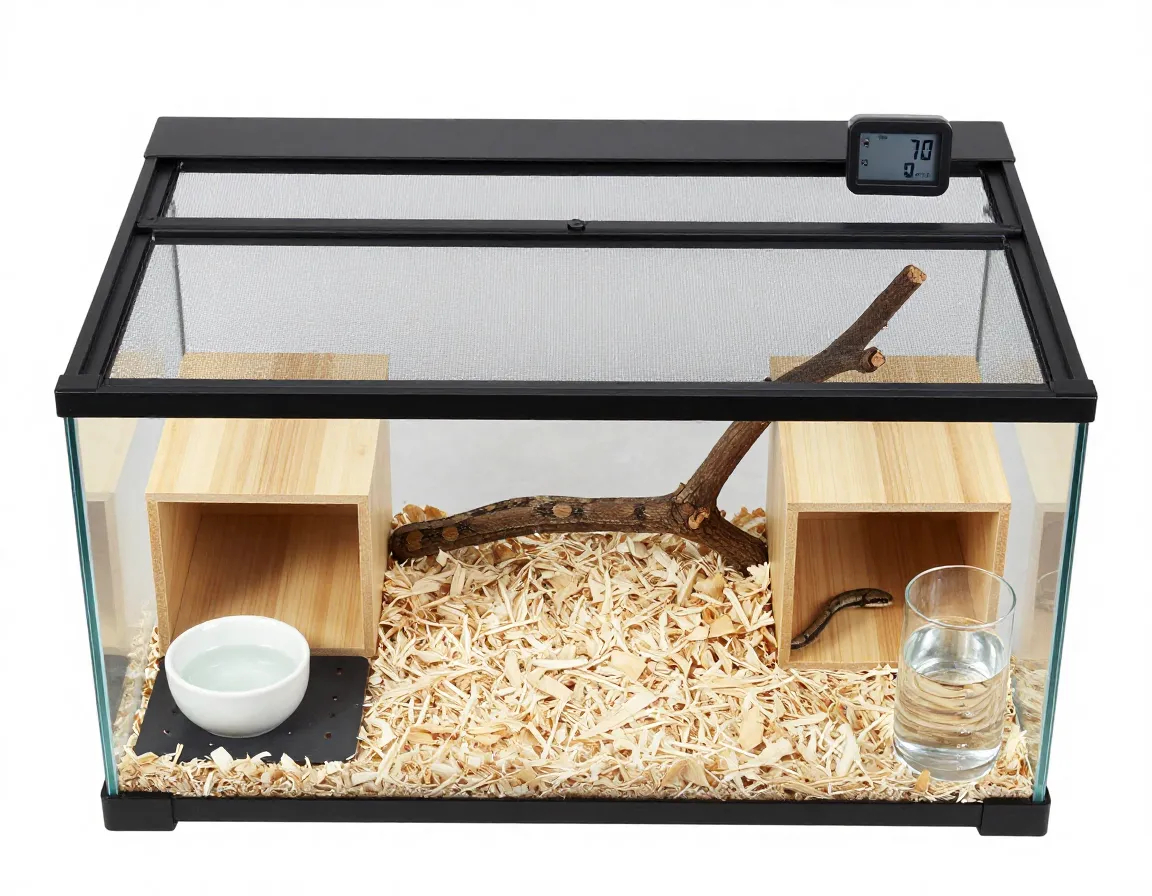
Eastern milk snakes thrive with basic husbandry, making them perfect for beginners who want to focus on enjoying their pet rather than managing complex care protocols. Their simple needs mean lower startup costs and less daily maintenance.
Basic Enclosure Setup
Setting up a proper habitat for an Eastern milk snake requires minimal equipment:
Enclosure Size: A 40-gallon long tank works perfectly for adults
Substrate: Simple aspen shavings or cypress mulch
Hiding Places: Two hide boxes (warm and cool sides)
Water: Small bowl changed weekly
Heating: Basic under-tank heater with thermostat
Temperature and Lighting Needs
Unlike many reptile species, Eastern milk snakes have straightforward thermal requirements:
- Warm Side: 78-82°F (25-28°C)
- Cool Side: 70-75°F (21-24°C)
- Nighttime Drop: 65-70°F (18-21°C)
- No Special UV Lighting Required
The lack of complex lighting needs eliminates expensive equipment and complicated timer setups that intimidate many beginners.
Humidity and Ventilation
Eastern milk snakes prefer moderate humidity levels between 40-60%, which is easily maintained in most homes without special equipment. Simple screen tops provide adequate ventilation, and occasional misting during shed cycles is usually sufficient.
Low Maintenance Schedule
Daily care tasks are minimal:
🐍 Daily: Quick visual health check
🐍 Weekly: Fresh water, spot-clean substrate
🐍 Bi-weekly: Feed appropriate prey item
🐍 Monthly: Full substrate change, enclosure cleaning
This manageable routine fits easily into busy lifestyles while ensuring optimal snake health and happiness.
4. Affordable and Readily Available from Reputable Sources
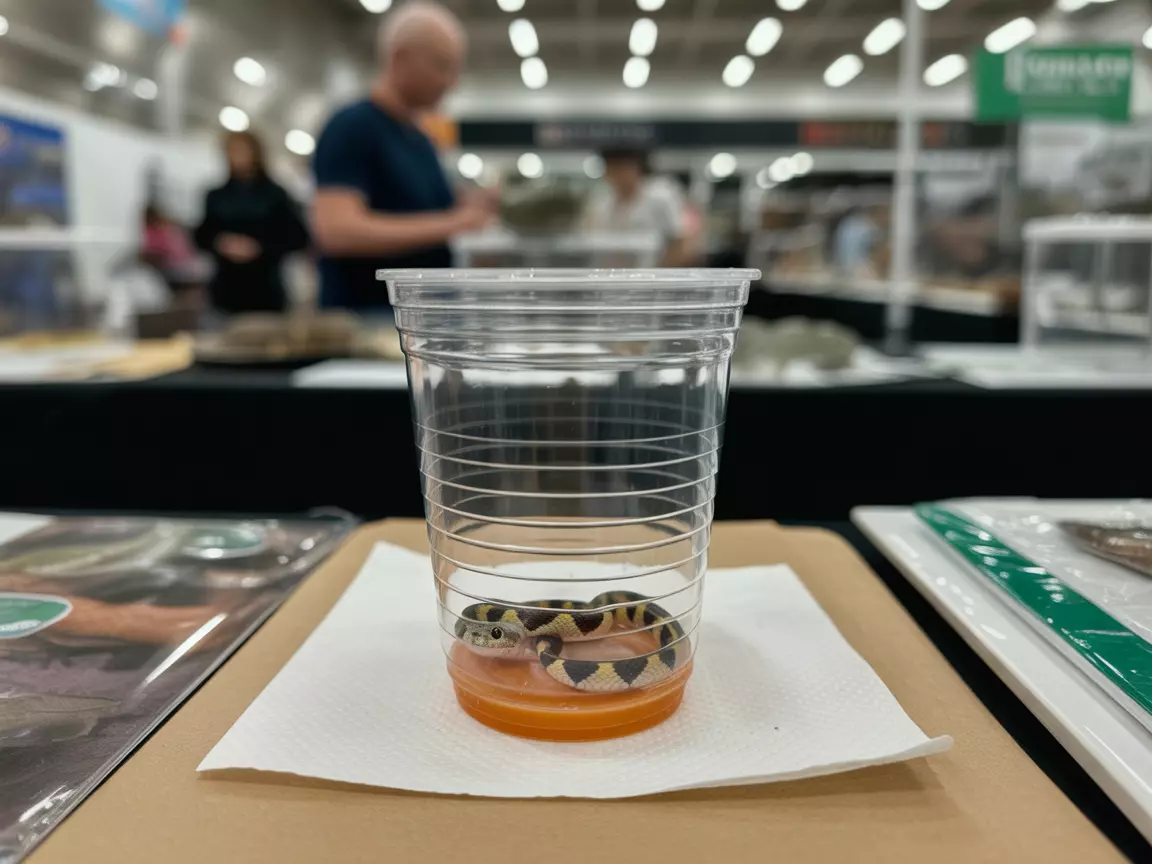
Cost considerations often determine which species beginners choose, and Eastern milk snakes offer exceptional value for new reptile keepers. Their affordability extends beyond initial purchase price to include ongoing care costs and equipment needs.
Initial Purchase Costs
Eastern milk snakes typically cost significantly less than popular alternatives:
- Eastern Milk Snake: $40-80
- Ball Python: $50-150
- Corn Snake: $30-100
- Kingsnake: $60-120
Equipment and Setup Expenses
The simple care requirements translate to lower startup costs:
Essential Equipment Budget:
- 40-gallon tank: $50-80
- Under-tank heater: $15-25
- Thermostat: $25-40
- Substrate and accessories: $30-50
- Total Setup: $120-195
Compare this to species requiring expensive UV lighting, complex humidity systems, or specialized heating that can easily double setup costs.
Ongoing Care Expenses
Monthly care costs remain minimal:
- Food: $8-12 (frozen mice)
- Substrate: $3-5
- Electricity: $2-4
- Total Monthly: $13-21
Availability and Sourcing
Eastern milk snakes are increasingly available through:
- Local reptile stores and expos
- Online reptile retailers with shipping
- Reptile rescue organizations
- Responsible hobbyist breeders
Their growing popularity means finding healthy, well-started juveniles is easier than ever, though they remain more affordable than trendy species.
5. Beautiful Natural Coloration Without Premium Pricing
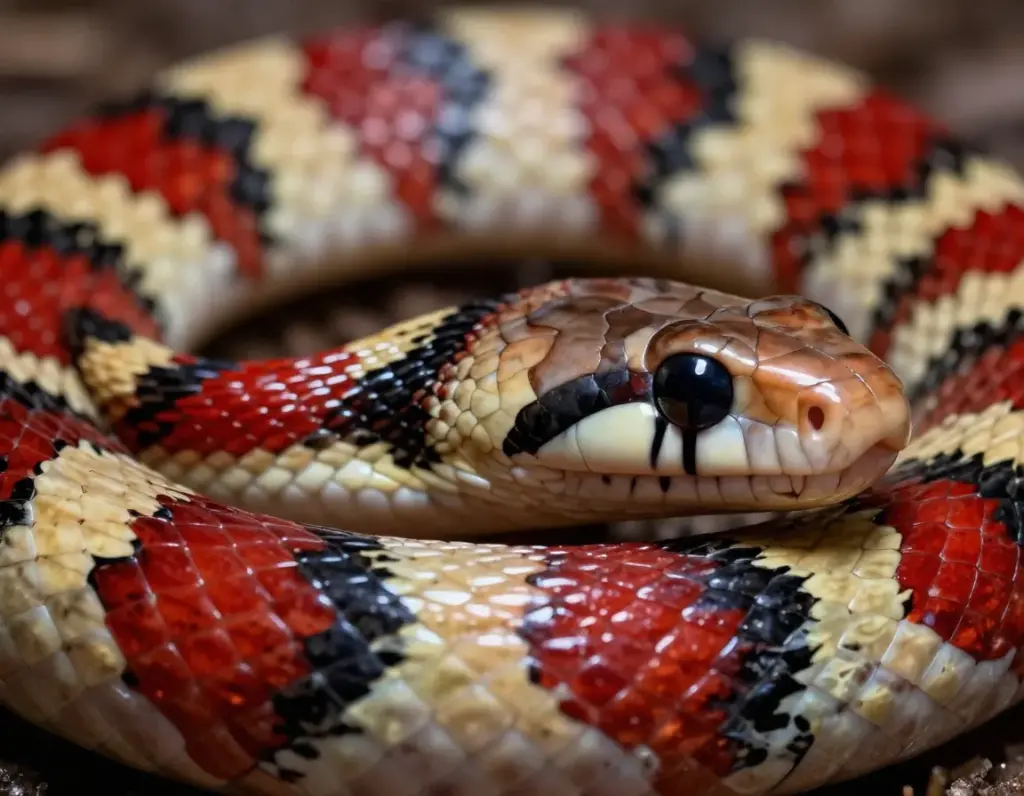
Among the 7 Reasons the Eastern Milk Snake is an Underrated Pet for Beginners, their stunning appearance stands out as particularly compelling. These snakes offer natural beauty that rivals expensive designer morphs without the premium price tag.
Classic Tri-Color Pattern
Eastern milk snakes display the iconic milk snake pattern featuring:
Bold Red Bands: Vibrant red or orange-red sections
Black Borders: Crisp black bands separating colors
White/Cream Accents: Clean white or cream bands completing the pattern
Glossy Scales: Smooth, lustrous scales that enhance color vibrancy
This natural coloration mimics the venomous coral snake, but milk snakes are completely harmless. The easy mnemonic “red touches black, friend of Jack” helps distinguish them from dangerous species.
Regional Variations
Eastern milk snakes show subtle regional differences that add interest:
- Northern populations: Brighter reds and cleaner whites
- Southern variants: Deeper oranges and cream tones
- Individual variation: Each snake has unique band width and intensity
Comparison to Expensive Morphs
While ball python morphs can cost thousands of dollars, Eastern milk snakes provide comparable visual appeal at a fraction of the cost:
| Species/Morph | Average Cost | Visual Appeal | Beginner Suitability |
|---|---|---|---|
| Eastern Milk Snake | $40-80 | ⭐⭐⭐⭐⭐ | Excellent |
| Ball Python (Normal) | $50-100 | ⭐⭐⭐ | Good |
| Ball Python (Designer) | $200-2000+ | ⭐⭐⭐⭐⭐ | Good |
| Corn Snake (Normal) | $30-60 | ⭐⭐⭐⭐ | Excellent |
Photogenic Qualities
Eastern milk snakes are naturally photogenic, making them perfect for:
- Social media sharing and reptile photography
- Educational demonstrations at schools or events
- Building interest in reptile keeping among friends
- Showcasing natural beauty without artificial enhancement
The contrast between their bold patterns and glossy scales creates striking visual appeal that never gets old, even after years of ownership.
6. Manageable Adult Size Perfect for Most Living Situations
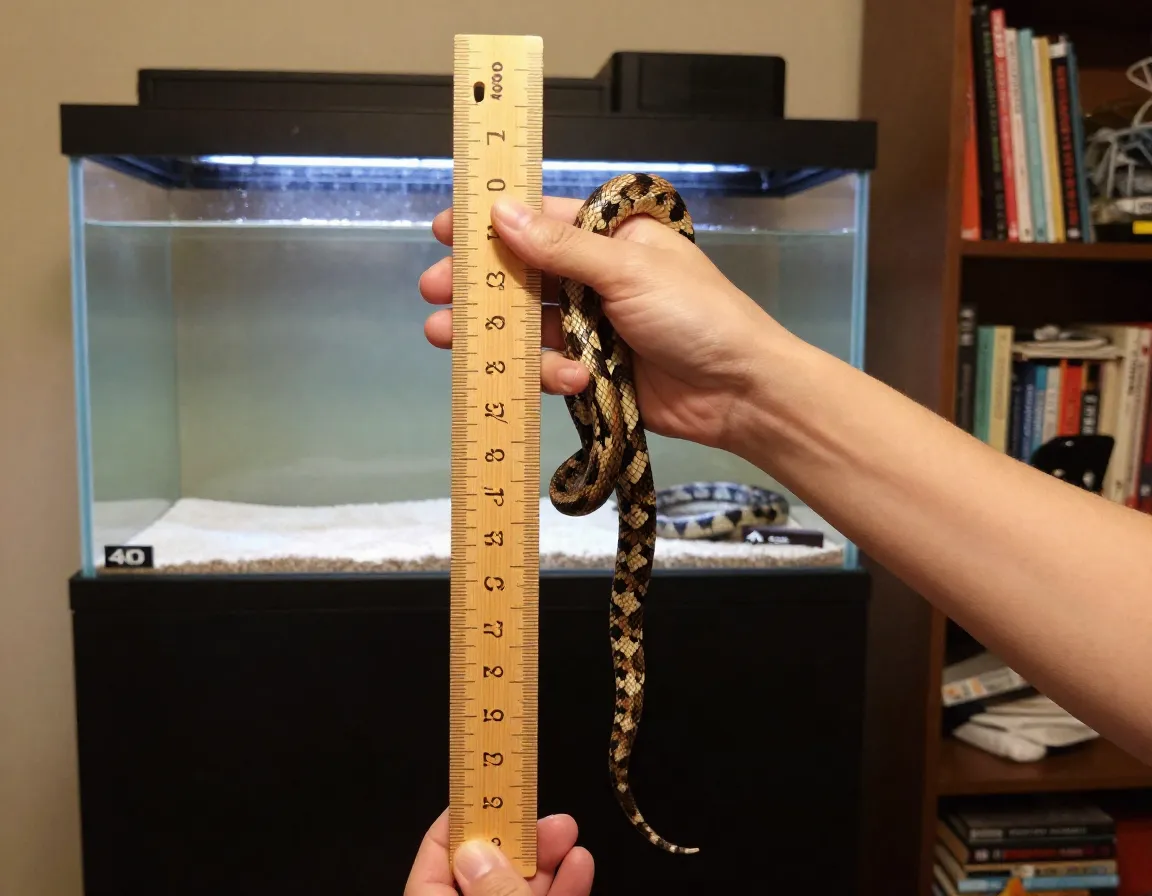
Size considerations are crucial when selecting a first snake, and Eastern milk snakes hit the sweet spot between being substantial enough to handle comfortably while remaining manageable for most living situations.
Adult Size Specifications
Eastern milk snakes reach ideal proportions for beginner keepers:
Length: 24-36 inches (60-90 cm) typically
Weight: 150-300 grams when mature
Body Diameter: Approximately 1 inch at thickest point
Sexual Dimorphism: Females slightly larger than males
Space Requirements
Their moderate size means reasonable enclosure needs:
- Minimum Tank Size: 40-gallon long (36″ x 18″ x 18″)
- Ideal Setup: 75-gallon tank for maximum comfort
- Floor Space Priority: Length and width more important than height
- Apartment Friendly: Suitable for most rental situations
Handling Considerations
The manageable size offers several advantages for beginners:
Comfortable Handling Weight: Light enough for extended sessions without fatigue
Secure Grip: Easy to support properly without dropping risk
Child-Friendly: Appropriate size for supervised children to handle
Transport Ease: Simple to move for vet visits or relocations
Growth Timeline
Understanding growth patterns helps beginners plan appropriately:
- Hatchling: 6-8 inches, pencil thickness
- 6 Months: 12-15 inches, growing rapidly
- 1 Year: 18-24 inches, slowing growth rate
- 2-3 Years: Adult size reached, growth plateaus
Comparison to Other Species
| Species | Adult Length | Adult Weight | Enclosure Needs |
|---|---|---|---|
| Eastern Milk Snake | 24-36 inches | 150-300g | 40+ gallon |
| Ball Python | 36-48 inches | 1000-2000g | 75+ gallon |
| Corn Snake | 36-48 inches | 200-500g | 40+ gallon |
| Boa Constrictor | 72-120 inches | 4000-8000g | 120+ gallon |
The moderate adult size ensures that beginners won’t outgrow their setup or find themselves with an unmanageably large snake as their pet matures.
7. Excellent Feeding Response and Simple Dietary Needs
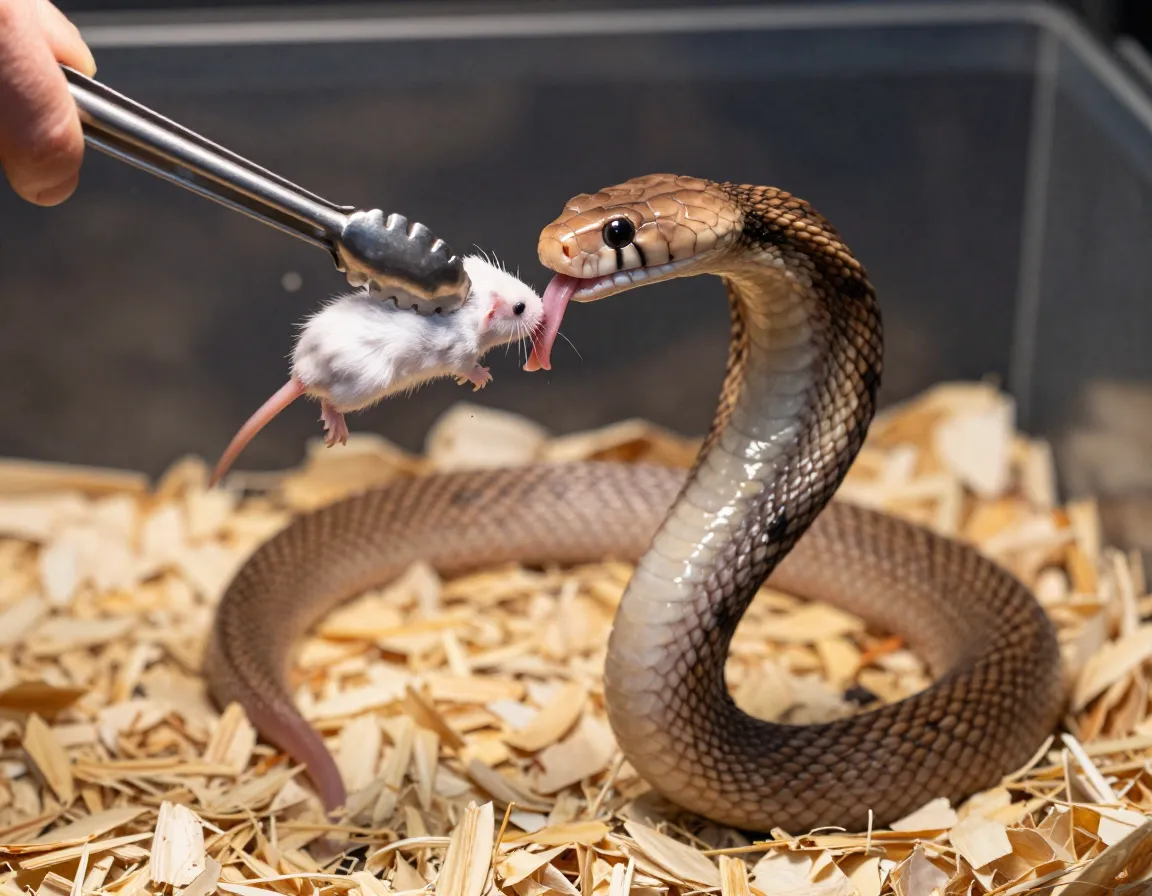
The final point among 7 Reasons the Eastern Milk Snake is an Underrated Pet for Beginners focuses on their outstanding feeding characteristics. Eastern milk snakes are enthusiastic eaters with simple dietary requirements, eliminating one of the biggest concerns for new snake owners.
Reliable Feeding Response
Unlike ball pythons notorious for feeding strikes, Eastern milk snakes maintain consistent appetites:
Eager Feeders: Rarely refuse meals when offered appropriately
Quick Strike Response: Fast, confident feeding behavior
Seasonal Consistency: Maintain appetite year-round in captivity
Stress Tolerance: Continue eating despite minor environmental changes
Simple Prey Requirements
Eastern milk snakes thrive on a basic diet of frozen-thawed rodents:
Primary Food: Frozen-thawed mice (appropriate size)
Feeding Frequency: Every 10-14 days for adults
Prey Size: Mouse should be slightly larger than snake’s thickest part
No Variety Needed: Single prey type meets all nutritional requirements
Age-Appropriate Feeding Schedule
| Snake Age | Prey Size | Frequency | Notes |
|---|---|---|---|
| Hatchling | Pinkie mice | Every 5-7 days | May need pre-killed |
| Juvenile | Fuzzie/hopper mice | Every 7-10 days | Growing rapidly |
| Adult | Adult mice | Every 10-14 days | Maintain weight |
| Breeding Adults | Adult mice | Every 7-10 days | Higher energy needs |
Feeding Safety and Techniques
Eastern milk snakes demonstrate excellent feeding safety:
Low Bite Risk: Accurate strikes rarely miss intended prey
Quick Consumption: Eat efficiently without prolonged handling of food
Easy Monitoring: Clear feeding response makes success obvious
Minimal Equipment: Simple feeding tongs are sufficient tools
Cost-Effective Nutrition
Feeding costs remain budget-friendly:
- Monthly Food Cost: $8-12 for adult snake
- Bulk Purchasing: Frozen mice store well for months
- No Supplements: Complete nutrition from whole prey
- Minimal Waste: Consistent appetite prevents spoiled food
Troubleshooting Feeding Issues
The rare feeding problems are easily resolved:
Seasonal Slowdowns: Brief appetite reduction during winter months
Shed Cycles: May refuse food 3-5 days before shedding
New Environment: Brief adjustment period in new homes
Size Issues: Simply adjust prey size up or down as needed
Most feeding “problems” resolve themselves within 1-2 feeding cycles, unlike other species that may refuse food for months without clear reasons.
Getting Started: Essential Steps for New Eastern Milk Snake Owners
Understanding why Eastern milk snakes make excellent beginner pets is just the first step. Successful ownership requires proper preparation and commitment to providing appropriate care throughout the snake’s 15-20 year lifespan.
Pre-Purchase Preparation Checklist
Before bringing home an Eastern milk snake, complete these essential preparations:
✅ Research local exotic veterinarians who treat reptiles
✅ Set up complete enclosure and test all equipment
✅ Purchase initial food supply (frozen mice appropriate size)
✅ Prepare quarantine area separate from other pets
✅ Review local laws regarding snake ownership
✅ Plan long-term care including vacation arrangements
Selecting a Healthy Individual
Choose a reputable source and look for these health indicators:
Physical Signs:
- Clear, bright eyes (except during shed cycle)
- Clean mouth without excess mucus
- Smooth, intact scales
- Appropriate body weight (not too thin or obese)
- Alert, responsive behavior
Behavioral Indicators:
- Curious exploration of environment
- Appropriate defensive responses when handled
- Normal tongue-flicking behavior
- Regular movement patterns
Initial Acclimation Period
New Eastern milk snakes need time to adjust to their environment:
First Week: Minimal handling, allow settling in
Feeding Schedule: Offer first meal after 5-7 days
Monitoring: Watch for normal behaviors and appetite
Gradual Introduction: Begin gentle handling after successful feeding
Building a Relationship
Eastern milk snakes can recognize their owners and respond to routine:
- Consistent Handling: Regular, gentle sessions build trust
- Predictable Schedule: Routine feeding and maintenance
- Respect Boundaries: Learn to read snake’s body language
- Patience: Allow relationship to develop naturally over months
Common Myths and Misconceptions About Eastern Milk Snakes
Several persistent myths prevent people from considering Eastern milk snakes as pets. Addressing these misconceptions helps potential owners make informed decisions based on facts rather than folklore.
Myth 1: “Milk Snakes Are Aggressive”
Reality: Eastern milk snakes are among the most docile snake species. This myth likely stems from confusion with other kingsnake species or misidentification of defensive behaviors as aggression.
Myth 2: “They’re Hard to Find”
Reality: While less common than ball pythons, Eastern milk snakes are increasingly available through reptile retailers, breeders, and rescue organizations.
Myth 3: “Milk Snakes Require Complex Care”
Reality: Their care requirements are actually simpler than many popular beginner species, requiring no special lighting or complex environmental controls.
Myth 4: “They Don’t Live Very Long”
Reality: Eastern milk snakes typically live 15-20 years in captivity with proper care, comparable to other popular pet snakes.
Myth 5: “Venomous Lookalikes Are Dangerous”
Reality: While Eastern milk snakes resemble coral snakes, they inhabit different geographic ranges, and the simple rhyme “red touches black, friend of Jack” easily distinguishes them.
Conclusion: Why Eastern Milk Snakes Deserve Serious Consideration
The 7 Reasons the Eastern Milk Snake is an Underrated Pet for Beginners clearly demonstrate why these remarkable serpents deserve serious consideration from anyone entering the reptile hobby. Their combination of hardy nature, docile temperament, simple care requirements, affordability, natural beauty, manageable size, and excellent feeding response creates an ideal package for new snake owners.
Eastern milk snakes offer everything beginners want in a first snake: forgiveness during the learning process, safety during handling, and beauty that never gets old. Their underrated status means new owners can enjoy a unique pet that stands out from the crowd while benefiting from proven beginner-friendly characteristics.
Take Action: Your Next Steps
If Eastern milk snakes sound like the perfect fit for your lifestyle, take these concrete steps:
- Research local reptile stores and upcoming reptile expos in your area
- Connect with Eastern milk snake breeders through online reptile communities
- Visit reptile rescue organizations that may have milk snakes available
- Join online forums dedicated to milk snake care and husbandry
- Prepare your setup before purchasing to ensure a smooth transition
The reptile hobby offers incredible rewards for those willing to provide proper care and commitment. Eastern milk snakes represent an excellent entry point into this fascinating world, combining beauty, personality, and manageable care requirements in one outstanding package.
Don’t let their underrated status fool you – Eastern milk snakes might just be the perfect beginner snake you never knew you were looking for. Their growing popularity among experienced keepers speaks to their exceptional qualities as captive reptiles.
Start your research today, and discover why Eastern milk snakes are quickly becoming the hidden gem of the beginner snake world. Your future serpentine companion is waiting to show you just how rewarding reptile keeping can be.