7 Must-Know Facts About the Ball Python Regius for New Owners
Picture this: a docile, beautiful serpent that curls into a perfect ball when startled, requiring minimal space while offering decades of companionship. The ball python (Python regius) has captured the hearts of reptile enthusiasts worldwide, becoming one of the most popular pet snakes in 2026. However, success with these remarkable creatures depends entirely on understanding their unique needs and behaviors before bringing one home.
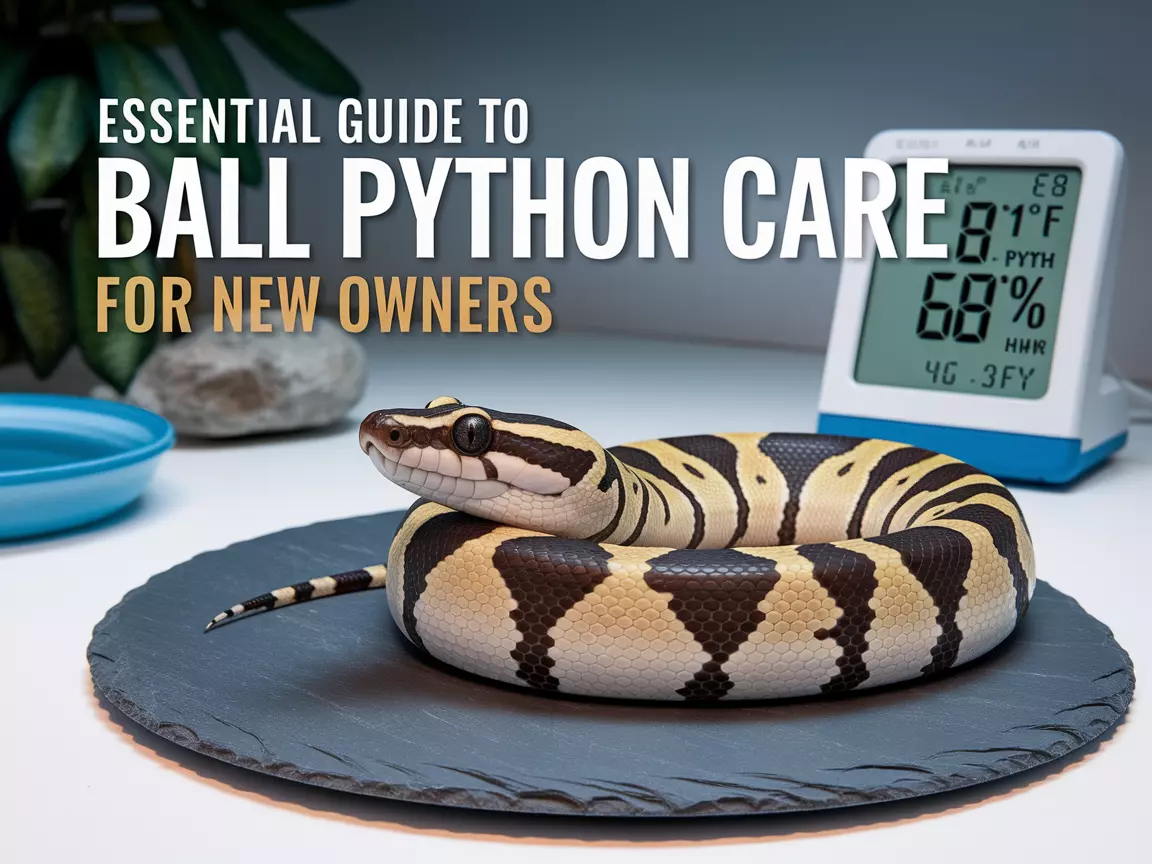
For prospective snake owners, the 7 Must-Know Facts About the Ball Python Regius for New Owners represent the difference between a thriving pet and costly mistakes. These West African natives possess specific requirements that, when met properly, result in healthy, long-lived companions that can grace households for 20-30 years or more.
Key Takeaways
- Ball pythons require precise temperature and humidity control – maintaining 88-92°F on the warm side and 60-80% humidity is crucial for proper digestion and shedding
- These snakes are notorious for feeding strikes – understanding their natural fasting behaviors and stress triggers prevents unnecessary panic for new owners
- Proper housing setup is non-negotiable – adequate hiding spots, appropriate substrate, and secure enclosures directly impact the snake’s health and behavior
- Ball pythons live 20-30+ years – this represents a significant long-term commitment requiring consistent care, veterinary expenses, and housing arrangements
- Handling techniques and reading body language – knowing when and how to interact safely protects both owner and snake from stress or injury
Understanding Ball Python Origins and Natural Behavior
1. Ball Pythons Are West African Natives With Specific Environmental Needs
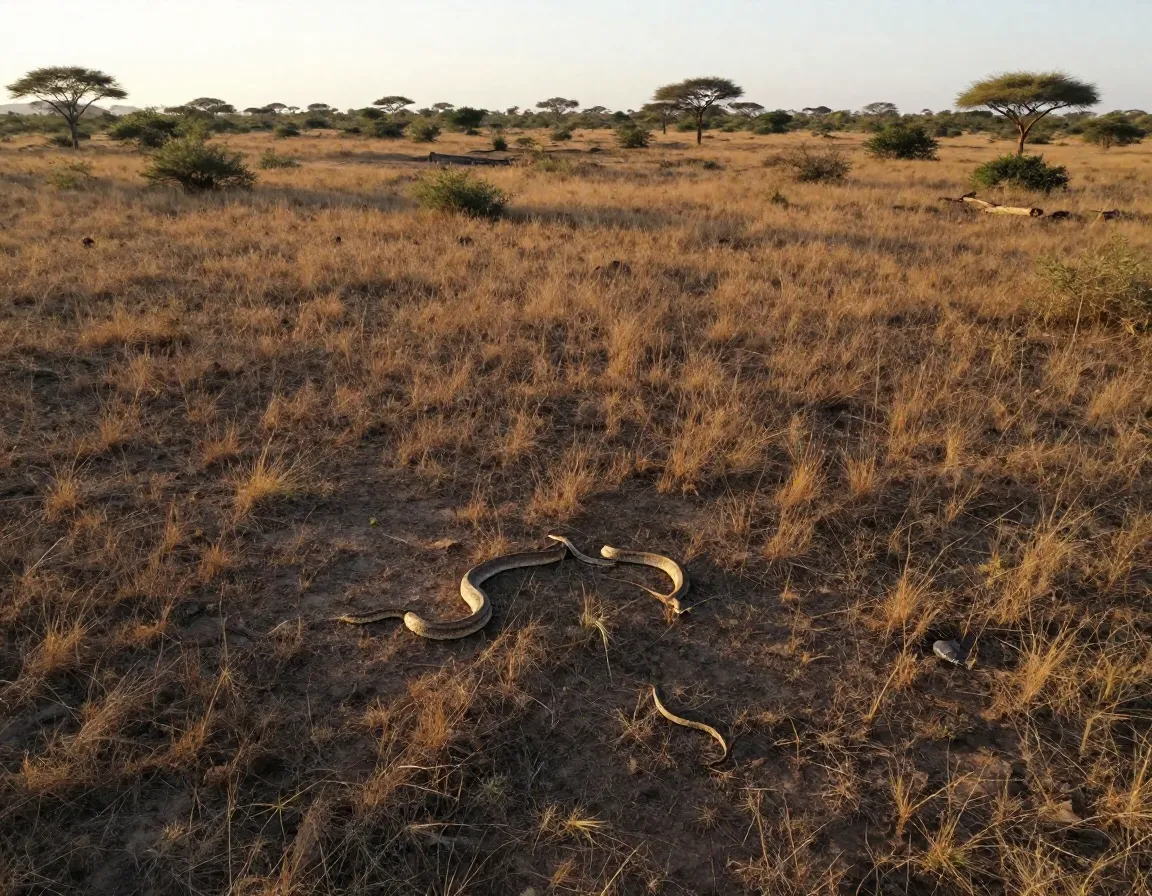
Ball pythons originate from the grasslands, savannas, and sparse woodlands of West and Central Africa, spanning countries like Ghana, Benin, and Nigeria. This geographic origin profoundly influences their captive care requirements and explains many behaviors that puzzle new owners.
In their natural habitat, ball pythons experience:
- Distinct wet and dry seasons affecting humidity levels
- Temperature fluctuations between day and night
- Underground burrows providing security and climate control
- Seasonal food availability leading to natural fasting periods
Understanding these natural conditions helps explain why captive ball pythons require specific temperature gradients, humidity levels, and hiding opportunities. The 7 Must-Know Facts About the Ball Python Regius for New Owners begin with recognizing that successful husbandry mimics these African conditions as closely as possible.
“Ball pythons haven’t evolved to live in glass boxes with constant lighting and temperature. Success comes from recreating the security and environmental gradients they’d experience in termite mounds and underground burrows.” – Dr. Sarah Mitchell, Exotic Veterinarian
2. The “Ball” Behavior Is a Defensive Mechanism, Not Aggression
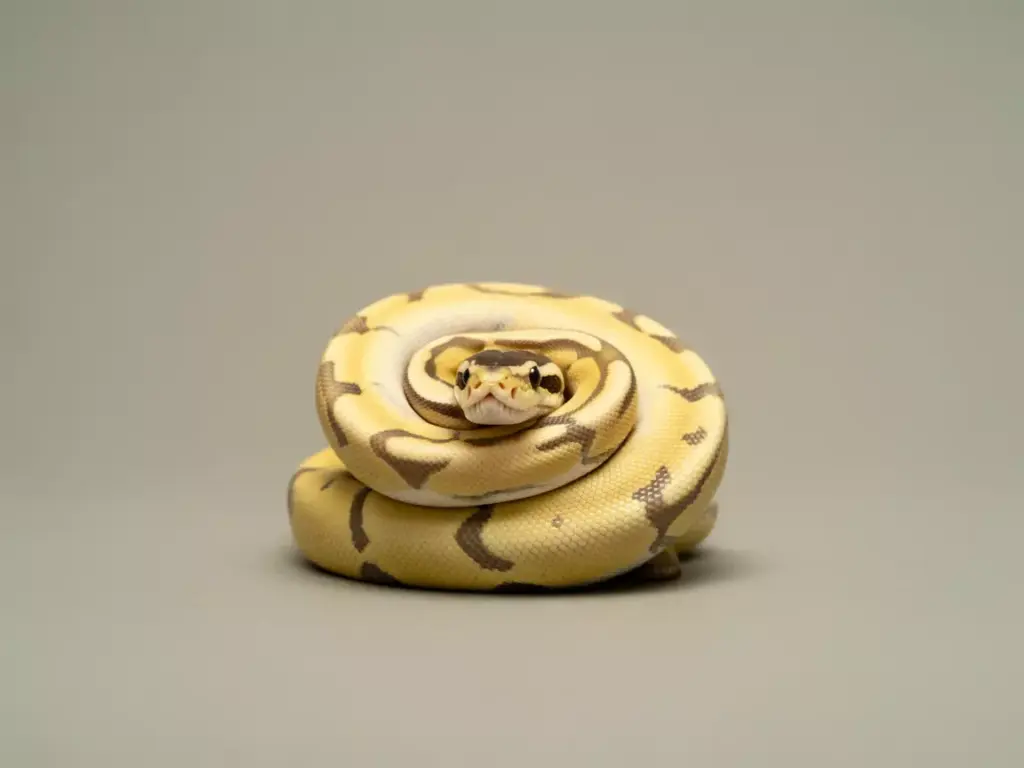
The distinctive behavior that gives ball pythons their name – curling into a tight ball with their head protected in the center – represents a defensive strategy, not aggression. New owners often misinterpret this behavior as a sign of illness or distress, when it’s actually a normal stress response.
Common triggers for balling behavior include:
- Sudden movements or loud noises
- Improper handling techniques
- Environmental stressors (wrong temperature/humidity)
- New surroundings or enclosure changes
- Presence of other animals or unfamiliar people
When a ball python exhibits this behavior, the appropriate response involves:
- Remaining calm and avoiding forced interaction
- Checking environmental conditions (temperature, humidity, hiding spots)
- Allowing the snake time to relax and uncurl naturally
- Identifying and removing the stress trigger if possible
Recognizing this natural behavior as part of the 7 Must-Know Facts About the Ball Python Regius for New Owners prevents unnecessary worry and promotes better human-snake relationships.
Essential Housing and Environmental Requirements
3. Proper Enclosure Setup Directly Impacts Health and Behavior
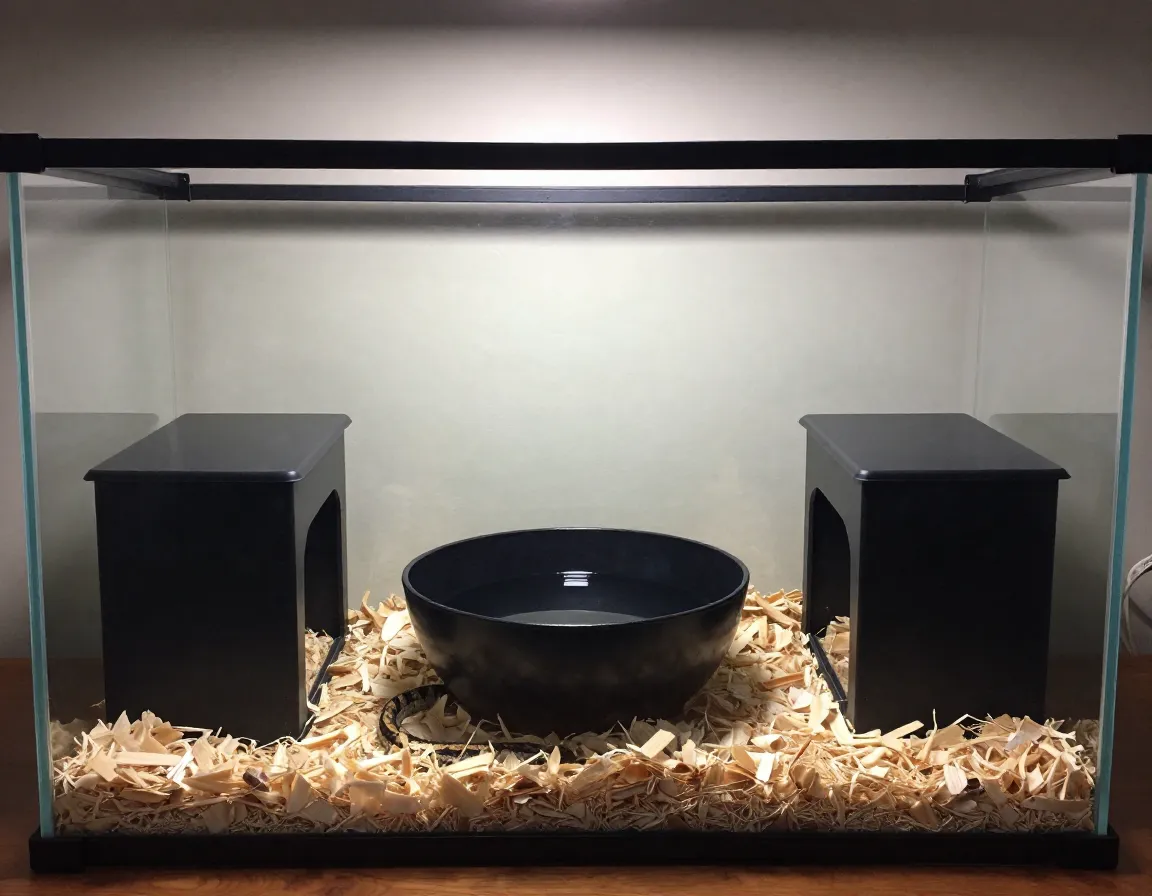
Creating an appropriate habitat represents one of the most critical aspects among the 7 Must-Know Facts About the Ball Python Regius for New Owners. Ball pythons are notoriously sensitive to environmental conditions, and improper housing leads to feeding problems, respiratory infections, and chronic stress.
Minimum enclosure requirements:
| Snake Age/Size | Minimum Enclosure Dimensions | Floor Space |
|---|---|---|
| Juvenile (under 2 feet) | 20-gallon long tank | 30″ x 12″ |
| Sub-adult (2-3 feet) | 40-gallon breeder tank | 36″ x 18″ |
| Adult (4+ feet) | 75-gallon tank or larger | 48″ x 18″ |
Essential enclosure components include:
🏠 Two hiding spots – one on the warm side, one on the cool side
🌡️ Temperature gradient – 88-92°F warm side, 78-80°F cool side
💧 Water bowl – large enough for soaking but not so large as to raise humidity excessively
🌿 Appropriate substrate – aspen shavings, cypress mulch, or paper towels
🔒 Secure lid – ball pythons are escape artists despite their docile nature
4. Temperature and Humidity Control Requires Precision, Not Guesswork
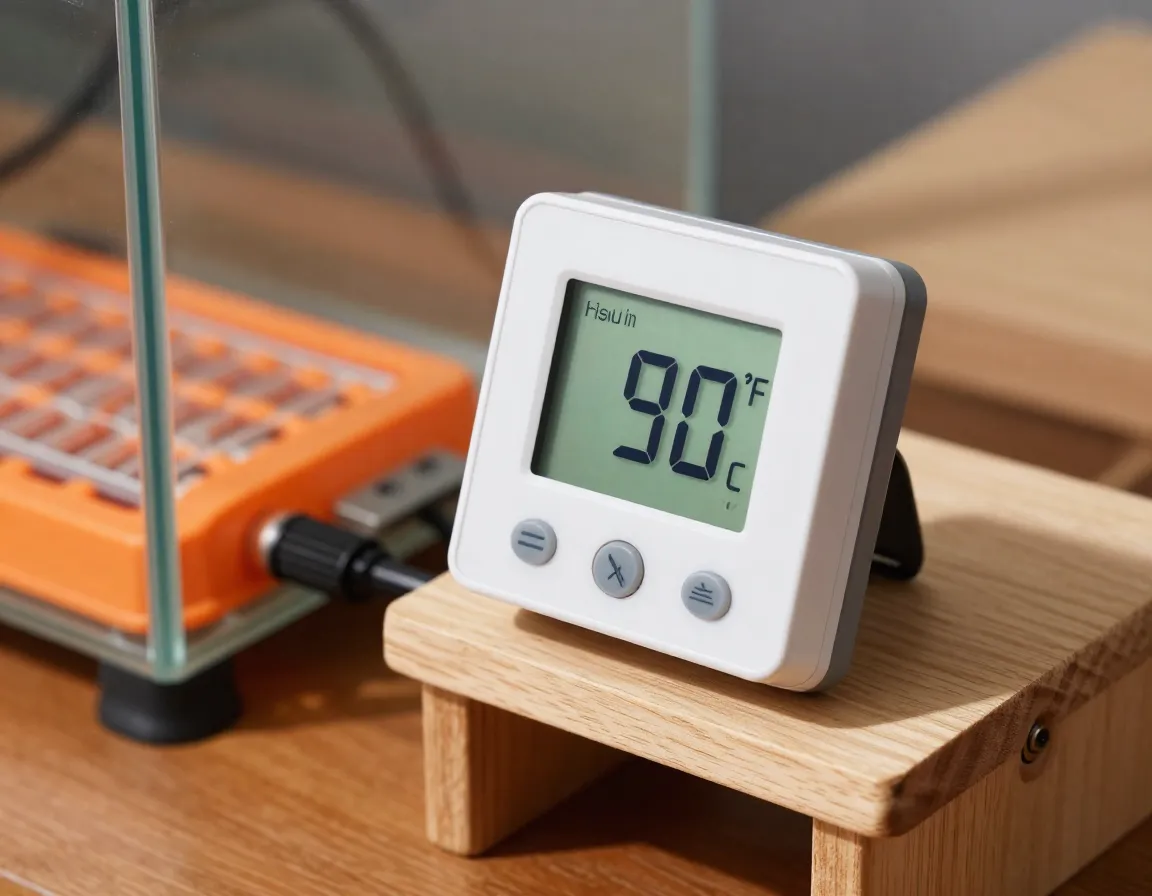
Among the 7 Must-Know Facts About the Ball Python Regius for New Owners, understanding that ball pythons are ectothermic (cold-blooded) creatures requiring external heat sources ranks as absolutely critical. Improper temperatures lead to digestive problems, respiratory infections, and feeding refusal.
Temperature requirements:
- Warm side: 88-92°F (31-33°C)
- Cool side: 78-80°F (26-27°C)
- Nighttime drop: 75-78°F (24-26°C) acceptable
- Basking spot: Not required (unlike many other reptiles)
Humidity requirements:
- General range: 60-80%
- Shedding periods: 80-85%
- Monitoring: Digital hygrometer essential
- Adjustment methods: Water bowl size, substrate moisture, ventilation control
Heating equipment options:
✅ Under-tank heaters (UTH) – preferred primary heat source
✅ Ceramic heat emitters – supplemental heating without light
✅ Radiant heat panels – efficient for larger enclosures
❌ Heat rocks – avoid due to burn risk
❌ Overhead basking bulbs – unnecessary and can cause stress
Critical equipment for monitoring:
- Digital thermometer with probe
- Digital hygrometer
- Thermostat to control heating elements
- Infrared temperature gun for spot-checking
Proper environmental control prevents the majority of health issues new ball python owners encounter, making this knowledge invaluable among the 7 Must-Know Facts About the Ball Python Regius for New Owners.
Feeding Behavior and Nutritional Needs
5. Ball Pythons Are Notorious for Feeding Strikes and Fasting Periods
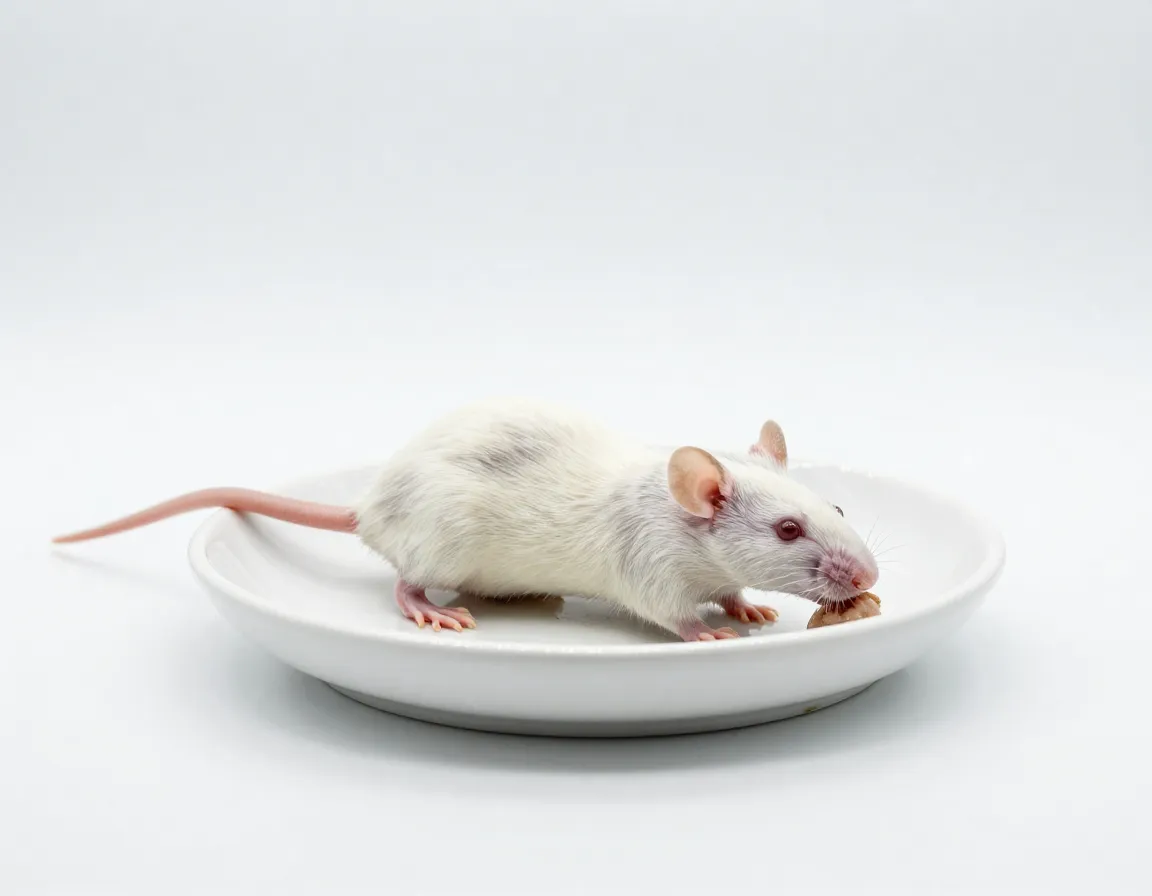
Perhaps no aspect of ball python ownership causes more anxiety for new keepers than feeding behavior. Understanding that extended fasting periods are completely normal for healthy ball pythons ranks among the most important 7 Must-Know Facts About the Ball Python Regius for New Owners.
Normal feeding patterns:
- Juveniles: Every 5-7 days
- Sub-adults: Every 7-10 days
- Adults: Every 10-14 days
- Breeding females: May fast 4-6 months during breeding season
- Winter months: Many ball pythons naturally reduce feeding
Common reasons for feeding refusal:
🌡️ Environmental issues (temperature, humidity, security)
🔄 Seasonal changes (natural winter slowdown)
😰 Stress factors (new environment, excessive handling)
🐍 Shedding cycle (snakes often refuse food before shedding)
🏠 Inadequate hiding spots or security
👥 Overhandling or disturbance
Feeding best practices:
- Use frozen-thawed rodents – safer than live prey
- Feed appropriate sizes – prey should be 10-15% of snake’s body weight
- Maintain feeding schedule – consistency reduces stress
- Provide privacy – cover enclosure during feeding
- Don’t panic during fasts – healthy adult ball pythons can safely fast 6+ months
“I’ve seen ball pythons fast for eight months and maintain perfect body condition. New owners need to understand this isn’t a crisis – it’s normal behavior. Focus on proper husbandry, not forcing food.” – Mark Rodriguez, Professional Ball Python Breeder
6. Proper Prey Size and Feeding Techniques Prevent Health Issues
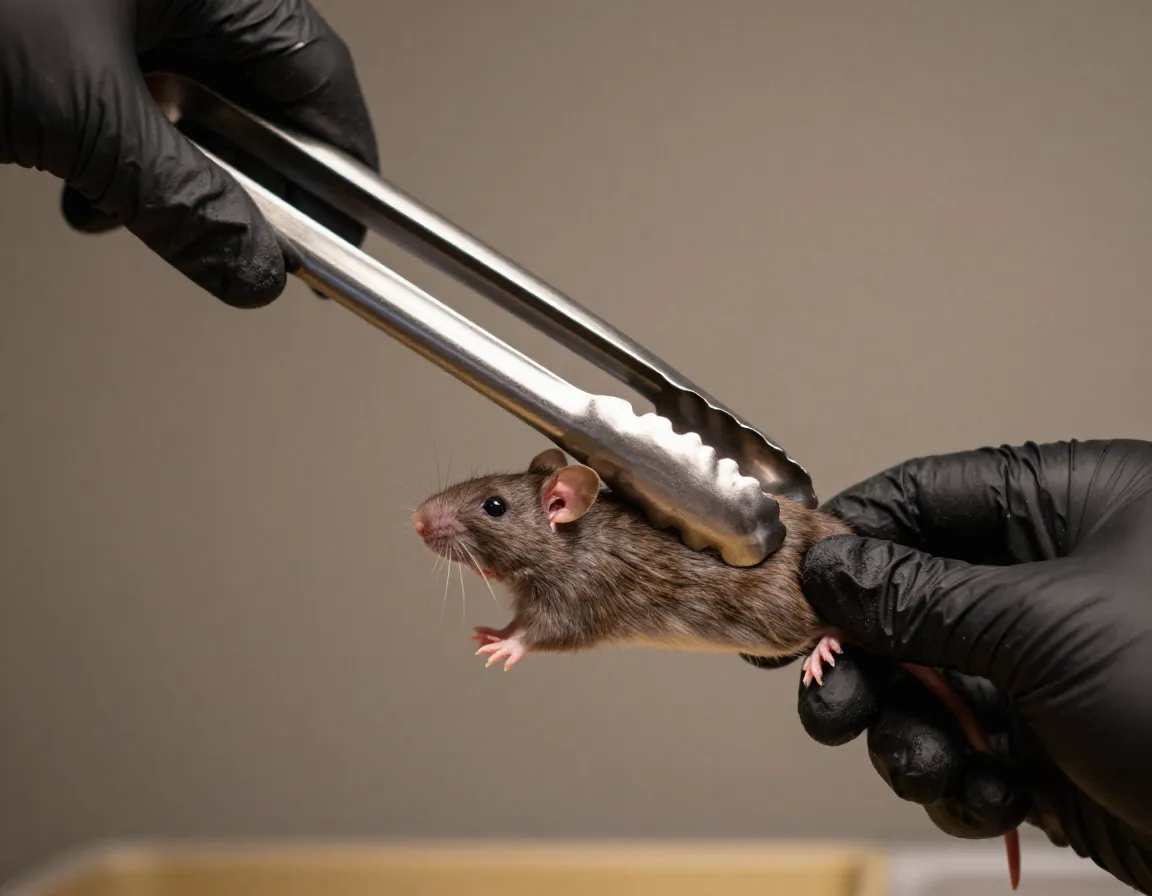
Selecting appropriate prey sizes and using proper feeding techniques represents crucial knowledge among the 7 Must-Know Facts About the Ball Python Regius for New Owners. Incorrect feeding practices lead to regurgitation, obesity, or injury.
Prey sizing guidelines:
| Snake Weight | Appropriate Prey | Prey Weight Range |
|---|---|---|
| 100-200g | Adult mice | 20-30g |
| 200-400g | Adult mice to small rats | 30-50g |
| 400-800g | Small to medium rats | 50-100g |
| 800g+ | Medium to large rats | 100-200g+ |
Feeding safety protocols:
🥶 Thaw prey completely – use warm water, never microwave
🔥 Warm to body temperature – 98-100°F feels natural
🥄 Use feeding tongs – prevents accidental bites
⏰ Feed during evening hours – matches natural hunting time
🚫 Avoid handling 48 hours post-feeding – prevents regurgitation
Signs of proper feeding:
- Visible bulge that disappears within 3-5 days
- Regular defecation 5-7 days post-feeding
- Steady, gradual weight gain in juveniles
- Maintained body condition in adults
Health Monitoring and Long-term Care
7. Recognizing Health Issues and Establishing Veterinary Care
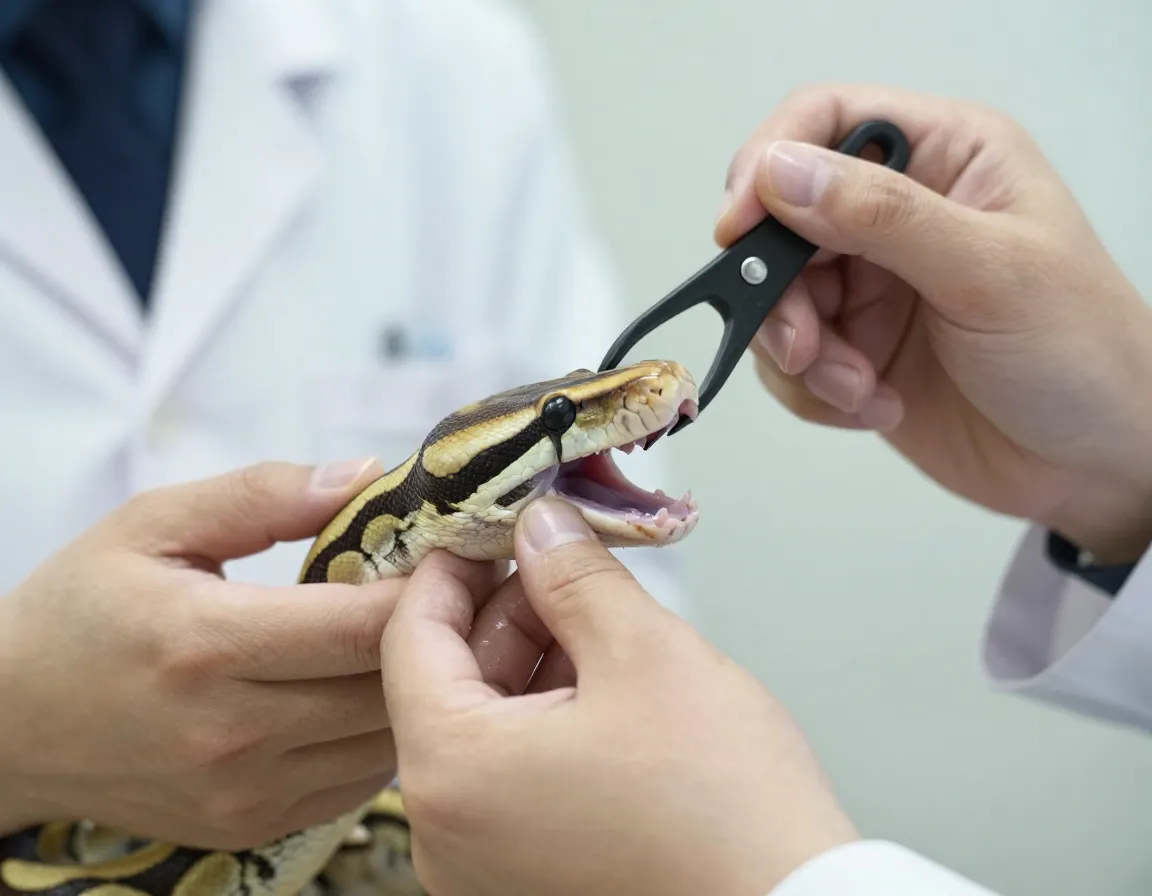
The final point among the 7 Must-Know Facts About the Ball Python Regius for New Owners involves understanding that ball pythons, like all pets, require ongoing health monitoring and access to qualified veterinary care. Many health issues are preventable through proper husbandry, but early recognition of problems saves lives.
Common health concerns:
🫁 Respiratory infections – mouth breathing, wheezing, excess mucus
🐍 Stuck shed – retained skin, especially around eyes and tail tip
🦠 Mites – tiny moving dots, excessive soaking behavior
🤢 Regurgitation – undigested food expelled days after feeding
🔥 Burns – from improper heating equipment or lack of thermostat control
Signs of a healthy ball python:
- Clear, bright eyes (except during shedding)
- Regular shedding in complete pieces
- Alert, responsive behavior
- Steady body weight
- Regular feeding and defecation patterns
- Clean mouth and nostrils
Establishing veterinary care:
✅ Find an exotic veterinarian before purchasing your snake
✅ Schedule initial health check within first month of ownership
✅ Annual wellness exams for adult snakes
✅ Fecal parasite testing – especially for wild-caught specimens
✅ Emergency contact information – know who to call for urgent issues
Preventive care measures:
- Quarantine new snakes for 90 days minimum
- Maintain detailed feeding and shedding records
- Regular weight monitoring (monthly for adults)
- Proper hygiene when handling multiple snakes
- Environmental monitoring and record-keeping
When to seek immediate veterinary attention:
- Difficulty breathing or mouth breathing
- Regurgitation of food
- Visible mites or external parasites
- Burns or injuries
- Prolonged inability to shed properly
- Sudden behavioral changes or lethargy
The commitment to proper veterinary care extends throughout the ball python’s 20-30+ year lifespan, making this knowledge essential among the 7 Must-Know Facts About the Ball Python Regius for New Owners.
Making an Informed Decision About Ball Python Ownership
Long-term Commitment Considerations
Before acquiring a ball python, prospective owners must honestly evaluate their ability to provide consistent care for potentially three decades. This commitment includes:
Financial responsibilities:
- Initial setup costs: $300-600
- Monthly feeding costs: $10-20
- Annual veterinary expenses: $100-300
- Electricity for heating: $15-30 monthly
- Replacement equipment and upgrades
Time commitments:
- Daily environmental monitoring
- Weekly feeding and cleaning
- Monthly deep cleaning and maintenance
- Ongoing education about reptile care
- Emergency availability for health issues
Lifestyle considerations:
- Travel arrangements and pet-sitting
- Housing stability (moving with reptiles)
- Family member allergies or phobias
- Local laws and housing restrictions
- Long-term interest in reptile keeping
Choosing Your Ball Python
Reputable sources include:
- Established breeders with health guarantees
- Reptile expos with verified vendors
- Specialty reptile stores with good reputations
- Rescue organizations (for experienced keepers)
Avoid purchasing from:
- Pet stores with poor husbandry conditions
- Online sellers without references
- Wild-caught specimens (stress, parasites, legal issues)
- Impulse purchases without proper preparation
Conclusion
The 7 Must-Know Facts About the Ball Python Regius for New Owners provide the foundation for successful snake keeping, but they represent just the beginning of a lifelong learning journey. These remarkable serpents offer unique companionship opportunities for dedicated keepers willing to meet their specific needs.
Success with ball pythons requires commitment to proper environmental conditions, understanding of natural behaviors, patience with feeding quirks, and ongoing attention to health monitoring. When these requirements are met consistently, ball pythons thrive as low-maintenance, fascinating pets that can provide decades of enjoyment.
Immediate next steps for prospective ball python owners:
- Research local exotic veterinarians and establish contact before purchasing
- Set up the complete enclosure with proper heating, hiding, and monitoring equipment
- Connect with experienced keepers through online forums or local herpetological societies
- Budget for long-term expenses including emergency veterinary care
- Choose a reputable breeder and ask detailed questions about the snake’s history and care
The decision to keep a ball python should never be made impulsively. These animals deserve owners who understand their needs, respect their behaviors, and commit to providing excellent care throughout their remarkably long lives. Armed with knowledge of these 7 Must-Know Facts About the Ball Python Regius for New Owners, prospective keepers can make informed decisions and provide the high-quality care these beautiful serpents deserve.
Remember: successful ball python ownership isn’t about having the most expensive equipment or the rarest morph – it’s about consistency, attention to detail, and genuine commitment to meeting these animals’ biological and psychological needs. When done properly, keeping ball pythons becomes a rewarding hobby that can last for decades.