7 Honest Truths About Teacup Pigs Full Grown Size & Care
The adorable videos of tiny piglets fitting in teacups have captured millions of hearts across social media, but the reality behind teacup pigs tells a dramatically different story. These 7 honest truths about teacup pigs full grown size & care will reveal what potential owners truly need to know before making this life-changing decision. 🐷

The pet industry’s marketing of “micro pigs” and “teacup pigs” has created widespread misconceptions that lead to heartbreak for both families and animals. Understanding the real facts about these intelligent creatures can save future pig parents from costly mistakes and ensure these remarkable animals receive the proper care they deserve.
Key Takeaways
- Teacup pigs don’t stay small – most reach 100-200 pounds when fully grown, despite marketing claims
- Specialized care requirements include proper veterinary attention, specific nutrition, and adequate living space
- Legal restrictions in many areas prohibit keeping pigs as pets, even in residential neighborhoods
- Long-term commitment spans 12-20 years with significant daily care responsibilities
- Financial investment often exceeds $15,000-25,000 over the pig’s lifetime for proper care
Understanding the Teacup Pig Marketing Myth
The term “teacup pig” represents one of the pet industry’s most misleading marketing campaigns. Potbellied pigs, Juliana pigs, and other miniature breeds marketed as teacup varieties are simply young animals or selectively bred smaller pigs that will still grow significantly larger than advertised.
Unethical breeders often show prospective buyers very young piglets (6-12 weeks old) or deliberately underfeed breeding stock to maintain smaller sizes. This deceptive practice has led to thousands of pigs being surrendered to sanctuaries when they reach their natural adult size.
The Reality Behind “Micro” Pig Breeding
Legitimate miniature pig breeds do exist, but even the smallest varieties rarely stay under 50 pounds. Vietnamese Potbellied pigs, the most common “teacup” variety, typically weigh between 100-200 pounds when fully grown. The smallest documented adult mini pigs still weigh 35-65 pounds – far from fitting in anyone’s teacup.
1. Full Grown Teacup Pigs Are Much Larger Than Advertised
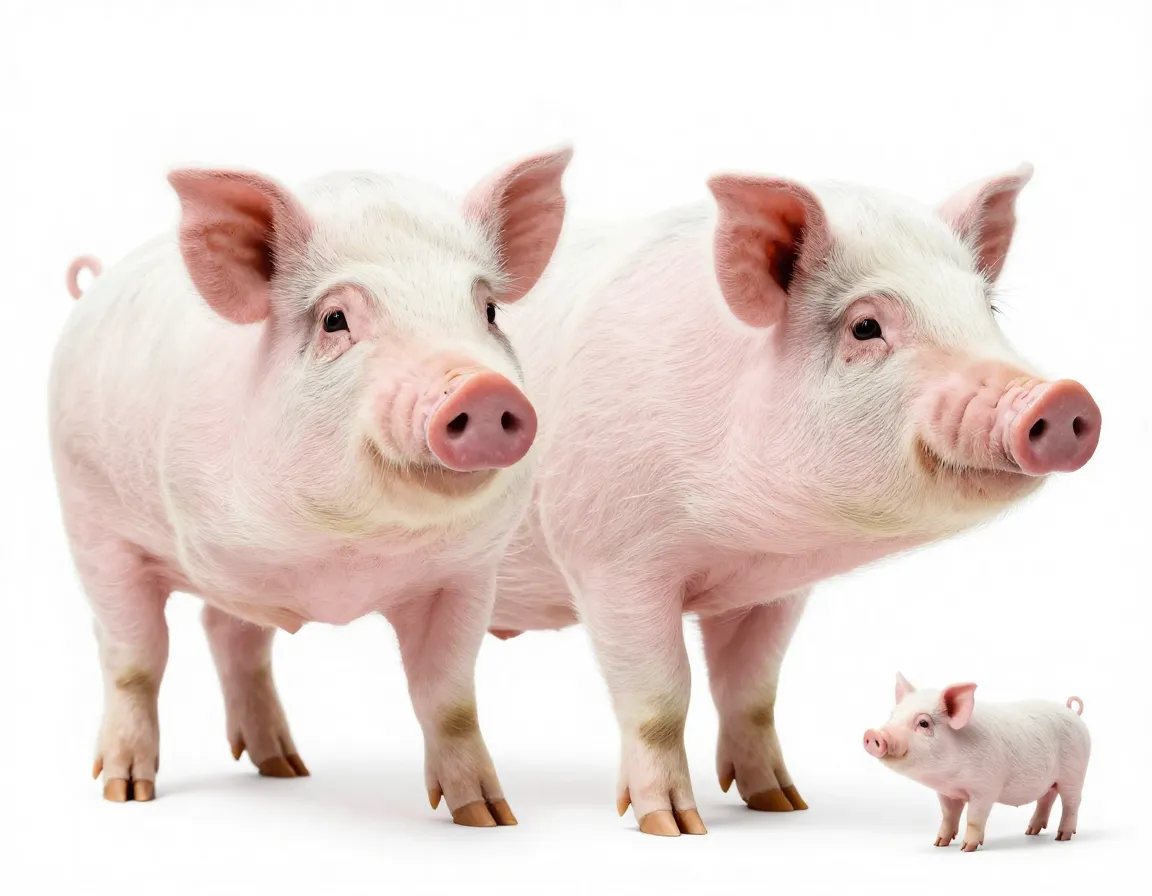
The first and most crucial truth about teacup pigs full grown size involves understanding realistic weight expectations. Despite marketing claims of 10-30 pound adult pigs, the reality proves dramatically different.
Actual Adult Sizes by Breed:
| Pig Breed | Advertised Weight | Actual Adult Weight | Adult Height |
|---|---|---|---|
| Vietnamese Potbellied | 15-40 lbs | 100-200 lbs | 14-20 inches |
| Juliana Pig | 20-50 lbs | 80-140 lbs | 12-16 inches |
| KuneKune | 30-60 lbs | 140-220 lbs | 16-24 inches |
| American Mini Pig | 25-45 lbs | 90-150 lbs | 14-18 inches |
Most pigs continue growing until age 3-5 years, meaning that adorable 20-pound yearling will likely triple in size. This growth pattern catches many families completely unprepared, leading to housing crises and care challenges.
Growth Timeline Reality Check
Year 1: 20-60 pounds (still manageable for most families)
Year 2: 60-120 pounds (requiring significant lifestyle adjustments)
Year 3-5: 100-200+ pounds (full adult size reached)
The dramatic size increase explains why pig sanctuaries report receiving 90% of surrendered pigs between ages 2-4 years, when families realize their “teacup” pig has become a substantial animal requiring specialized care.
2. Housing Requirements Exceed Most Family Capabilities

Proper housing for full-grown teacup pigs demands far more space and specialized accommodations than typical pet preparations. These intelligent animals require both indoor and outdoor access, with specific environmental needs that challenge most residential settings.
Indoor Space Requirements
Adult mini pigs need minimum 200-300 square feet of dedicated indoor space, not including shared family areas. This space must include:
- Sleeping area with proper bedding and temperature control
- Feeding station separated from living areas
- Litter area with specialized pig-safe materials
- Play space for mental stimulation and exercise
Standard pet gates won’t contain determined adult pigs, requiring custom barriers and pig-proofed environments. These animals can open cabinets, manipulate door handles, and destructively root through inappropriate materials.
Outdoor Space Essentials
Minimum outdoor requirements include 1/4 to 1/2 acre of securely fenced space with:
- 6-foot privacy fencing (pigs can jump and climb surprisingly well)
- Rooting areas with appropriate soil and vegetation
- Shade structures for temperature regulation
- Mud wallows for natural cooling and skin care
- Shelter from weather extremes
“Most families envision a small indoor pet, but adult mini pigs need farm-like accommodations to thrive physically and mentally.” – Dr. Sarah Martinez, Exotic Veterinarian
3. Nutritional Needs Require Specialized Knowledge and Expense

Feeding full-grown teacup pigs involves complex nutritional science that differs dramatically from dog or cat care. Improper nutrition leads to obesity, malnutrition, and serious health complications that plague many pet pigs.
Daily Feeding Requirements
Adult mini pigs require 2-3% of body weight daily in specialized pig feed, divided into 2-3 meals. For a 150-pound pig, this means 3-4.5 pounds of food daily, costing $150-300 monthly for quality nutrition.
Proper Diet Components:
- 70% commercial mini pig pellets (never regular pig feed)
- 20% fresh vegetables (specific safe varieties only)
- 10% healthy treats and supplements
Dangerous Food Misconceptions
Many families incorrectly assume pigs can eat table scraps or dog food, leading to severe health problems. Prohibited foods include:
- All processed human foods
- Dog or cat food (wrong nutritional balance)
- Chocolate, onions, garlic
- High-sodium or high-fat items
- Raw potatoes or potato skins
Obesity epidemic affects 95% of pet pigs due to overfeeding and inappropriate diets. Overweight pigs develop arthritis, heart problems, and shortened lifespans, requiring expensive veterinary intervention.
4. Veterinary Care Presents Unique Challenges and Costs
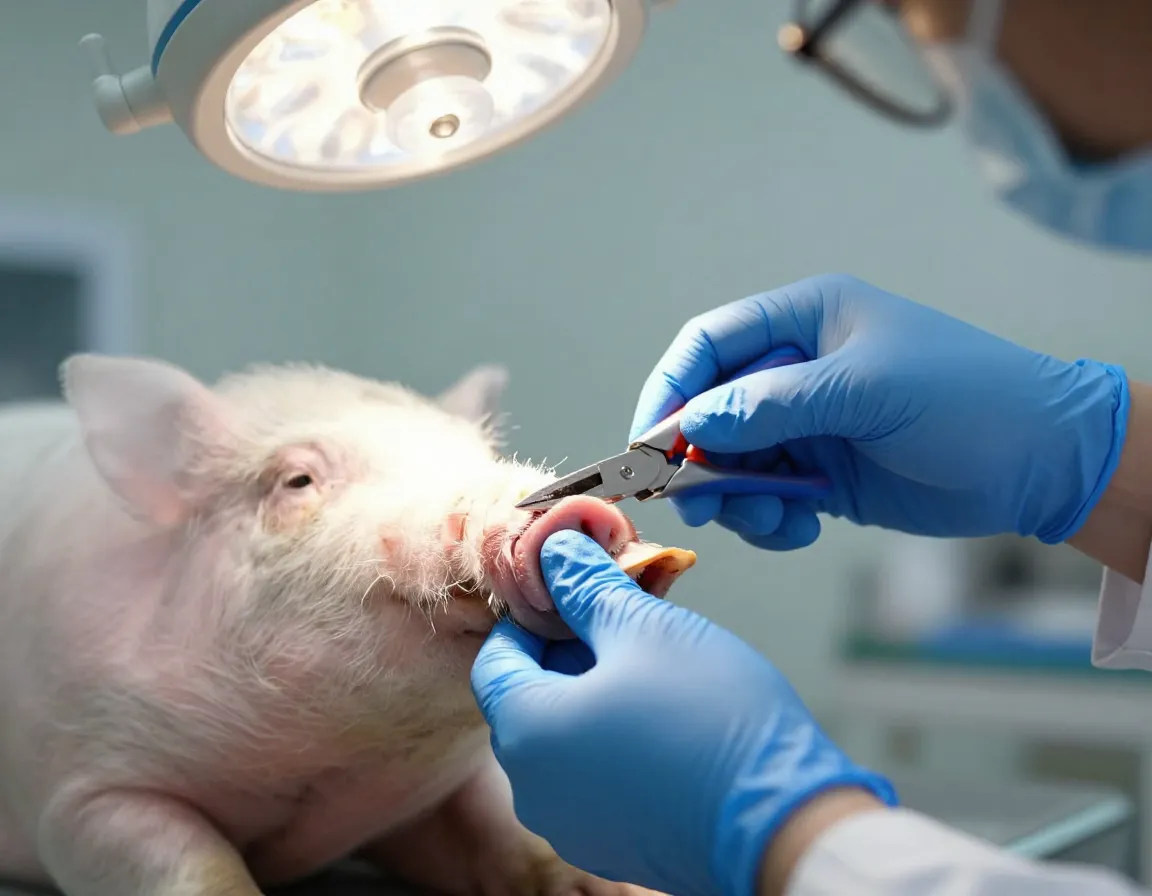
Finding qualified veterinary care for mini pigs proves difficult and expensive in most areas. These animals require specialized knowledge that most small animal veterinarians lack, creating health care accessibility issues.
Specialized Medical Needs
Mini pigs require annual health examinations including:
- Hoof trimming every 6-8 weeks ($50-100 per session)
- Tusk trimming for males every 6-12 months ($100-200)
- Spay/neuter procedures ($400-800, more complex than dogs)
- Vaccinations specific to pigs ($150-250 annually)
Emergency Care Complications
Emergency situations become critical when local veterinarians lack pig experience. Common emergency scenarios include:
- Bloat (potentially fatal digestive condition)
- Salt poisoning from inappropriate foods
- Respiratory infections (pigs are prone to pneumonia)
- Injuries from inappropriate housing or handling
Emergency pig care often requires transport to specialized facilities hours away, with costs ranging $1,000-5,000 per incident.
The Second Half of Teacup Pig Truths: Legal, Behavioral, and Commitment Realities
Understanding behavioral characteristics and legal restrictions completes the picture of responsible mini pig ownership. These factors often prove more challenging than size and care requirements for unprepared families.
5. Legal Restrictions Prohibit Pig Ownership in Most Areas
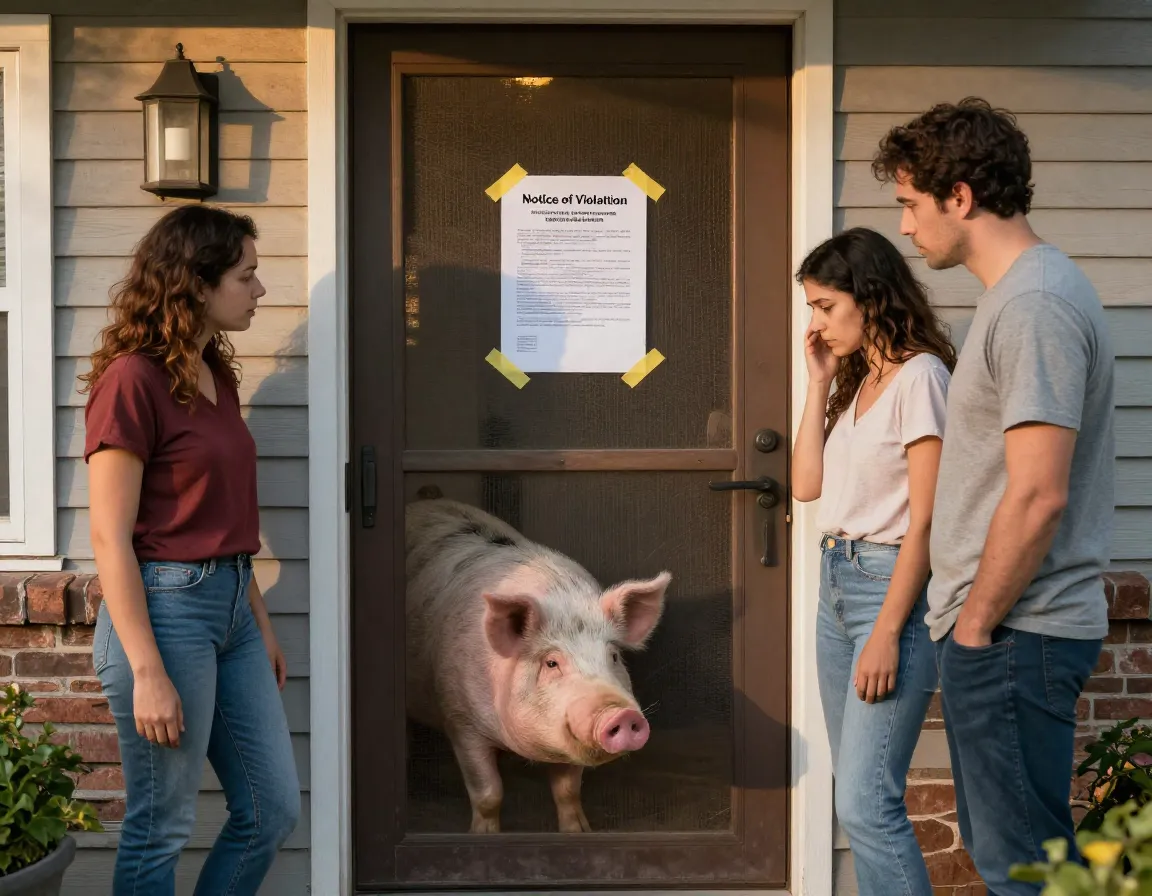
Zoning laws and HOA restrictions create the most immediate obstacle for potential pig owners. Most residential areas classify pigs as livestock, regardless of size, prohibiting them in suburban and urban settings.
Common Legal Restrictions
Municipal ordinances typically prohibit pigs in:
- Residential neighborhoods
- Areas zoned for single-family homes
- Properties under minimum acreage requirements
- Rental properties (additional landlord restrictions)
Research requirements before acquiring any pig:
- City/county zoning laws
- Homeowner association rules
- State livestock regulations
- Rental agreement restrictions
Consequences of Illegal Ownership
Families discovering legal restrictions after purchase face:
- Forced rehoming within 30-60 days
- Daily fines ranging $50-500 until compliance
- Legal proceedings and potential court costs
- Limited rehoming options due to sanctuary overcrowding
“We see families spending thousands on pigs only to discover they can’t legally keep them. Always research local laws first.” – Animal Control Officer Jennifer Walsh
6. Behavioral Challenges Require Experienced Handling
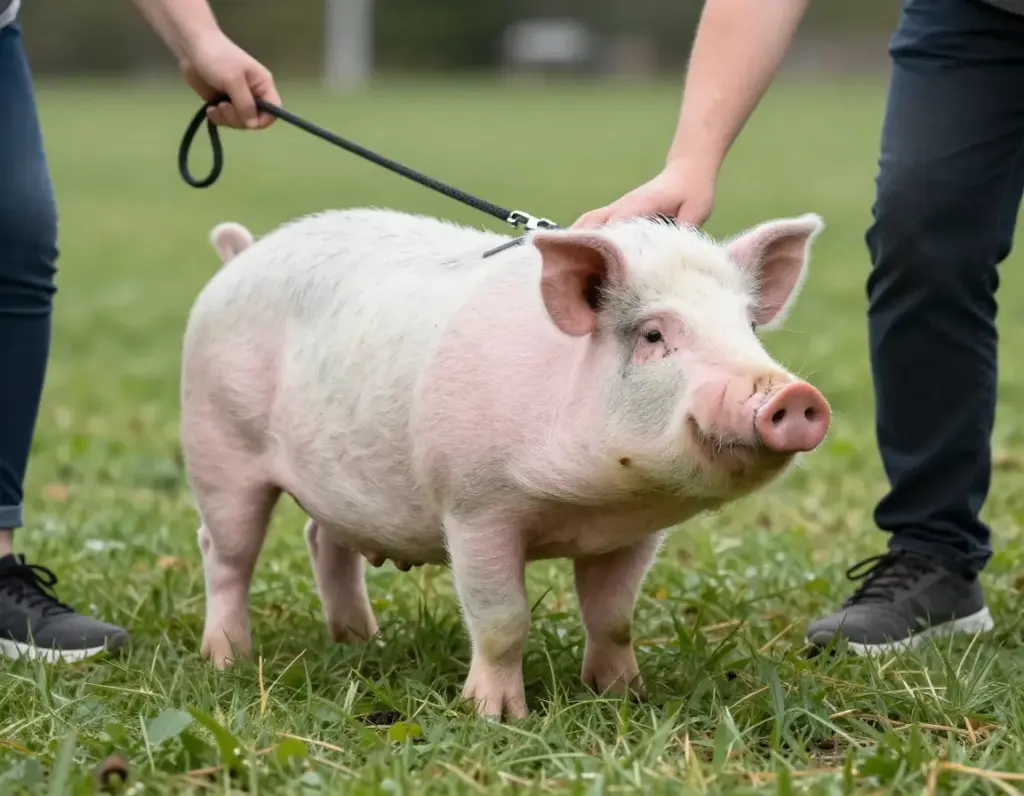
Mini pig behavior differs dramatically from dogs and cats, requiring specialized understanding and training approaches. These intelligent animals exhibit complex social needs and can become destructive or aggressive without proper management.
Natural Pig Behaviors
Rooting instincts drive pigs to dig and explore constantly, leading to:
- Destroyed lawns and landscaping
- Damaged flooring and carpets
- Overturned furniture and belongings
- Constant need for mental stimulation
Social hierarchy needs create challenges in family settings:
- Pigs may challenge family members for dominance
- Resource guarding around food and favorite spots
- Territorial behavior toward visitors or other pets
- Difficulty with handling and veterinary procedures
Training and Socialization Requirements
Daily training sessions become essential for managing adult pig behavior:
- Positive reinforcement techniques (never punishment-based)
- Consistent routine and boundary enforcement
- Environmental enrichment to prevent boredom
- Professional training assistance often necessary
Socialization windows close quickly in young pigs, making early exposure critical for developing well-adjusted adults. Missed socialization opportunities often result in fearful or aggressive adults requiring professional behavioral intervention.
7. Long-term Commitment Spans 12-20 Years with Escalating Needs
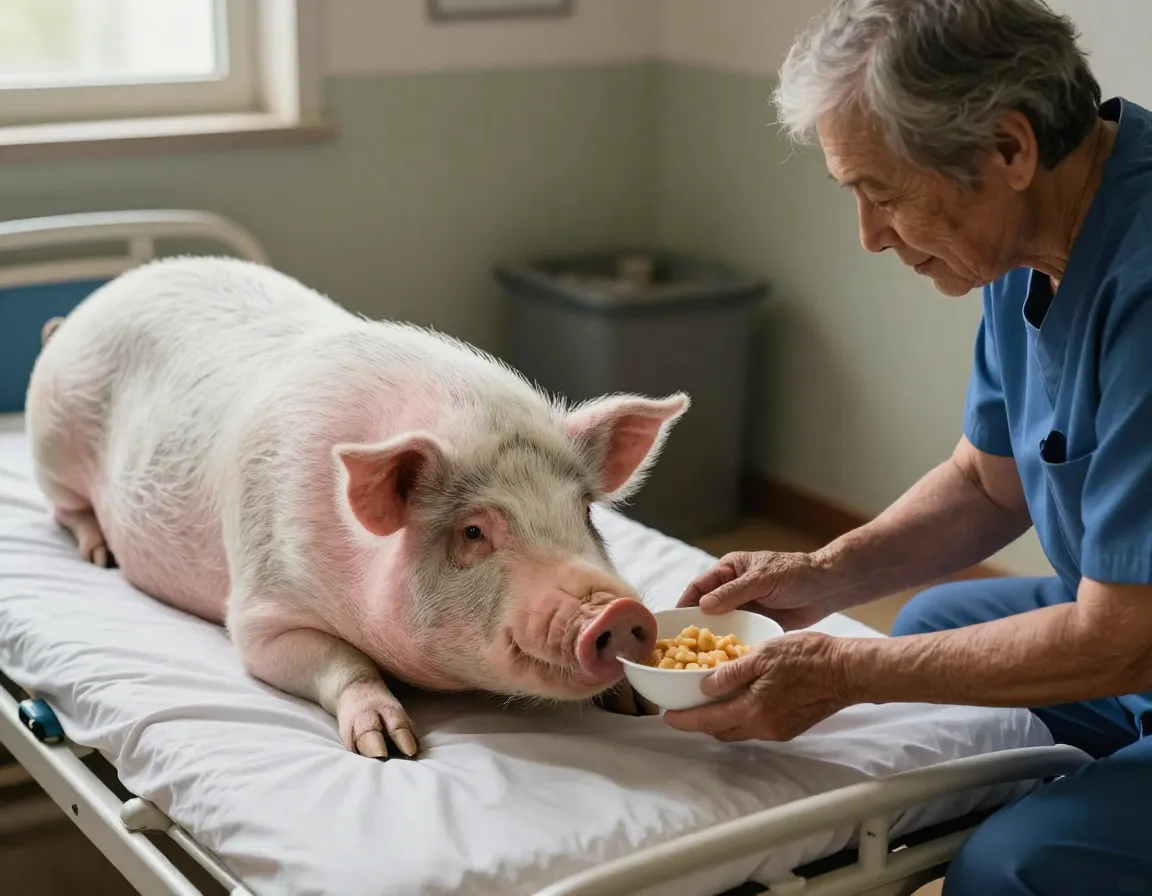
The final truth about teacup pigs full grown size & care involves understanding the extensive time commitment these animals require. Mini pig lifespans range 12-20 years, with care requirements intensifying as animals age.
Lifetime Financial Investment
Total ownership costs typically range $15,000-25,000 over a pig’s lifetime:
Initial Setup Costs:
- Purchase price: $1,000-3,000
- Housing modifications: $2,000-5,000
- Initial veterinary care: $500-1,000
Annual Ongoing Costs:
- Food and supplements: $1,800-3,600
- Veterinary care: $800-1,500
- Housing maintenance: $500-1,000
Senior Care Expenses:
- Increased veterinary needs: $2,000-4,000 annually
- Mobility assistance equipment: $500-1,500
- Specialized senior nutrition: $2,400-4,800
Life Stage Care Requirements
Young pigs (0-2 years) require intensive training, socialization, and frequent veterinary monitoring. Adult pigs (3-10 years) need consistent routine maintenance and preventive care. Senior pigs (10+ years) often develop arthritis, vision problems, and other age-related conditions requiring specialized management.
Family lifestyle impacts include:
- Vacation limitations (specialized boarding required)
- Housing restrictions (difficult to relocate with pigs)
- Time commitment (2-3 hours daily care minimum)
- Social limitations (entertaining guests becomes complicated)
Making Informed Decisions About Mini Pig Ownership
Responsible pig ownership requires honest evaluation of long-term capabilities and commitment levels. These remarkable animals deserve families prepared for the reality of their needs, not the fantasy marketed by unethical breeders.
Alternative Options for Pig Enthusiasts
Pig sanctuaries offer volunteer opportunities for those wanting pig interaction without ownership responsibilities. Educational programs and farm visits provide meaningful connections with these intelligent animals while supporting rescue efforts.
Foster programs through legitimate sanctuaries allow temporary care assistance while learning about pig behavior and needs. This experience often provides realistic perspective on ownership demands.
Conclusion
These 7 honest truths about teacup pigs full grown size & care reveal the significant gap between marketing promises and ownership realities. Full-grown teacup pigs reach 100-200 pounds, require specialized housing and veterinary care, face legal restrictions in most areas, exhibit complex behavioral needs, and represent 12-20 year commitments costing $15,000-25,000.
Prospective pig owners must honestly evaluate their ability to provide appropriate long-term care before making this life-changing decision. Research local laws, visit pig sanctuaries, and consult with experienced pig veterinarians to understand the full scope of responsible ownership.
Support legitimate pig rescues and advocate for stronger breeding regulations to address the ongoing crisis of surrendered pigs. These intelligent, emotional animals deserve better than becoming victims of misleading marketing and unprepared impulse purchases.
Next steps for those still considering pig ownership include visiting established sanctuaries, volunteering with pig rescue organizations, and spending significant time with adult pigs to understand their true nature and needs. Only through honest education can the cycle of pig abandonment be broken, ensuring these remarkable animals find appropriate forever homes.