7 Essential Care Tips for a Healthy Common Green Iguana
Imagine bringing home a magnificent green iguana, only to watch it slowly decline due to improper care. 🦎 Unfortunately, this scenario plays out far too often among well-meaning reptile enthusiasts who underestimate the complex needs of these incredible creatures. Common green iguanas are among the most challenging reptiles to care for properly, yet with the right knowledge and dedication, they can thrive for 15-20 years in captivity.
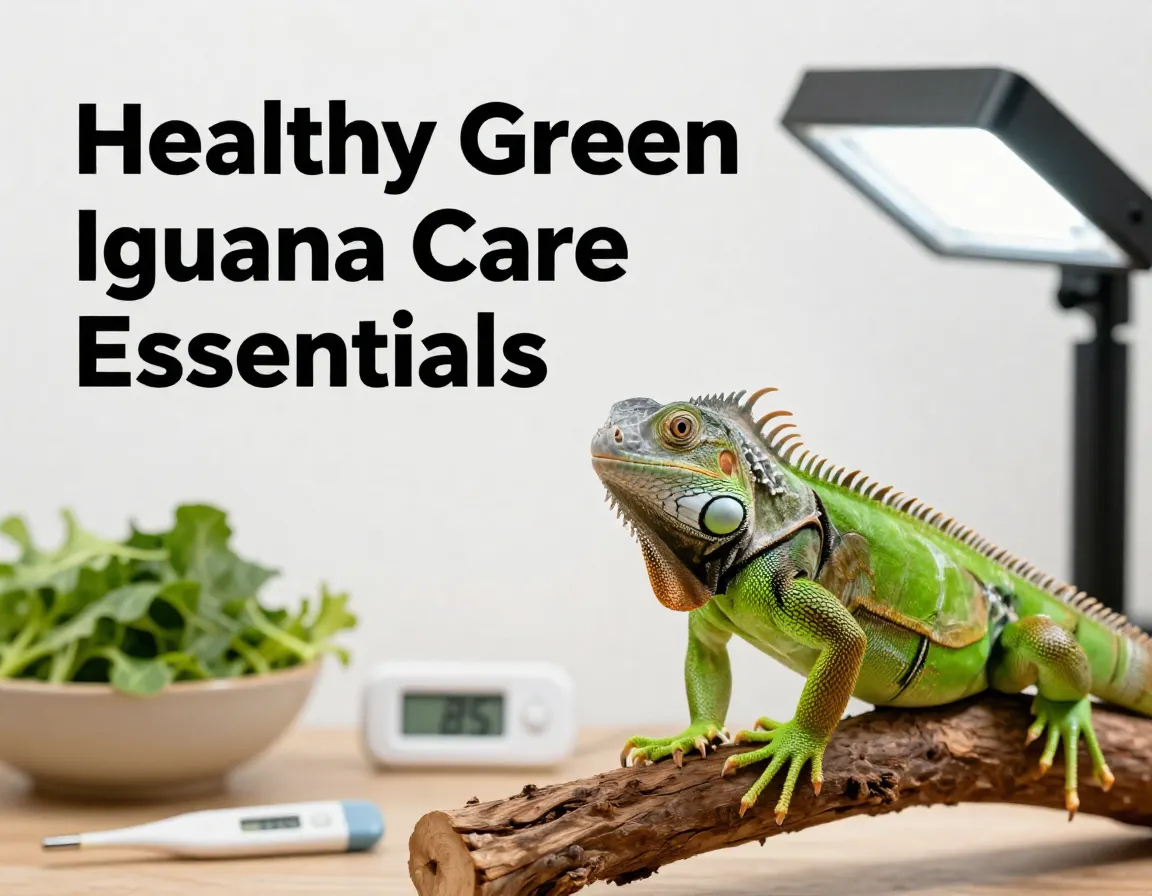
Understanding the 7 Essential Care Tips for a Healthy Common Green Iguana can mean the difference between a thriving companion and a costly veterinary emergency. These remarkable reptiles require specific environmental conditions, specialized nutrition, and consistent monitoring to maintain optimal health. Whether you’re a first-time iguana owner or looking to improve your current care routine, mastering these fundamental principles will ensure your scaly friend lives a long, healthy life.
Key Takeaways
- Proper habitat setup with correct temperature gradients (75-95°F) and UVB lighting is crucial for iguana health and digestion
- Specialized herbivorous diet consisting of 80% leafy greens, 15% vegetables, and 5% fruits prevents nutritional deficiencies
- Regular veterinary checkups and health monitoring help detect issues early, including metabolic bone disease and parasites
- Adequate space requirements include minimum 12x6x6 feet enclosures for adult iguanas to support natural behaviors
- Consistent daily routines for feeding, lighting cycles, and handling reduce stress and promote healthy development
Understanding Green Iguana Care Fundamentals
Green iguanas (Iguana iguana) are native to Central and South America, where they inhabit tropical rainforests and coastal areas. In the wild, these impressive reptiles can grow up to 6 feet long and live in complex environments with varying temperatures, humidity levels, and abundant vegetation. Replicating these natural conditions forms the foundation of proper iguana care.
Many new owners underestimate the commitment required for iguana ownership. These animals are not suitable pets for beginners or families seeking low-maintenance companions. Adult iguanas require substantial space, specialized equipment, and daily attention to thrive in captivity.
“Proper iguana care requires understanding that these are wild animals with complex needs, not domesticated pets. Success comes from respecting their natural behaviors and requirements.” – Dr. Sarah Martinez, Exotic Veterinarian
The most common mistakes in iguana care include:
- Inadequate enclosure size leading to stress and behavioral problems
- Improper lighting causing metabolic bone disease
- Poor diet choices resulting in nutritional deficiencies
- Incorrect temperature ranges affecting digestion and immune function
- Lack of veterinary care allowing preventable diseases to progress
Understanding these fundamentals sets the stage for implementing the 7 Essential Care Tips for a Healthy Common Green Iguana that follow.
Creating the Perfect Environment: Housing and Habitat Requirements
1. Establish Proper Enclosure Dimensions
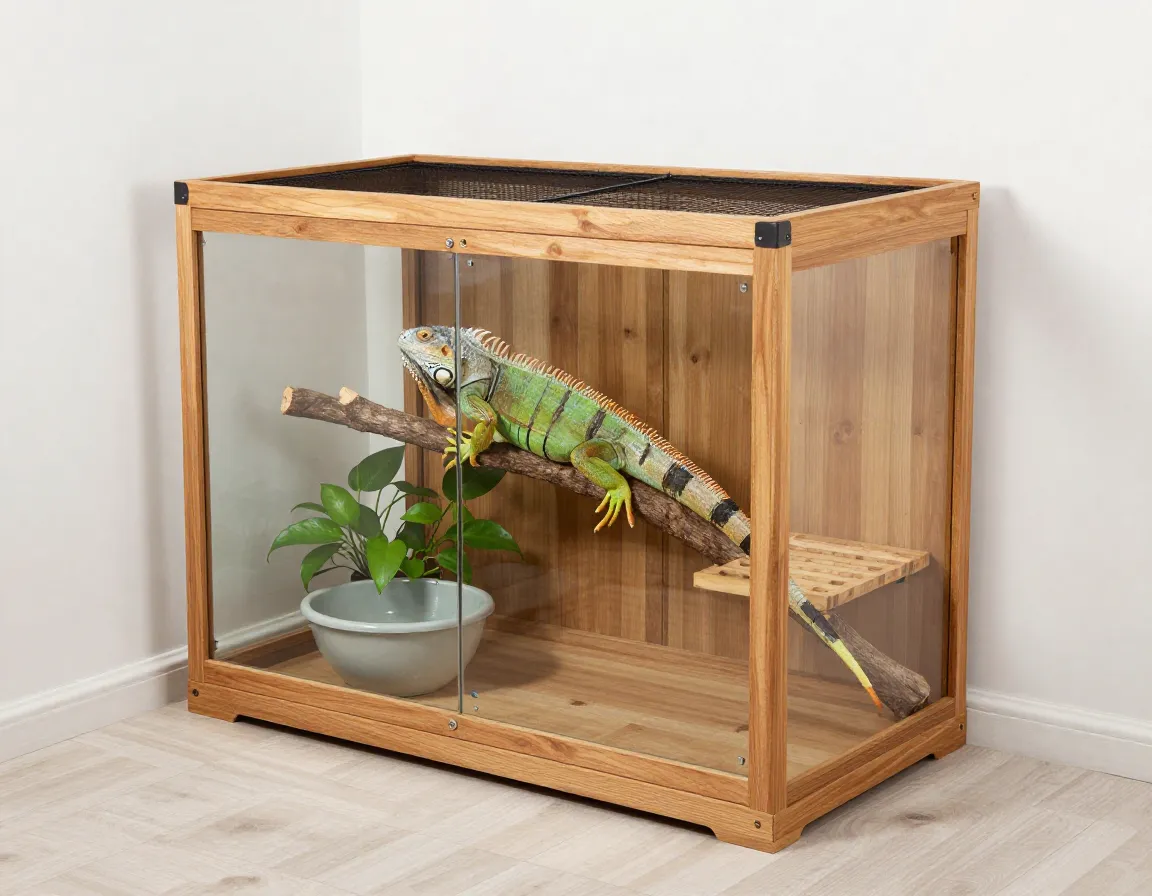
The first of our 7 Essential Care Tips for a Healthy Common Green Iguana focuses on providing adequate living space. Adult iguanas require minimum enclosure dimensions of 12 feet long, 6 feet wide, and 6 feet tall. This substantial space requirement often surprises new owners, but it’s essential for the animal’s physical and psychological well-being.
Enclosure Size Guidelines by Age:
- Hatchlings (0-6 months): 40-gallon tank minimum
- Juveniles (6-18 months): 75-gallon tank or custom enclosure
- Sub-adults (18-36 months): 6x4x4 feet minimum
- Adults (3+ years): 12x6x6 feet or larger
Many successful iguana keepers build custom enclosures or convert entire rooms to accommodate their pets’ space needs. Glass terrariums work well for juveniles, but adults typically require custom-built wooden or PVC enclosures with proper ventilation.
2. Master Temperature and Lighting Requirements
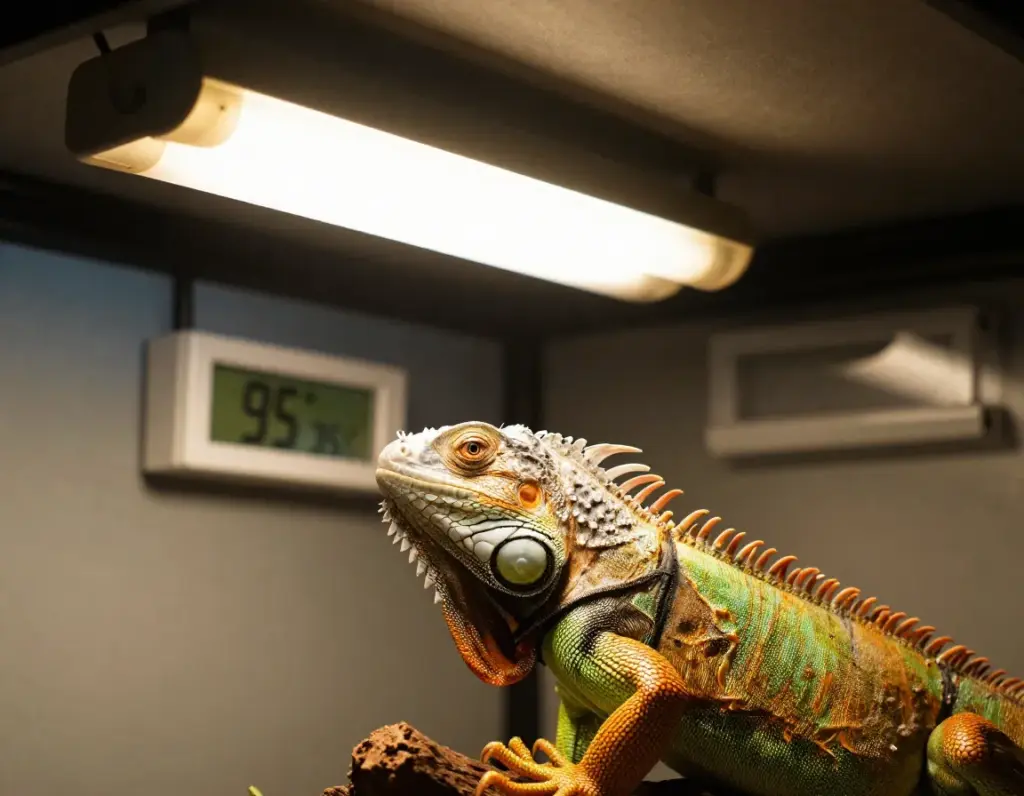
Temperature regulation represents the second critical element among our 7 Essential Care Tips for a Healthy Common Green Iguana. Iguanas are ectothermic, meaning they rely on external heat sources to regulate their body temperature and metabolic processes.
Essential Temperature Zones:
- Basking spot: 95-100°F (35-38°C)
- Ambient temperature: 80-85°F (27-29°C)
- Cool side: 75-80°F (24-27°C)
- Nighttime: 70-75°F (21-24°C)
Lighting Requirements:
- UVB lighting: 10-12% UVB fluorescent or LED bulbs
- UVA lighting: Full-spectrum lighting for natural behavior
- Photoperiod: 12 hours on, 12 hours off
- Replacement schedule: Every 6-12 months for fluorescent bulbs
Proper lighting placement is crucial – UVB bulbs should be positioned 12-18 inches from basking spots and replaced regularly, as their UV output diminishes over time even when the visible light continues working.
3. Optimize Humidity and Ventilation
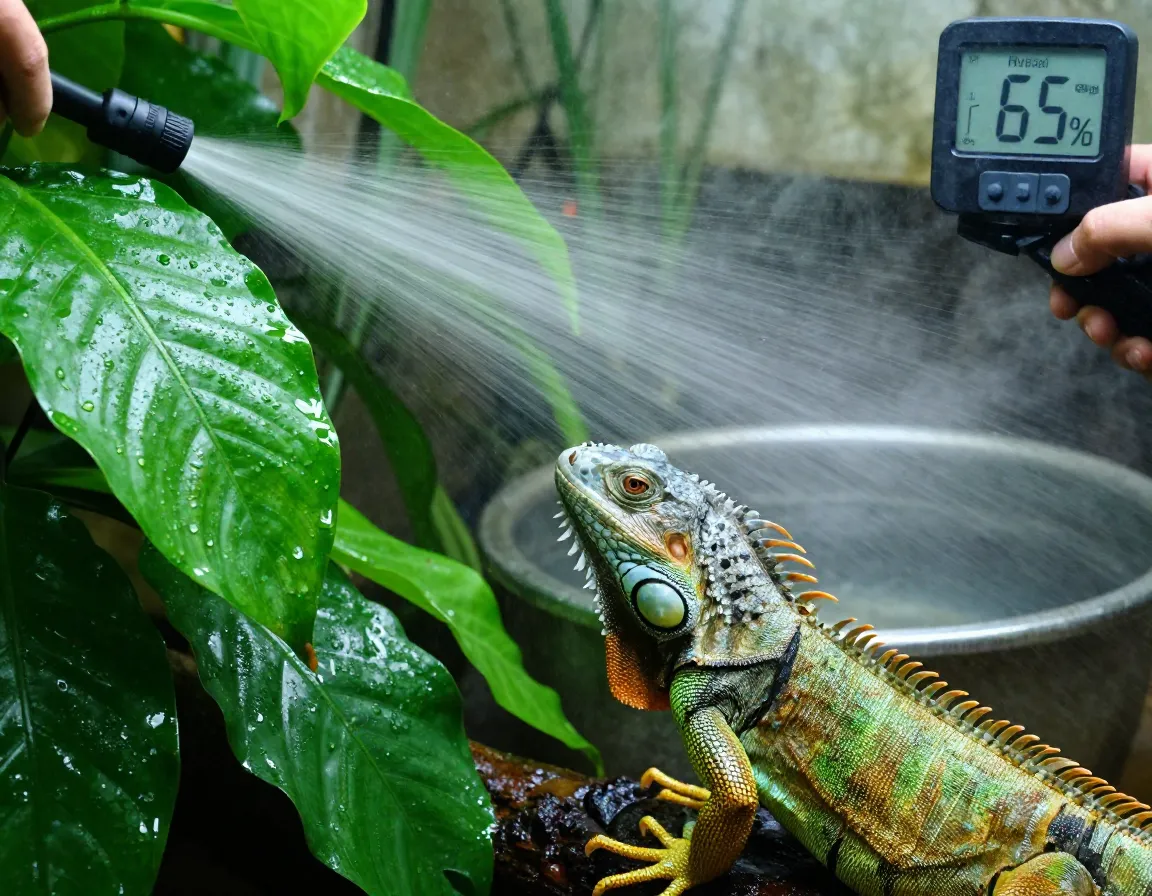
Maintaining appropriate humidity levels forms the third component of proper environmental care. Green iguanas require 60-70% humidity for optimal health, particularly for proper shedding and respiratory function.
Humidity Management Strategies:
- Water features: Large water bowls or shallow pools
- Misting systems: Automated or manual misting 2-3 times daily
- Live plants: Pothos, hibiscus, and ficus trees
- Substrate choices: Cypress mulch or coconut fiber
Ventilation Considerations:
- Air circulation: Prevent stagnant air and mold growth
- Screen tops: Allow proper air exchange
- Fan placement: Gentle air movement without direct drafts
Nutrition and Health Management
4. Provide Species-Appropriate Nutrition
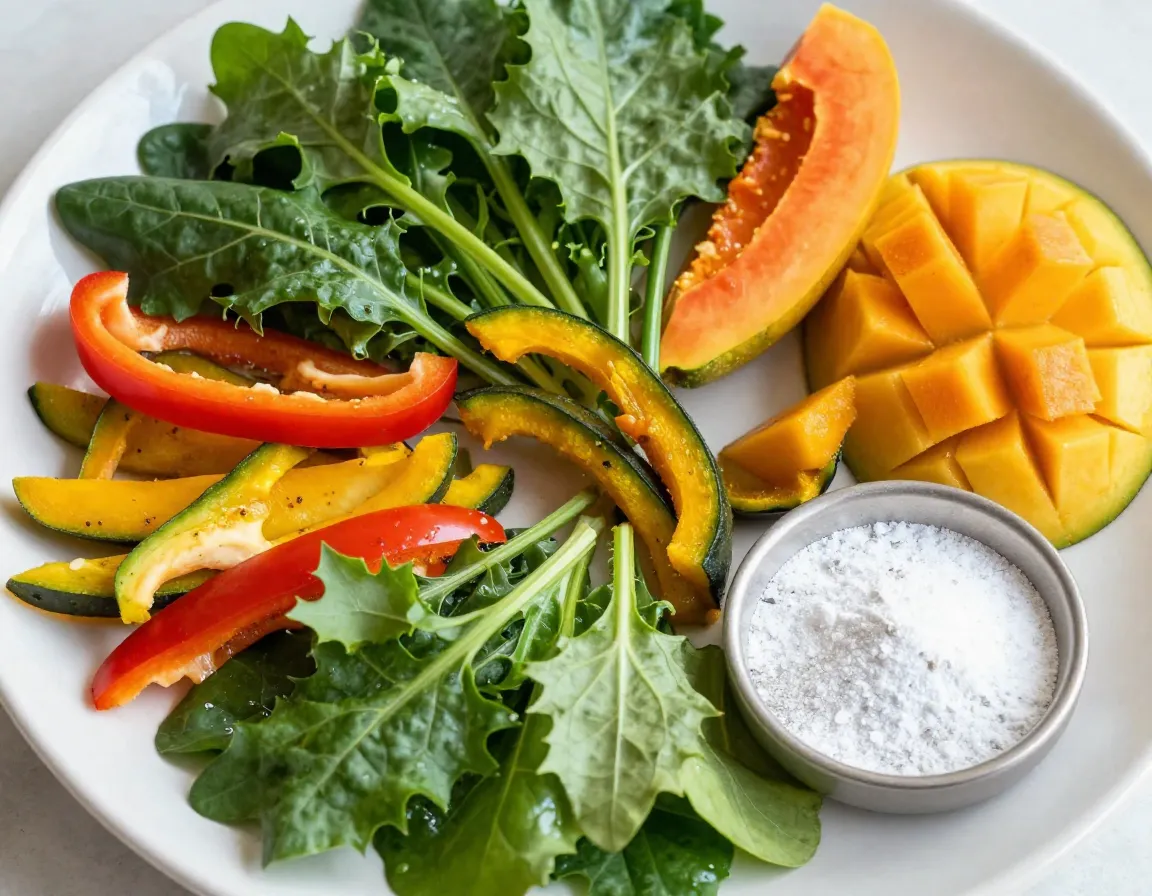
The fourth of our 7 Essential Care Tips for a Healthy Common Green Iguana centers on proper nutrition. Adult iguanas are strict herbivores, requiring a carefully balanced plant-based diet to maintain optimal health.
Ideal Diet Composition:
- 80% Leafy Greens: Collard greens, mustard greens, turnip greens, dandelion greens
- 15% Vegetables: Squash, bell peppers, green beans, carrots
- 5% Fruits: Papaya, mango, berries (occasional treats)
Daily Feeding Schedule:
- Juveniles: Feed daily, smaller portions
- Adults: Feed every other day, larger portions
- Timing: Morning feeding after basking begins
- Portion size: Amount consumed in 15-20 minutes
Foods to Avoid:
- Toxic plants: Avocado, rhubarb, onions
- High oxalate foods: Spinach, beet greens (limit quantities)
- Processed foods: Any human food or commercial pet foods
- Animal proteins: Insects, meat, dairy products
Supplementation Requirements:
- Calcium powder: 2-3 times per week for adults, daily for juveniles
- Multivitamins: Once weekly
- Application method: Dust food lightly before serving
5. Implement Regular Health Monitoring
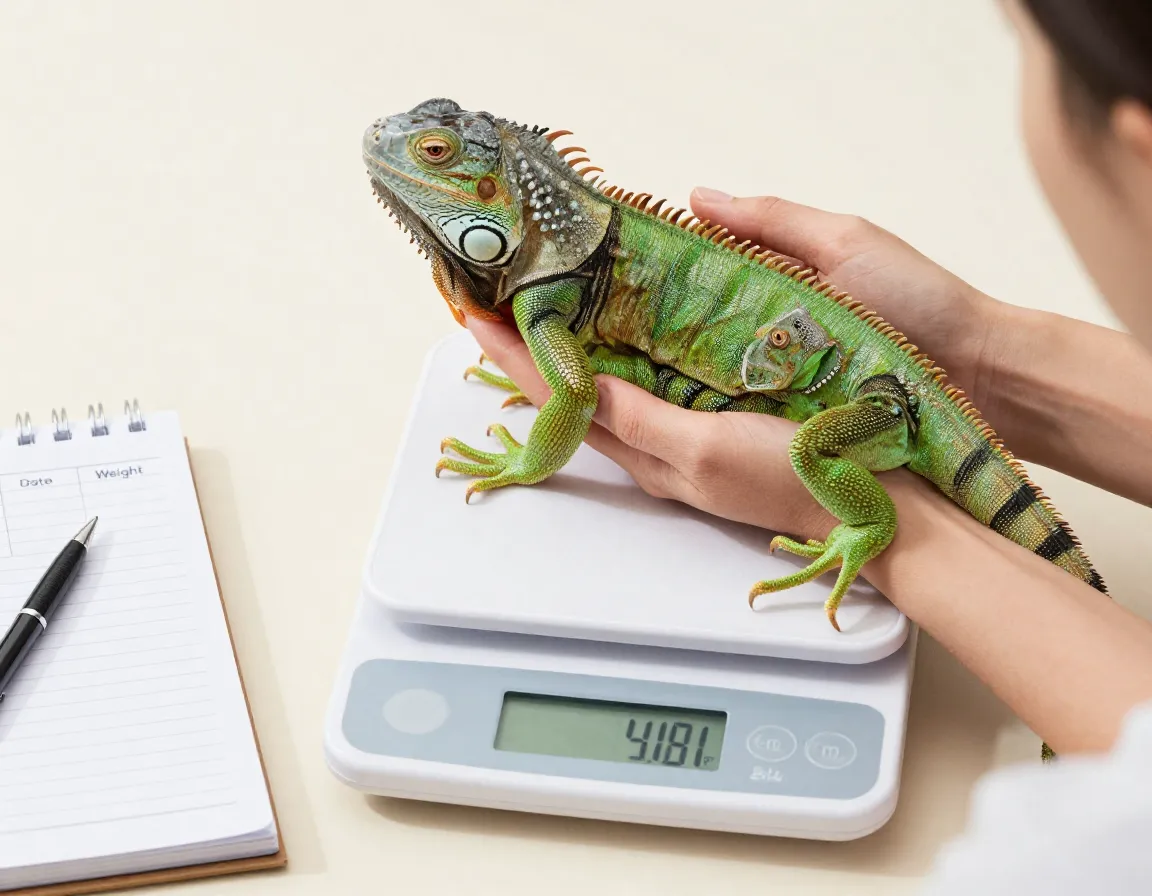
The fifth essential care tip involves establishing consistent health monitoring routines. Preventive care is far more effective and affordable than treating advanced diseases.
Weekly Health Checks:
- Weight monitoring: Use digital scale, track trends
- Appetite assessment: Note food consumption patterns
- Behavior observation: Activity levels, alertness, basking habits
- Physical examination: Check for injuries, swelling, or discharge
Monthly Assessments:
- Shedding patterns: Complete, regular shedding cycles
- Growth measurements: Length and girth for juveniles
- Enclosure maintenance: Deep cleaning and equipment checks
- Photographic records: Document appearance changes
Annual Veterinary Care:
- Comprehensive examination: Full physical assessment
- Parasite screening: Fecal examination for internal parasites
- Blood work: Nutritional and organ function assessment
- Vaccination consultation: Discuss any recommended preventive treatments
6. Recognize Common Health Issues
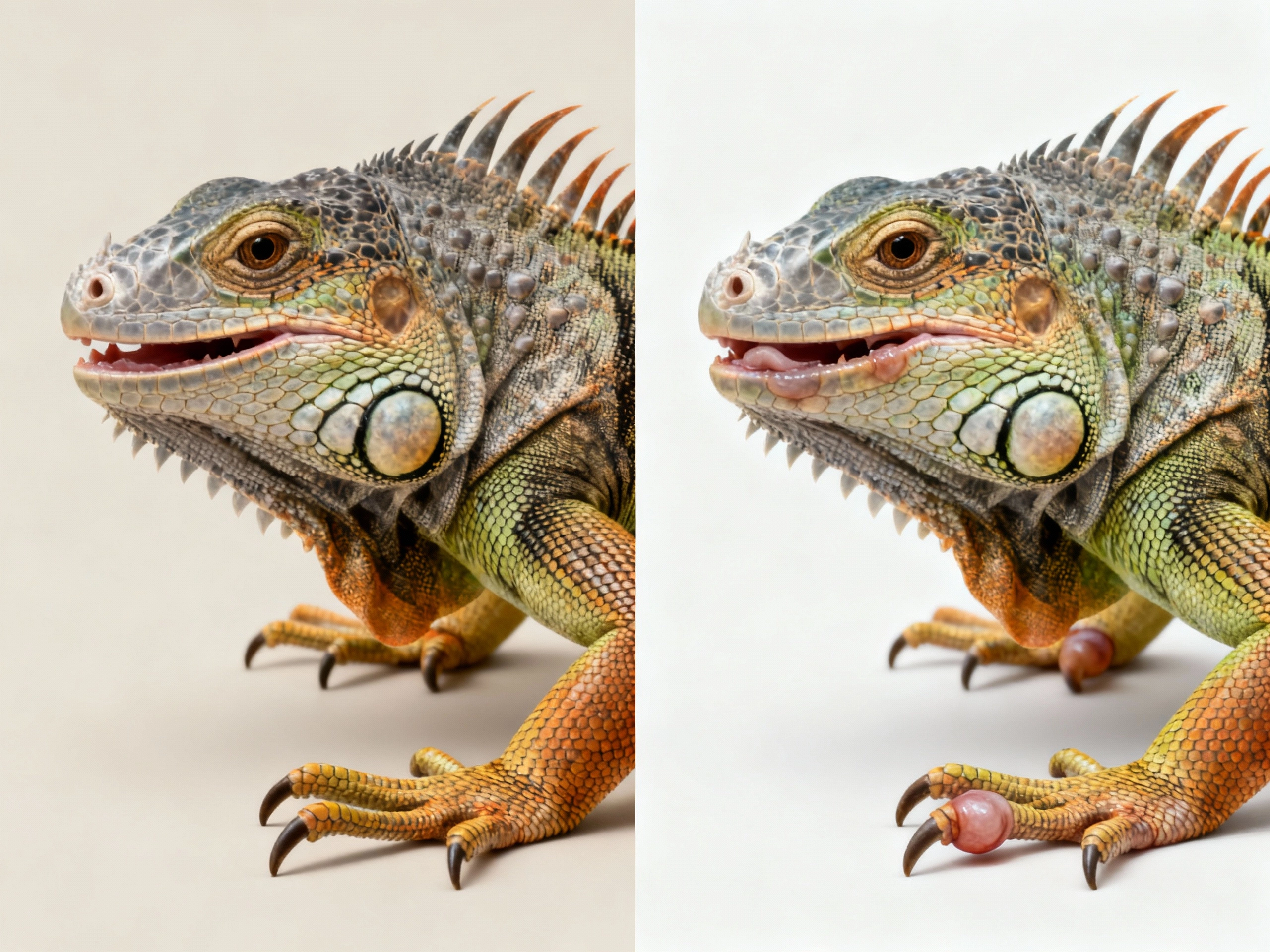
Understanding potential health problems represents the sixth crucial element in our 7 Essential Care Tips for a Healthy Common Green Iguana. Early recognition and intervention significantly improve treatment outcomes.
Metabolic Bone Disease (MBD):
- Symptoms: Soft jaw, trembling, difficulty moving, bone deformities
- Causes: Inadequate UVB lighting, calcium deficiency, poor diet
- Prevention: Proper lighting, calcium supplementation, veterinary monitoring
Respiratory Infections:
- Symptoms: Mouth breathing, wheezing, nasal discharge, lethargy
- Causes: Poor humidity, temperature fluctuations, stress
- Treatment: Veterinary care, environmental corrections
Parasites:
- Types: Internal (worms, protozoa) and external (mites, ticks)
- Symptoms: Weight loss, diarrhea, lethargy, visible parasites
- Prevention: Regular fecal examinations, quarantine new animals
Impaction:
- Symptoms: Lack of defecation, straining, loss of appetite
- Causes: Inappropriate substrate, dehydration, low temperatures
- Prevention: Proper substrate choices, adequate hydration, correct temperatures
Advanced Care Considerations
7. Establish Proper Handling and Socialization
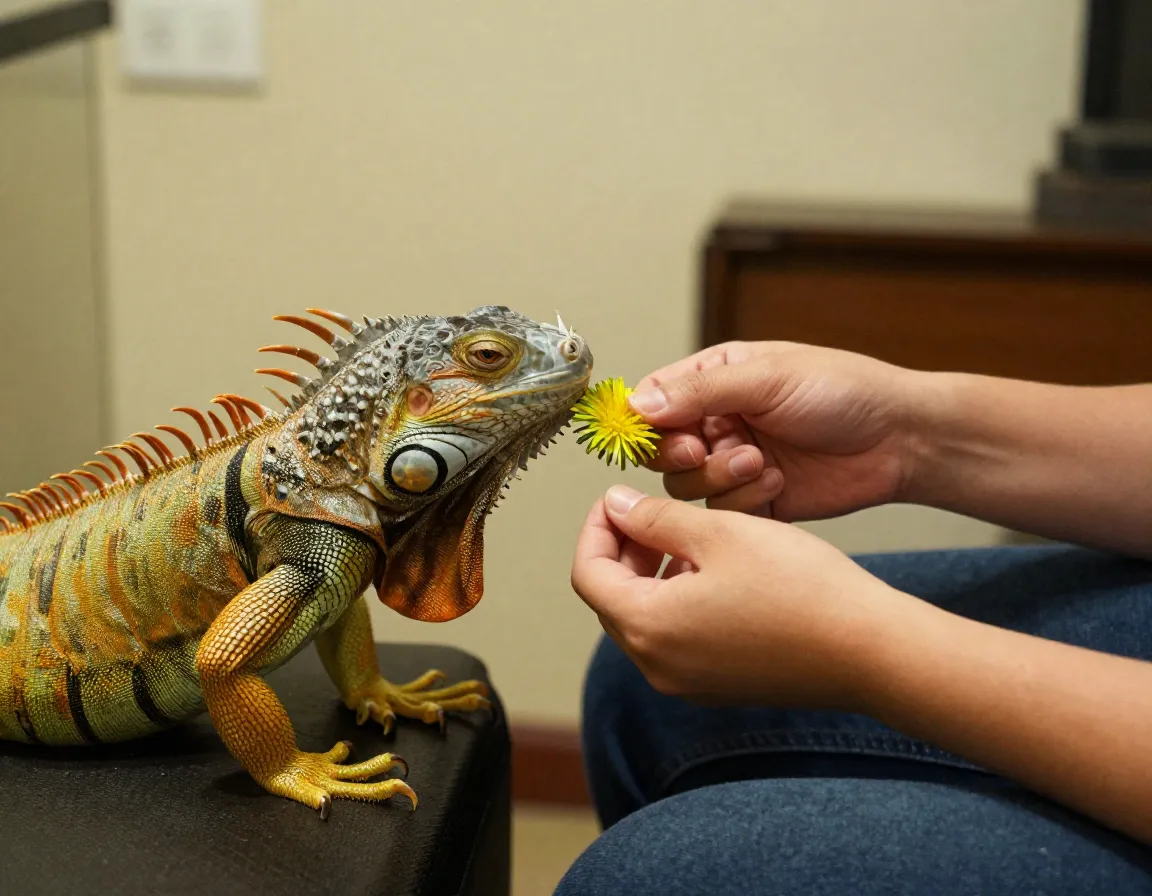
The seventh and final element of our 7 Essential Care Tips for a Healthy Common Green Iguana focuses on safe handling techniques and socialization. Proper interaction builds trust while minimizing stress for both owner and animal.
Safe Handling Techniques:
- Approach slowly: Allow iguana to see you coming
- Support the body: Use both hands to support chest and hindquarters
- Avoid the tail: Never grab or lift by the tail
- Watch for warning signs: Whipping tail, open mouth, color changes
Socialization Guidelines:
- Start young: Begin gentle handling with juveniles
- Short sessions: 10-15 minutes initially, gradually increase
- Consistent routine: Regular, predictable interaction times
- Respect boundaries: Allow iguana to retreat when stressed
Behavioral Understanding:
- Head bobbing: Territorial display or dominance assertion
- Color changes: Mood indicators (darker = stressed, brighter = content)
- Dewlap extension: Communication signal, often territorial
- Tail whipping: Warning sign of agitation or fear
Building Trust:
- Patience: Allow weeks or months for bonding
- Positive associations: Offer favorite foods during interactions
- Calm environment: Minimize loud noises and sudden movements
- Consistency: Same person handling initially
Creating Long-Term Success
Implementing these 7 Essential Care Tips for a Healthy Common Green Iguana requires dedication, patience, and ongoing education. Successful iguana ownership involves continuous learning and adaptation as understanding of reptile care evolves.
Equipment Investment Considerations:
- Initial setup costs: $1,500-3,000 for proper adult enclosure
- Monthly expenses: $50-100 for food, electricity, supplies
- Veterinary costs: $200-500 annually for routine care
- Emergency fund: $1,000+ for unexpected medical expenses
Time Commitment Requirements:
- Daily care: 30-60 minutes for feeding, monitoring, maintenance
- Weekly tasks: Deep cleaning, health assessments, food preparation
- Monthly activities: Enclosure maintenance, supply restocking
- Seasonal adjustments: Lighting schedules, heating modifications
Educational Resources:
- Veterinary guidance: Establish relationship with exotic animal veterinarian
- Online communities: Join reputable iguana keeper forums and groups
- Scientific literature: Stay updated on current research and best practices
- Local societies: Connect with regional herpetological organizations
Record Keeping:
Maintain detailed records of feeding schedules, weight measurements, veterinary visits, and behavioral observations. This documentation proves invaluable for identifying patterns and communicating with veterinarians.
Conclusion
Mastering the 7 Essential Care Tips for a Healthy Common Green Iguana represents a significant commitment that rewards dedicated owners with the companionship of one of nature’s most impressive reptiles. Success requires understanding that these animals have complex needs that cannot be compromised without serious consequences to their health and well-being.
The journey of iguana ownership begins with proper preparation and continues with consistent application of these fundamental care principles. Remember that each animal is unique, and what works for one iguana may require adjustment for another. Flexibility, patience, and commitment to ongoing learning form the foundation of successful long-term care.
Your next steps should include:
- Assess your current setup against these seven essential care tips and identify areas for improvement
- Establish a relationship with an experienced exotic animal veterinarian in your area
- Create a care schedule that incorporates daily, weekly, and monthly maintenance tasks
- Build an emergency fund for unexpected veterinary expenses and equipment failures
- Connect with experienced keepers through online communities and local herpetological societies
The investment in proper iguana care pays dividends through years of companionship with a healthy, thriving animal. These magnificent creatures can live 15-20 years in captivity when provided with appropriate care, making them truly long-term companions for dedicated owners.
Remember that iguana ownership is not suitable for everyone, and there’s no shame in recognizing if you cannot provide the level of care these animals require. Responsible ownership sometimes means making difficult decisions in the best interest of the animal’s welfare.
By implementing these 7 Essential Care Tips for a Healthy Common Green Iguana, you’re taking the crucial steps necessary to provide your scaly companion with the best possible quality of life. The commitment is substantial, but the rewards of successfully caring for these remarkable reptiles make the effort worthwhile for dedicated enthusiasts.