7 Effective Puppy Training Tips for Biting and Nipping: A Complete Guide to Stop Unwanted Behavior
Picture this: you’ve just brought home your adorable new puppy, and within hours, those tiny needle-sharp teeth are leaving marks on your hands, arms, and favorite clothes. If you’re experiencing this challenge, you’re not alone – puppy biting and nipping is one of the most common behavioral issues new dog owners face in 2026. The good news? With the right approach and these 7 effective puppy training tips for biting and nipping, you can transform your little land shark into a well-behaved companion who understands appropriate play behavior.
Key Takeaways
- Start training early – ideally after puppies have spent at least one month with their mother and littermates to learn basic bite inhibition
- Use positive reinforcement methods like clicker training and treats to reward appropriate behavior rather than punishing unwanted actions
- Redirect biting behavior to appropriate toys and chew items while removing attention when nipping occurs
- Provide adequate exercise and mental stimulation to prevent boredom-related mouthing and nipping
- Most puppies naturally reduce excessive biting between 4-6 months with consistent training and patience
Understanding Why Puppies Bite and Nip
Before diving into our 7 effective puppy training tips for biting and nipping, it’s crucial to understand that this behavior is completely normal. Puppies explore their world through their mouths, much like human babies do with their hands. They also use their teeth during play with littermates, learning important social skills and bite inhibition from their mother and siblings [3].
However, when puppies enter human households, they need to learn that human skin is much more sensitive than their furry siblings. Without proper guidance, innocent puppy play can escalate into problematic behavior that becomes harder to correct as they grow larger and stronger.
Common Triggers for Puppy Biting
- Overstimulation during play sessions
- Teething discomfort (typically between 3-6 months)
- Lack of appropriate outlets for natural chewing instincts
- Insufficient exercise leading to pent-up energy
- Attention-seeking behavior when they’ve learned biting gets reactions
The Science Behind Effective Puppy Training
Modern dog training in 2026 emphasizes positive reinforcement over punishment-based methods. Research consistently shows that puppies learn faster and retain lessons longer when we reward good behavior rather than punish unwanted actions [5]. This approach builds trust between you and your puppy while creating a more enjoyable training experience for both parties.
Physical punishment, such as hitting or scruff shaking, can actually increase aggression and fear rather than reducing biting behavior [5]. Instead, we focus on teaching puppies what we want them to do, making good choices more rewarding than problematic ones.
7 Effective Puppy Training Tips for Biting and Nipping
1. Start Training Early and Consistently
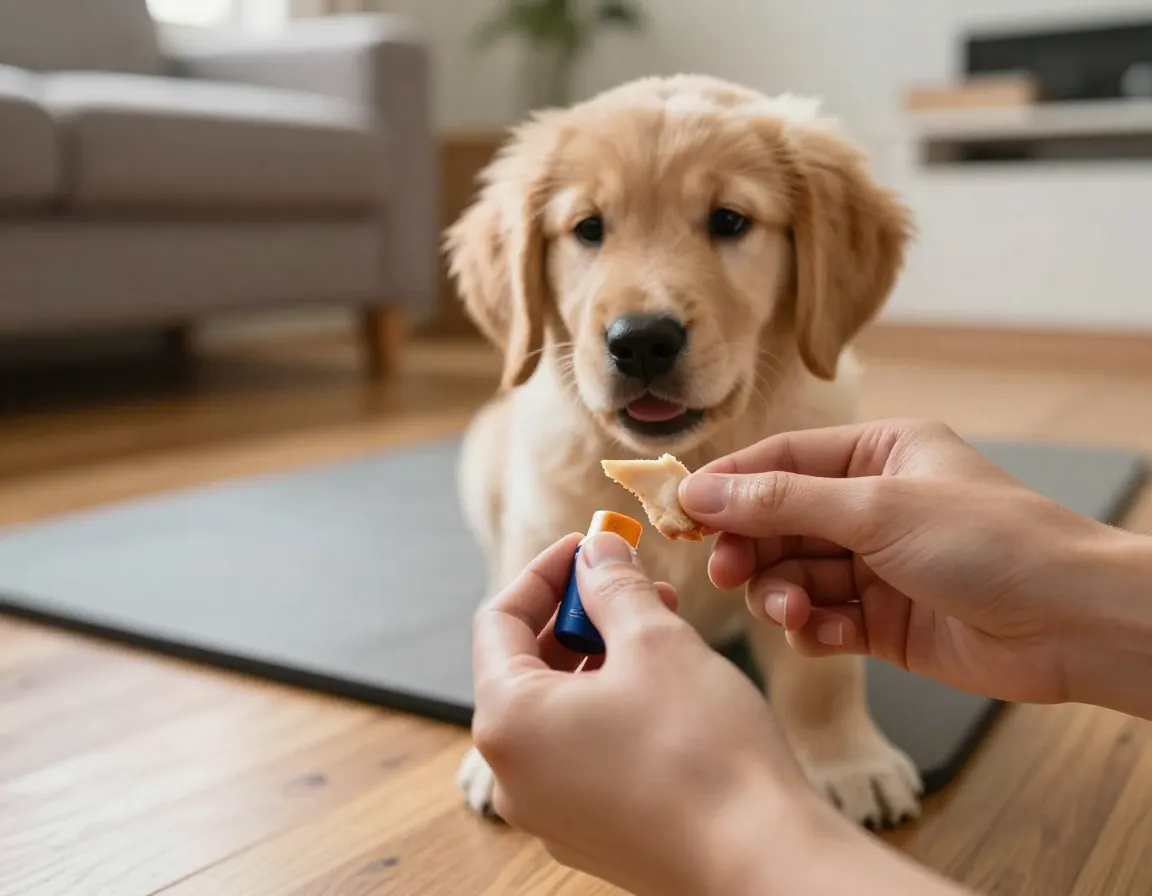
The foundation of successful bite inhibition training begins as early as possible. Starting dog training at a young age can reinforce good behavior sooner, ideally after puppies have spent at least one month with their mother and littermates to learn safe play [3].
Why Early Training Matters:
- Puppies are most receptive to learning between 8-16 weeks old
- Neural pathways are still developing, making new habits easier to establish
- Early intervention prevents behaviors from becoming deeply ingrained
- Socialization windows are critical during this period
Implementation Strategy:
- Begin training the day your puppy arrives home
- Keep initial sessions short (5-10 minutes) but frequent
- Focus on one concept at a time to avoid overwhelming your puppy
- Maintain consistency across all family members
💡 Pro Tip: Create a family training plan where everyone uses the same commands and techniques. Mixed messages confuse puppies and slow progress.
2. Use Positive Reinforcement and Clicker Training
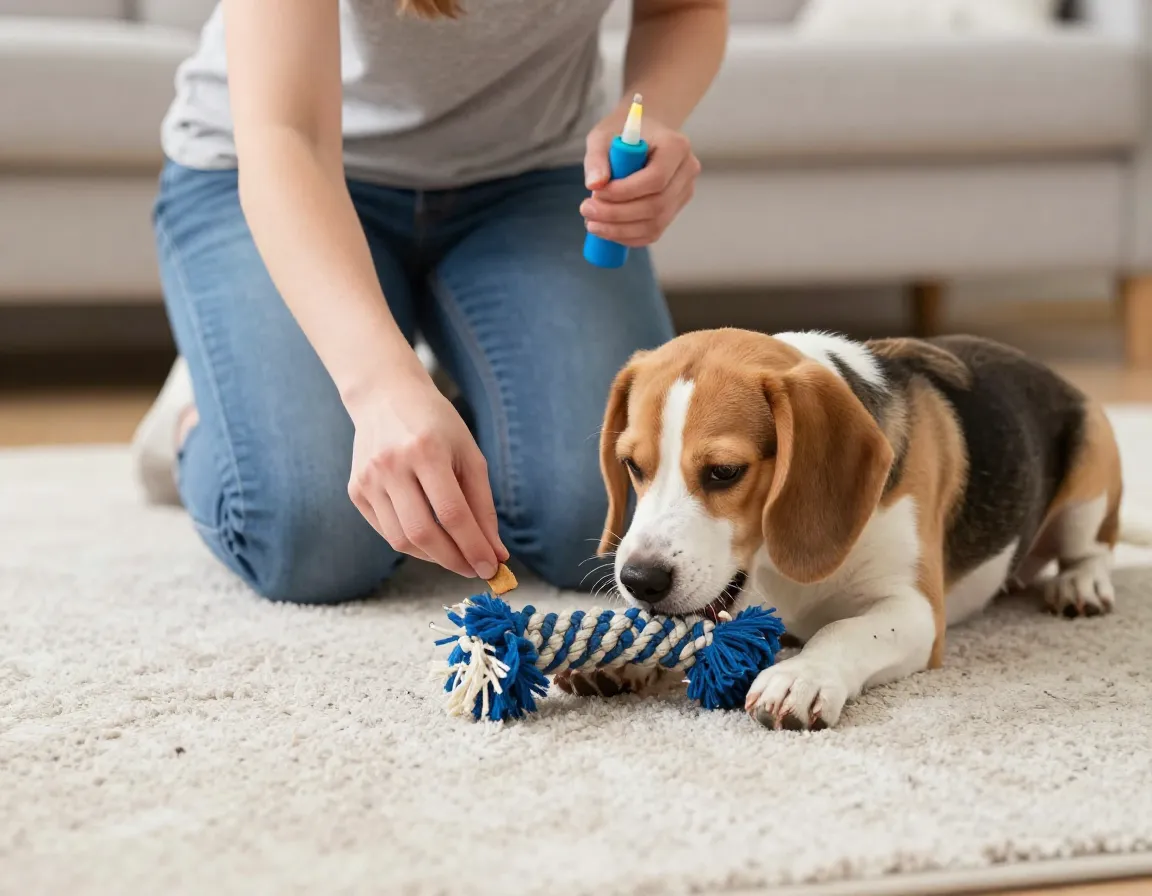
Click and reward puppies when they grab appropriate toys or perform calm behaviors, reinforcing that these actions lead to rewards [1]. Clicker training provides precise timing that helps puppies understand exactly which behaviors earn rewards.
Essential Clicker Training Steps:
- Charge the clicker by clicking and immediately giving a treat 10-15 times
- Mark good behavior the instant it happens with a click
- Follow immediately with a high-value treat
- Practice regularly in short, positive sessions
Behaviors to Click and Reward:
- ✅ Gentle mouth contact with toys
- ✅ Calm sitting or lying down
- ✅ Playing without using teeth on humans
- ✅ Releasing objects when asked
- ✅ Choosing toys over hands or clothing
3. Teach Essential “Open” and “Drop It” Commands
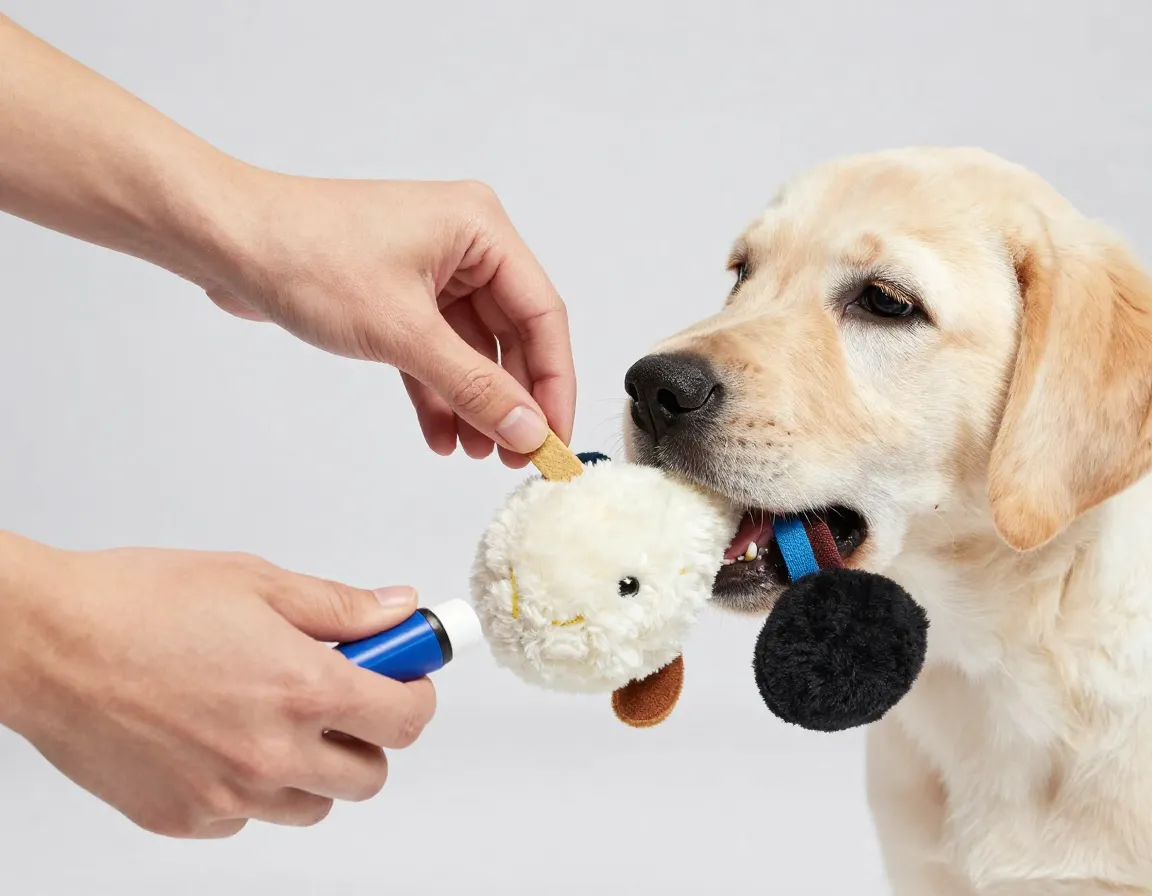
Using clicker training to teach puppies to release objects on command helps redirect unwanted mouthing behavior [1][2]. These commands become invaluable tools for managing biting situations and preventing resource guarding.
Training “Drop It”:
| Step | Action | Timing | Reward |
|---|---|---|---|
| 1 | Hold treat near puppy’s nose while they have toy | Wait for release | Click + treat immediately |
| 2 | Add verbal cue “Drop it” just before showing treat | 3-5 repetitions | Praise + treat + return toy |
| 3 | Use command without showing treat first | When puppy releases | Jackpot reward (multiple treats) |
| 4 | Practice with different objects and locations | Daily sessions | Consistent positive reinforcement |
Training “Open”:
- Start with gentle pressure on puppy’s muzzle while saying “Open”
- Click and reward when mouth opens
- Gradually reduce physical pressure, relying on verbal command
- Practice during calm moments, not during active biting
4. Redirect to Appropriate Toys and Chew Items
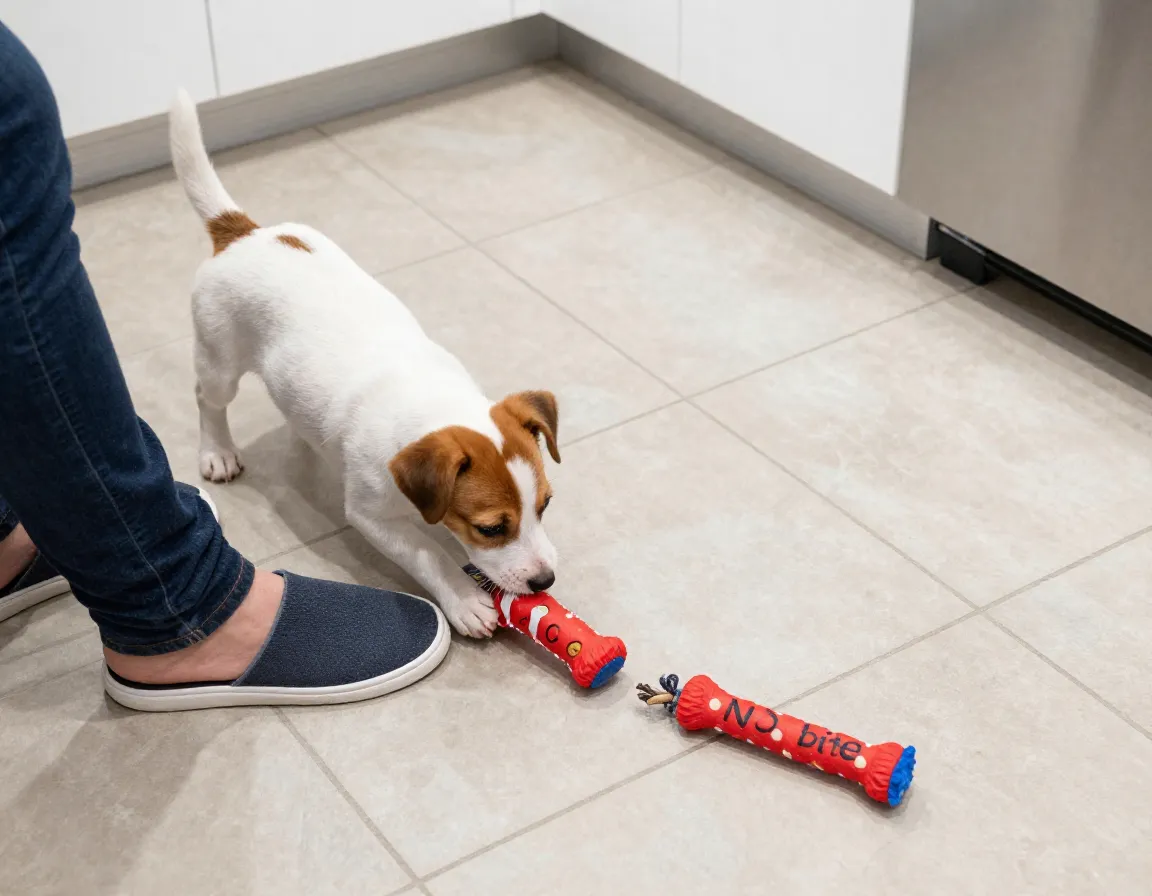
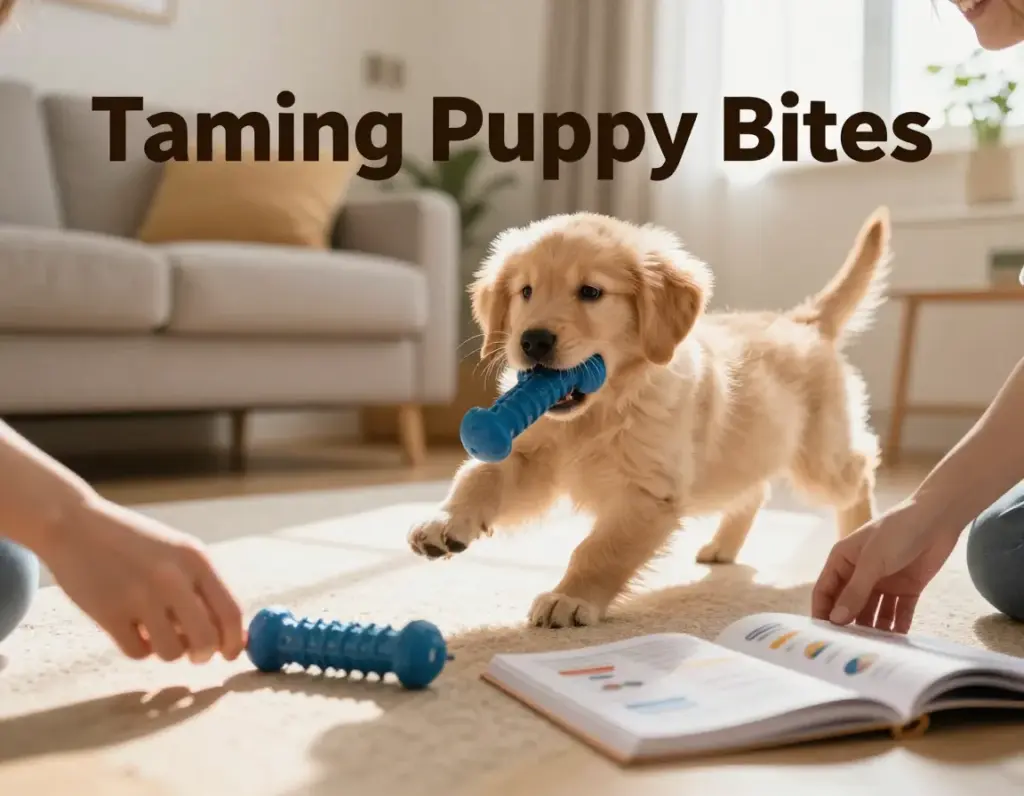
Keep appropriate toys, bully sticks, or frozen chew toys readily available to redirect attention away from hands and clothing [2][6][7]. Redirection teaches puppies what they can bite while satisfying their natural chewing instincts.
Effective Redirection Toys:
- Rope toys for tugging and chewing
- Frozen Kong toys stuffed with treats for extended chewing
- Bully sticks for heavy chewers (supervised use)
- Puzzle toys that dispense treats
- Teething rings specifically designed for puppies
Redirection Technique:
- The moment puppy mouths you, say “No bite”
- Immediately offer an appropriate chew toy
- Praise enthusiastically when puppy takes the toy
- Engage in play with the appropriate item
- Repeat consistently every single time
🎯 Success Tip: Rotate toys weekly to maintain novelty and interest. A bored puppy is more likely to seek entertainment through inappropriate biting.
5. Use the Yelping Method for Bite Inhibition
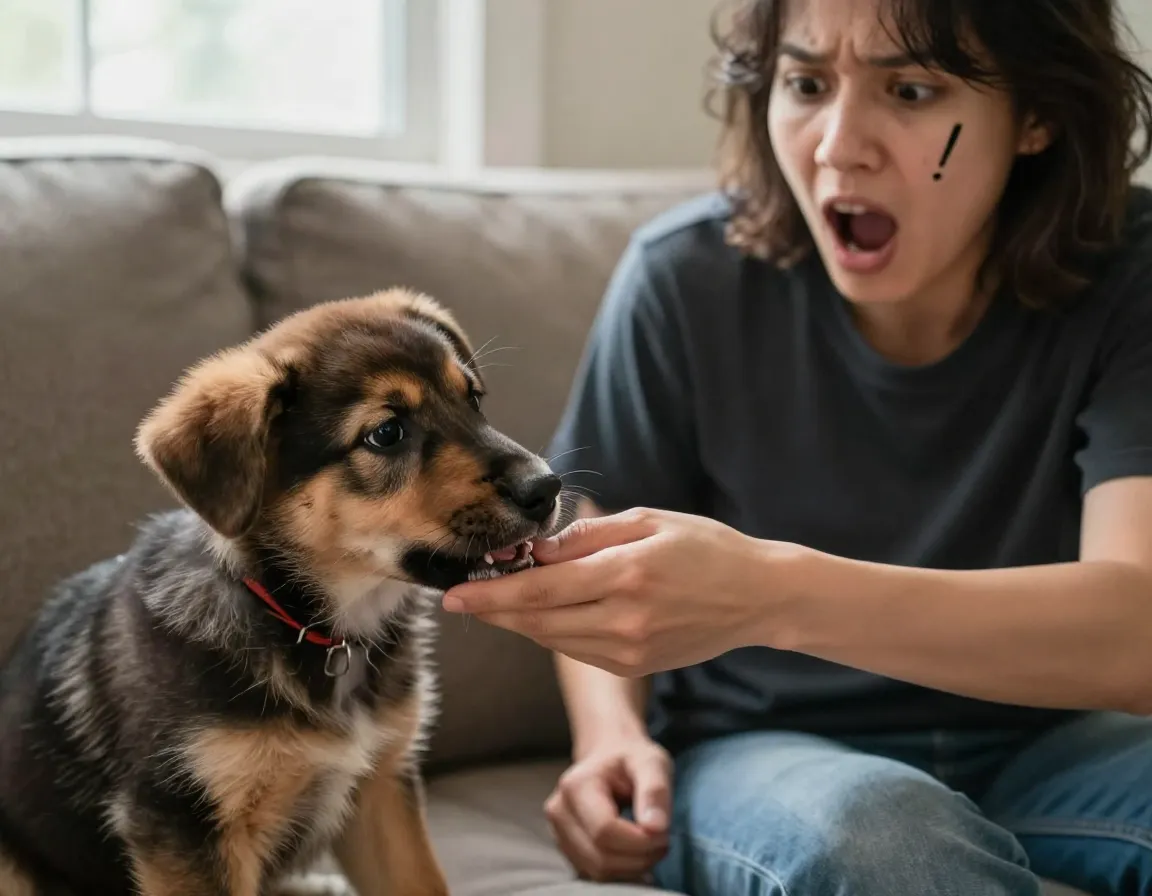
Imitate a high-pitched yelp when puppies bite hard during play to teach bite inhibition, then reward them when they release [3][5]. This mimics how littermates communicate during play and helps puppies understand pressure limits.
Proper Yelping Technique:
- Make a sharp “OUCH!” or high-pitched yelp immediately when teeth contact skin
- Stop all interaction for 10-15 seconds
- Turn away or cross your arms to show play has ended
- Resume play only when puppy is calm
- Gradually lower tolerance for any tooth contact over time
Important Considerations:
- Some puppies may become more excited by yelping – if this happens, use silent withdrawal instead
- Be dramatic but not frightening
- Consistency is key – everyone must respond the same way
- Never yelp and continue playing, as this sends mixed messages
6. Apply Negative Punishment Through Attention Removal
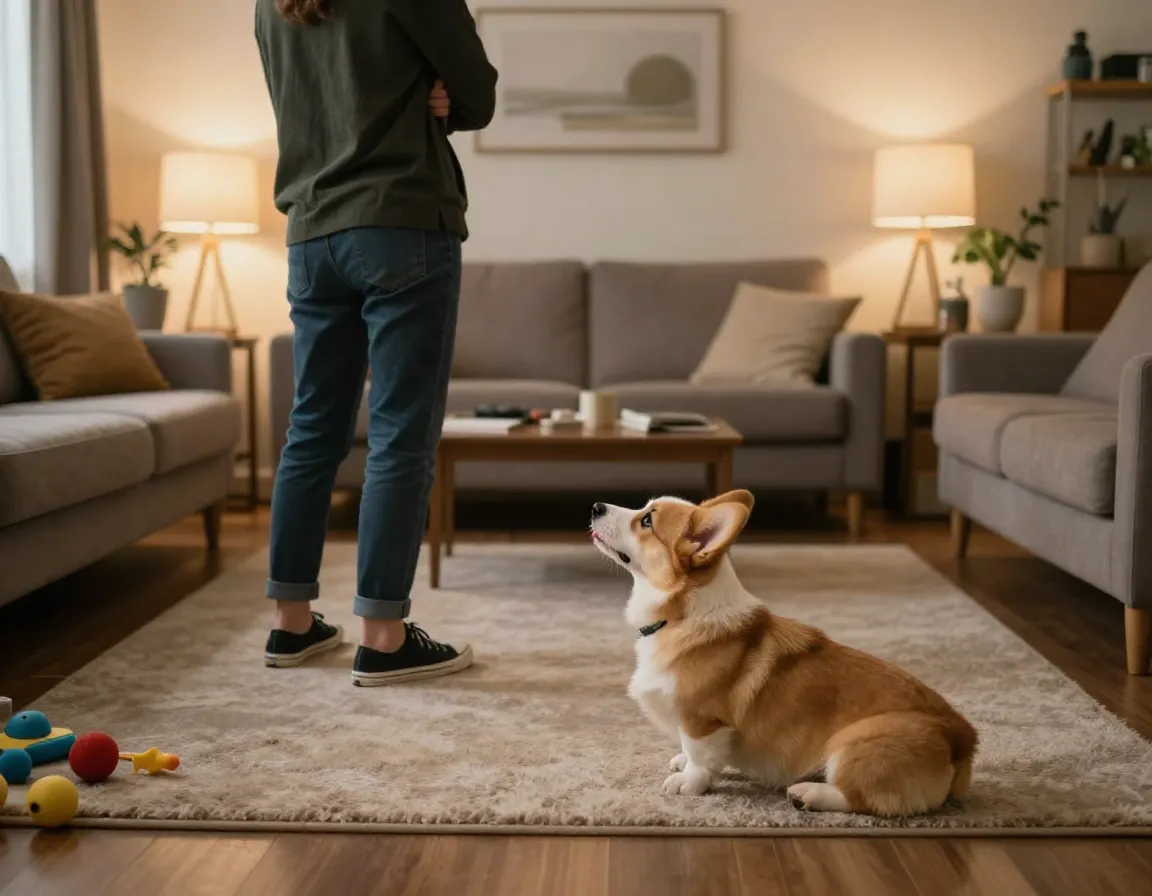
Immediately stop play, interaction, and attention when puppies nip excessively, as this removes what they want and reduces the behavior [2]. This technique teaches puppies that biting ends fun activities.
Attention Removal Protocol:
- The instant inappropriate biting occurs, become completely still
- Avoid eye contact and stop all interaction
- Turn your back or leave the room for 30-60 seconds
- Return calmly without acknowledging the previous behavior
- Redirect to appropriate activity when you return
Advanced Technique – Puppy Zone:
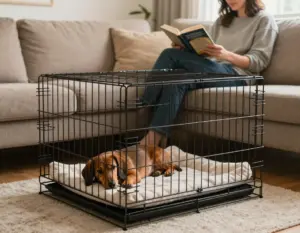
Use a puppy zone for settle-down time by calmly placing overly nippy puppies in a pen with appropriate chews for a few minutes [2]. This isn’t punishment but helps prevent nipping and teaches that biting leads to removal from interaction.
7. Provide Adequate Exercise and Mental Stimulation
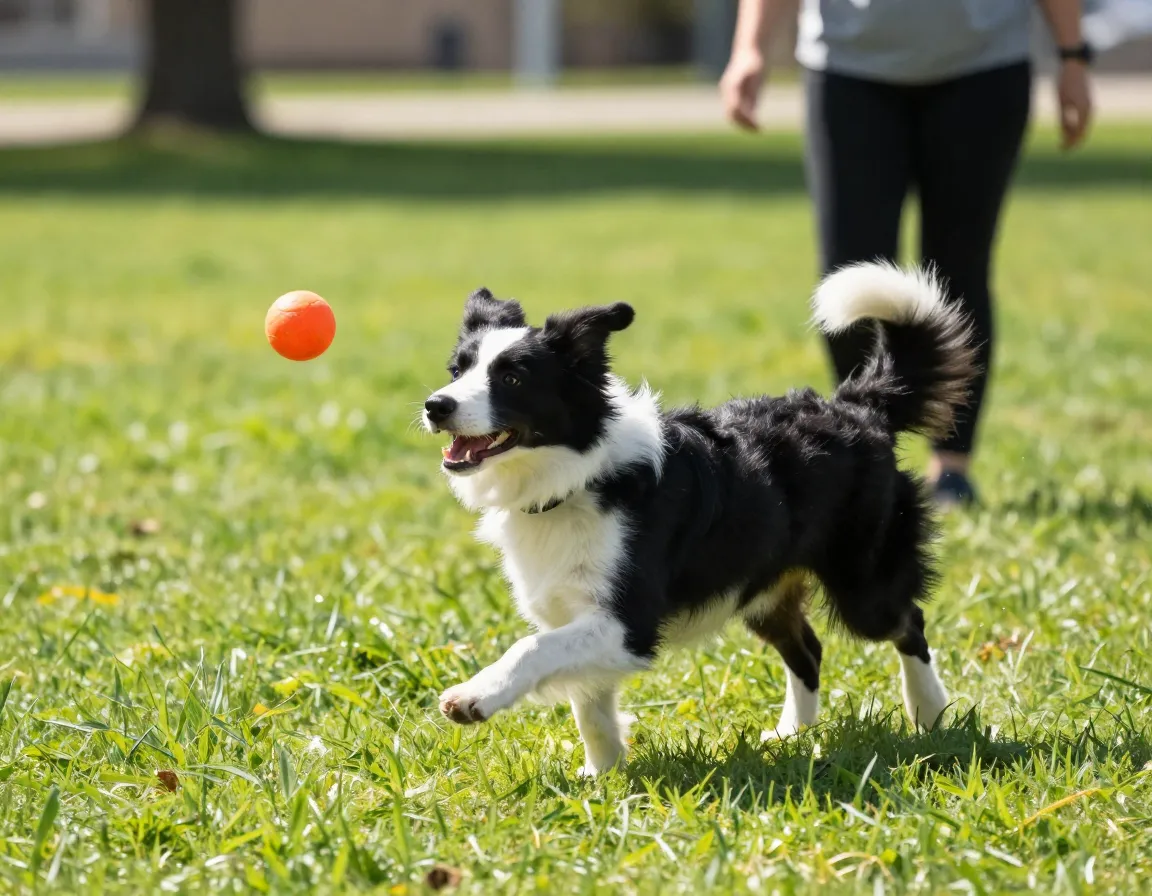
A 4-month-old puppy typically needs 20 minutes of exercise twice daily, as lack of stimulation often causes increased mouthing [6]. Tired puppies are generally better-behaved puppies, with less energy to channel into inappropriate biting.
Exercise Guidelines by Age:
- 8-12 weeks: 5 minutes per month of age, twice daily
- 3-4 months: 15-20 minutes, twice daily
- 4-6 months: 20-30 minutes, twice daily
- 6+ months: 30+ minutes, twice daily
Mental Stimulation Activities:
- Puzzle feeders that make meals more challenging
- Hide and seek games with treats around the house
- Basic obedience training sessions
- Sniffing games using scattered treats
- Interactive toys that respond to puppy’s actions
Non-Contact Play Options:
Encourage fetch, tug-of-war, and similar games over wrestling and rough hand play [4][5]. These activities provide outlets for energy without encouraging mouth-to-human contact.
Creating a Comprehensive Training Schedule
Successful implementation of these 7 effective puppy training tips for biting and nipping requires structure and consistency. Here’s a sample daily schedule that incorporates all elements:
Morning Routine (7:00 AM – 9:00 AM):
- Potty break and brief exercise
- Breakfast in puzzle feeder
- 10-minute training session focusing on “Drop it” and “Open” commands
- Free play with appropriate toys
Midday Session (12:00 PM – 1:00 PM):
- Exercise and mental stimulation activities
- Practice redirection techniques during play
- Enforce attention removal for any inappropriate biting
Evening Training (6:00 PM – 8:00 PM):
- Longer exercise session
- Clicker training practice
- Family interaction time with consistent bite inhibition enforcement
- Calm-down period in puppy zone if needed
Common Mistakes to Avoid
Even with the best intentions, many puppy owners make mistakes that can hinder progress. Here are the most common pitfalls:
❌ Inconsistent Responses:
Different family members using different techniques confuses puppies and slows learning.
❌ Delayed Reactions:
Waiting even a few seconds to respond reduces the effectiveness of training.
❌ Punishment-Based Methods:
Yelling, hitting, or intimidating puppies can increase fear and aggression [5].
❌ Insufficient Exercise:
Expecting good behavior from a puppy with excess energy is unrealistic.
❌ Giving Up Too Soon:
Most puppies reduce excessive biting between 4-6 months with consistent training [7], but some may take longer.
Troubleshooting Persistent Biting Issues
If your puppy continues to bite despite consistent application of these techniques, consider these additional strategies:
When to Seek Professional Help
- Biting intensity increases rather than decreases over time
- Puppy shows signs of aggression beyond normal play behavior
- Multiple family members are struggling with implementation
- No improvement after 4-6 weeks of consistent training
Advanced Techniques
Impulse Control Exercises:
- “Wait” commands before meals
- “Stay” practice during exciting activities
- Delayed gratification training with treats
Structured Socialization:
- Puppy classes with other well-behaved dogs
- Controlled interactions with calm adult dogs
- Exposure to various environments and stimuli
The Long-Term Benefits of Proper Bite Inhibition Training
Investing time in these 7 effective puppy training tips for biting and nipping creates lasting benefits that extend far beyond the puppy months:
🏆 Improved Safety:
- Reduced risk of accidental injury to family members
- Better interactions with children and elderly family members
- Increased confidence in social situations
🏆 Stronger Bond:
- Enhanced trust between puppy and family
- More enjoyable play and interaction sessions
- Reduced stress for all household members
🏆 Future Training Success:
- Established communication patterns for advanced training
- Better impulse control for other behavioral challenges
- Foundation for lifelong learning and adaptation
Conclusion
Successfully implementing these 7 effective puppy training tips for biting and nipping requires patience, consistency, and understanding that this is a normal part of puppy development. Remember that most puppies naturally reduce excessive biting between 4-6 months with proper guidance [7].
The key to success lies in starting early, using positive reinforcement methods, and providing appropriate outlets for your puppy’s natural behaviors. By teaching essential commands, redirecting to appropriate toys, using bite inhibition techniques, removing attention for unwanted behavior, and ensuring adequate exercise, you’re setting your puppy up for a lifetime of appropriate interaction with humans.
Your Next Steps:
- Choose one technique from this list to focus on this week
- Ensure all family members understand and commit to consistent implementation
- Stock up on appropriate toys and training treats
- Set up a daily training schedule that fits your routine
- Track your puppy’s progress and celebrate small victories
Remember, every puppy learns at their own pace. Stay patient, remain consistent, and don’t hesitate to seek professional help if you encounter persistent challenges. With dedication and the right approach, your sharp-toothed puppy will transform into a well-mannered companion who understands appropriate play behavior.
The investment you make in proper bite inhibition training today will pay dividends throughout your dog’s entire life, creating a safer, more enjoyable relationship for everyone involved.
References
[1] Puppy Nipping – https://clickertraining.com/puppy-nipping/
[2] Puppy Nipping And Biting – https://www.preventivevet.com/dogs/puppy-nipping-and-biting
[3] How To Stop A Dog From Biting – https://www.masterclass.com/articles/how-to-stop-a-dog-from-biting
[4] How To Teach Your Puppy To Stop Biting – https://www.eukanuba.com/nz/articles/training/how-to-teach-your-puppy-to-stop-biting
[5] Mouthing Nipping And Biting Puppies – https://www.aspca.org/pet-care/dog-care/common-dog-behavior-issues/mouthing-nipping-and-biting-puppies
[6] How To Stop A Puppy From Biting – https://www.petpalaceresort.com/how-to-stop-a-puppy-from-biting/
[7] How To Stop Puppy Biting – https://www.pawlicy.com/blog/how-to-stop-puppy-biting/