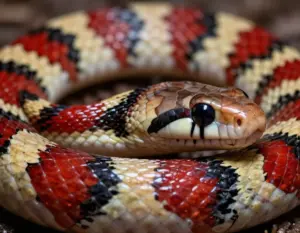
6 Stunning Ball Python Colors & Morphs to Know Before You Buy
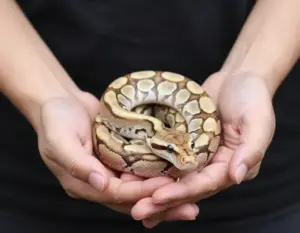
The world of ball python morphs has exploded into a breathtaking kaleidoscope of colors and patterns that would make any reptile enthusiast’s heart skip a beat. With over 6,000 documented combinations and new discoveries emerging regularly, choosing the perfect ball python can feel overwhelming for both beginners and experienced keepers alike.
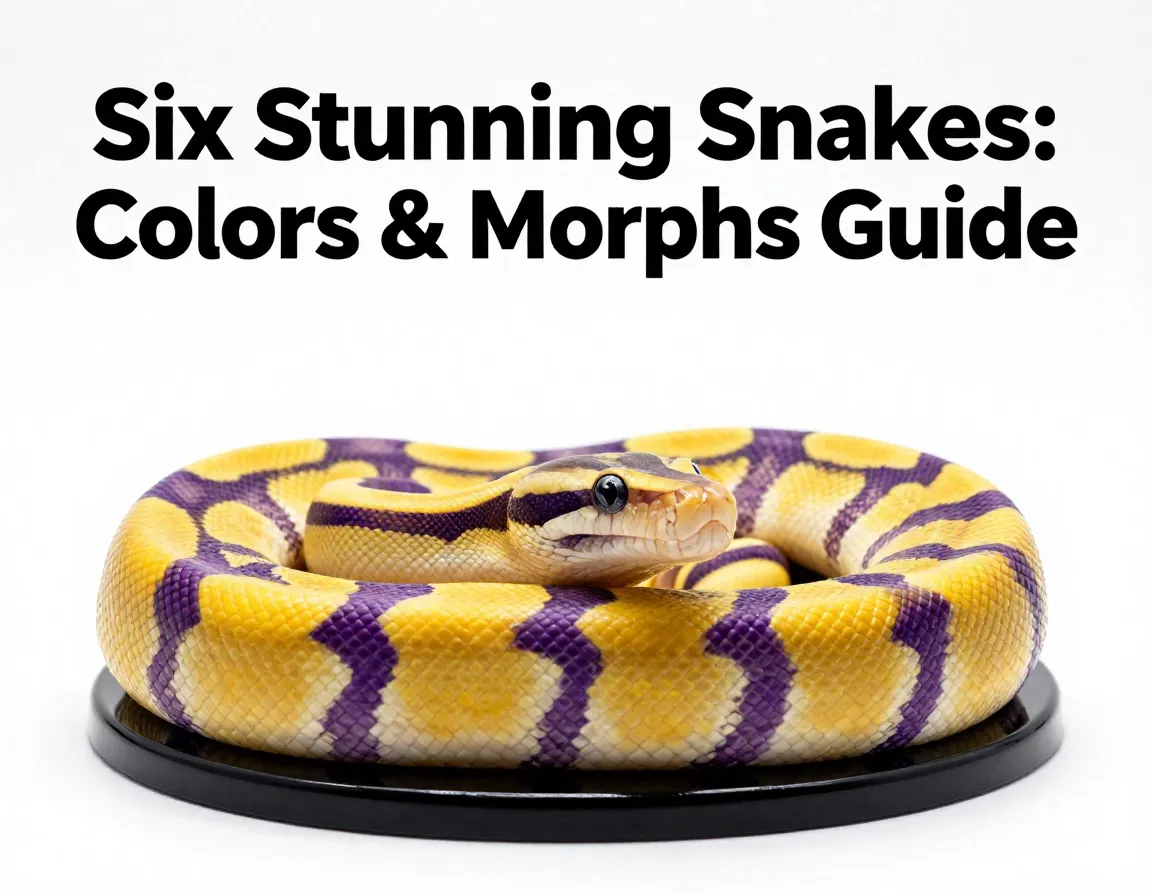
Understanding the 6 stunning ball python colors & morphs to know before you buy is essential for making an informed decision that aligns with your budget, experience level, and aesthetic preferences. These remarkable genetic variations showcase nature’s incredible diversity, ranging from snow-white specimens with piercing blue eyes to vibrant golden pythons that shimmer like liquid sunshine.
Key Takeaways
- Albino and Piebald morphs are classic choices offering striking visual appeal at moderate price points, perfect for beginners seeking something special
- Banana and Blue-Eyed Leucistic morphs represent premium options with exceptional beauty but require higher investment and careful breeding considerations
- Champagne and Spider morphs provide unique characteristics with specific care requirements and genetic considerations that buyers must understand
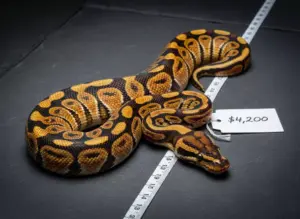
- Pricing varies dramatically from $200 for basic morphs to $50,000+ for rare combinations, making research crucial before purchasing
- Genetic compatibility and health factors should always be prioritized over appearance when selecting breeding pairs or pet pythons
Understanding Ball Python Morphs: The Foundation of Your Decision
Ball python morphs represent genetic variations that alter the snake’s appearance through changes in color, pattern, or both. These mutations occur naturally in wild populations but have been selectively bred in captivity to create the stunning varieties available today.
The term “morph” encompasses several genetic mechanisms:
Recessive morphs require both parents to carry the gene for offspring to display the trait. Examples include albino, piebald, and clown morphs. These often command higher prices due to breeding complexity.
Dominant morphs only need one parent carrying the gene for some offspring to express the trait. Spider, pinstripe, and champagne fall into this category, making them more readily available.
Co-dominant morphs create visual changes in heterozygous form and even more dramatic effects when bred together. Banana, coral glow, and pastel represent popular co-dominant options.
Understanding these genetic foundations helps buyers make informed decisions about future breeding projects and expected offspring outcomes.
1. Albino Ball Python: The Classic Beauty That Started It All
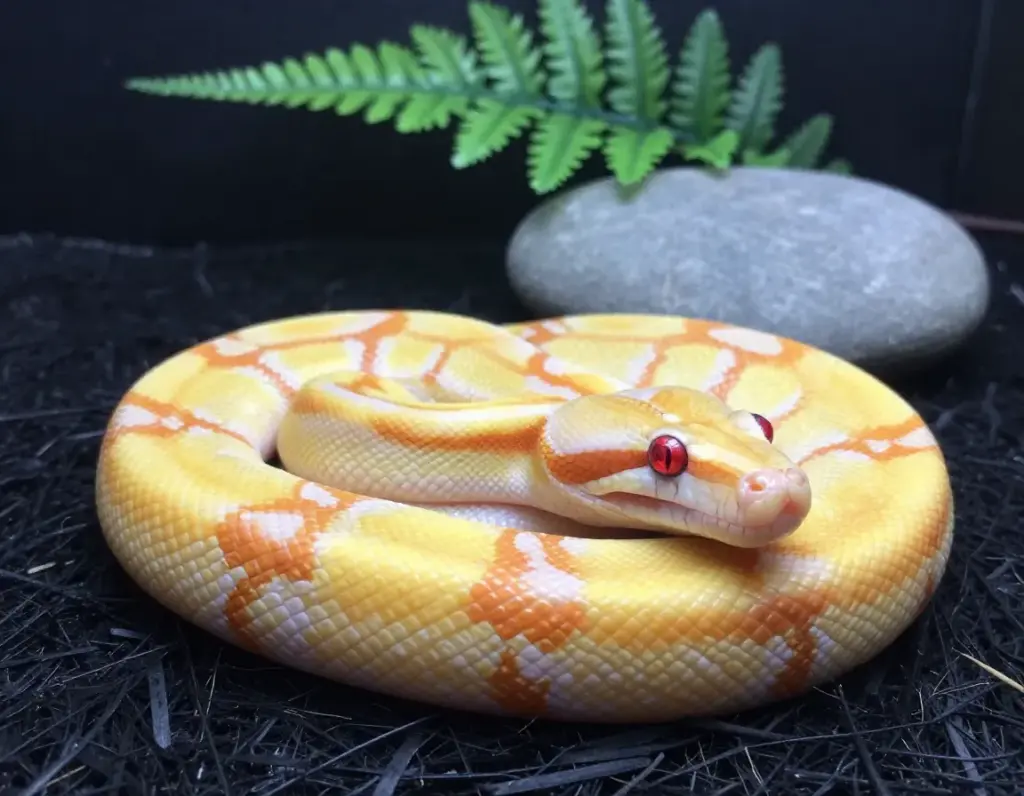
The albino ball python stands as one of the most recognizable and beloved morphs in the reptile community. This stunning recessive morph eliminates all melanin production, resulting in a snake adorned in brilliant yellows, oranges, and whites with distinctive red or pink eyes.
Visual Characteristics:
- Bright yellow base coloration with white belly
- Orange to red-orange pattern elements
- Pink to red eyes lacking pigmentation
- Crisp contrast between light and dark areas
- Maintains classic ball python banding patterns
Price Range and Availability:
Albino ball pythons typically cost between $300-$800 depending on quality, lineage, and breeder reputation. Their established genetics and widespread availability make them accessible to most enthusiasts without breaking the bank.
Care Considerations:
These morphs require standard ball python care with one important exception: enhanced UV protection. Their lack of melanin makes them more sensitive to bright lighting, so provide adequate hiding spots and avoid intense basking lights.
Breeding Potential:
As a recessive trait, breeding albinos requires both parents to carry the gene. Pairing two albinos produces 100% albino offspring, while breeding an albino to a normal produces all heterozygous carriers.
“Albino ball pythons represent the perfect entry point into the morph world – they’re stunning, affordable, and have predictable genetics that make breeding straightforward.” – Reptile Breeding Specialist
2. Piebald Ball Python: Nature’s Living Artwork
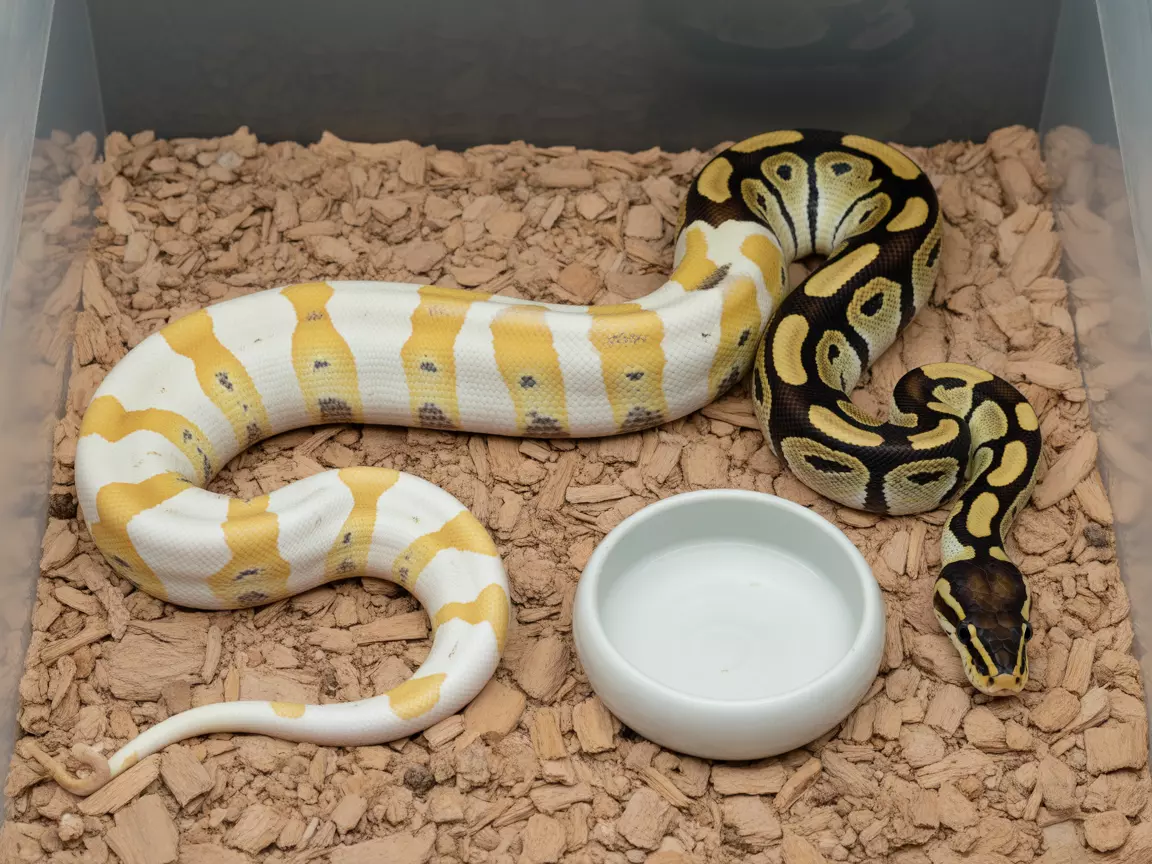
The piebald morph creates some of the most dramatically beautiful ball pythons through its unique pattern-breaking genetics. This recessive trait produces snakes with large white patches interrupting the normal pattern, creating a stunning patchwork effect that’s truly one-of-a-kind.
Visual Characteristics:
- Large white patches covering 20-80% of the body
- Normal coloration in non-white areas
- Unpredictable pattern placement makes each snake unique
- Often features white belly extending up the sides
- May include white head markings or “alien heads”
Price Range and Market Value:
Quality piebald ball pythons range from $1,500-$5,000 depending on the percentage of white coverage and pattern quality. High-white specimens with interesting markings command premium prices.
Genetic Considerations:
Piebald follows simple recessive inheritance, requiring both parents to carry the gene. However, the expression varies dramatically – some offspring show minimal white while others display extensive coverage.
Special Care Requirements:
Piebald pythons need standard care but benefit from slightly higher humidity (60-70%) to maintain proper shed cycles, especially around white pattern borders where stuck shed commonly occurs.
Investment Potential:
High-quality piebalds hold their value well and remain consistently popular among collectors and pet owners alike, making them excellent long-term investments.
3. Banana Ball Python: The Golden Treasure of Reptile Keeping
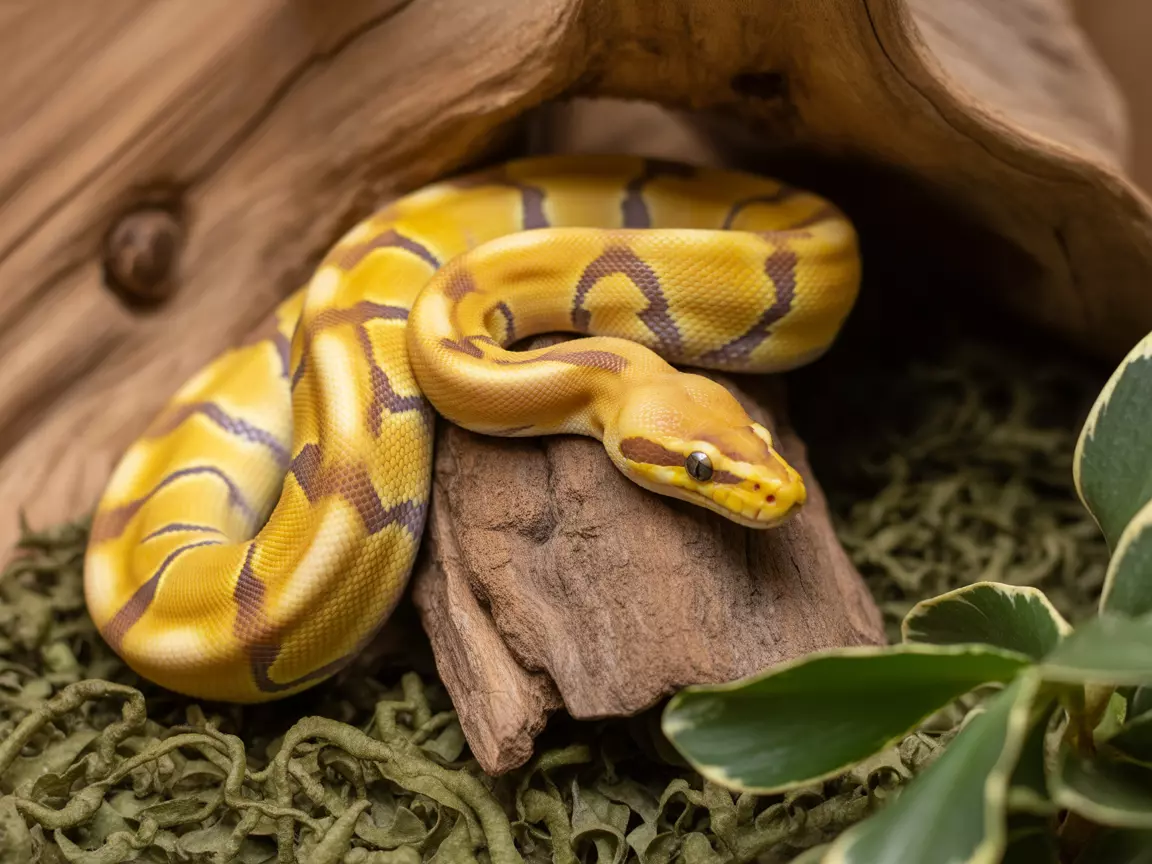
The banana morph represents one of the most sought-after co-dominant traits in ball python breeding. These magnificent serpents display vibrant yellow and purple coloration that intensifies with age, creating living jewels that captivate everyone who sees them.
Visual Characteristics:
- Bright yellow base color with purple accents
- Color intensity increases with maturity
- Distinctive “banana” yellow hue throughout
- Purple blushing on pattern elements
- Often develops pink or lavender undertones
Market Value and Investment:
Banana ball pythons typically cost $400-$1,200 for single-gene animals, while super banana (homozygous) specimens can reach $2,000-$4,000. Their popularity ensures strong resale value.
Breeding Advantages:
As a co-dominant trait, banana morphs offer excellent breeding potential:
- Banana x Normal = 50% banana offspring
- Banana x Banana = 25% super banana, 50% banana, 25% normal
- Compatible with most other morphs for stunning combinations
Gender-Linked Characteristics:
Interestingly, male and female banana ball pythons often display different color intensities, with males typically showing more vibrant yellows and females developing richer purple tones.
Care Requirements:
Standard ball python husbandry applies, though many keepers report banana morphs being particularly hardy and easy-going, making them excellent choices for intermediate keepers.
4. Blue-Eyed Leucistic: The Snow-White Marvel
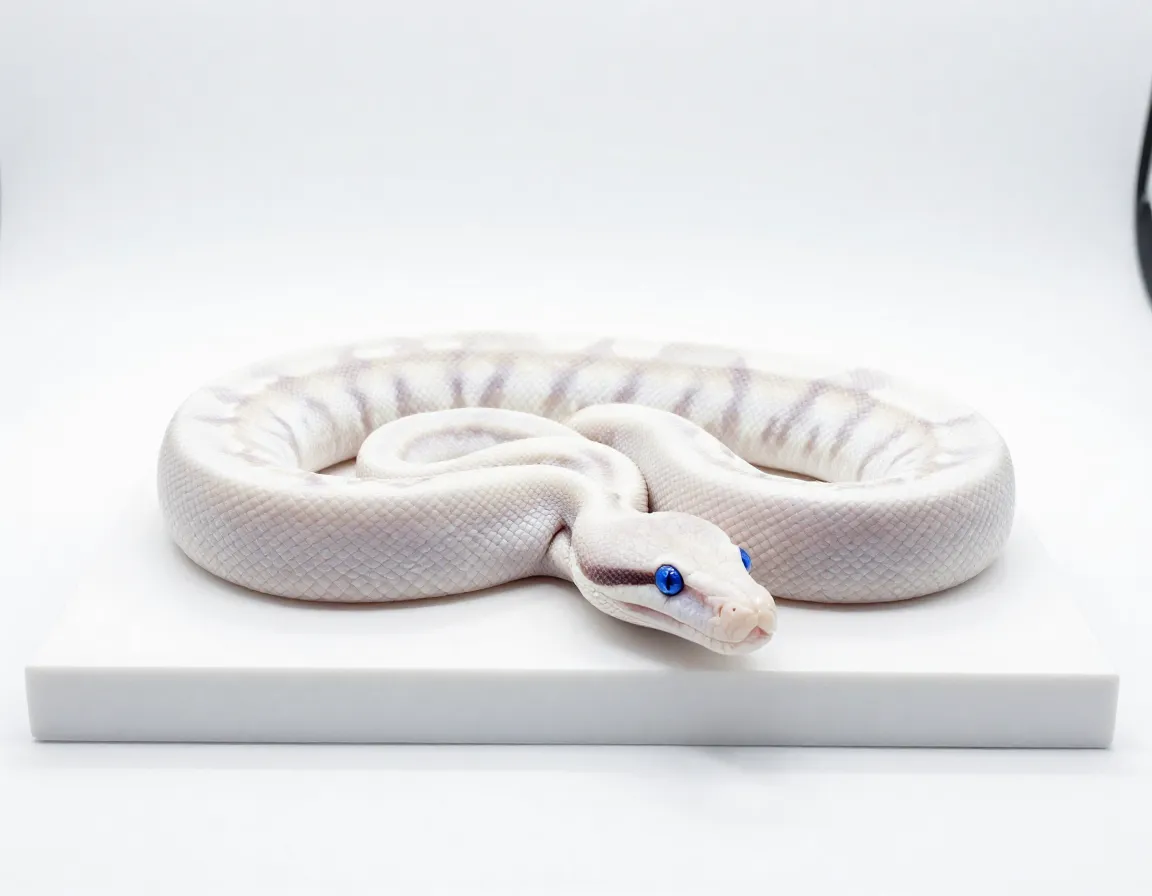
The blue-eyed leucistic (BEL) represents the pinnacle of ball python elegance through its pure white coloration and stunning blue eyes. This complex morph results from combining specific genes that eliminate pattern and color while preserving eye pigmentation.
Visual Characteristics:
- Pure white or cream-colored body
- Bright blue eyes
- Complete absence of pattern
- Subtle yellow or pink undertones possible
- Maintains normal scale texture and body proportions
Genetic Complexity:
Creating BEL ball pythons requires combining compatible genes such as:
- Lesser + Mojave
- Butter + Lesser
- Phantom + Mojave
- Other proven combinations
Price Range and Exclusivity:
Blue-eyed leucistic ball pythons command $1,500-$8,000 depending on the genetic combination used to create them. Proven breeding females often exceed $10,000 due to their reproductive value.
Care Considerations:
BEL pythons require enhanced protection from bright lights similar to albinos. Their white coloration shows dirt easily, necessitating clean substrate and regular maintenance.
Breeding Strategy:
Each BEL combination offers different breeding outcomes, making genetic planning crucial for successful projects. Research specific gene interactions before committing to breeding programs.
5. Champagne Ball Python: The Subtle Sophisticate
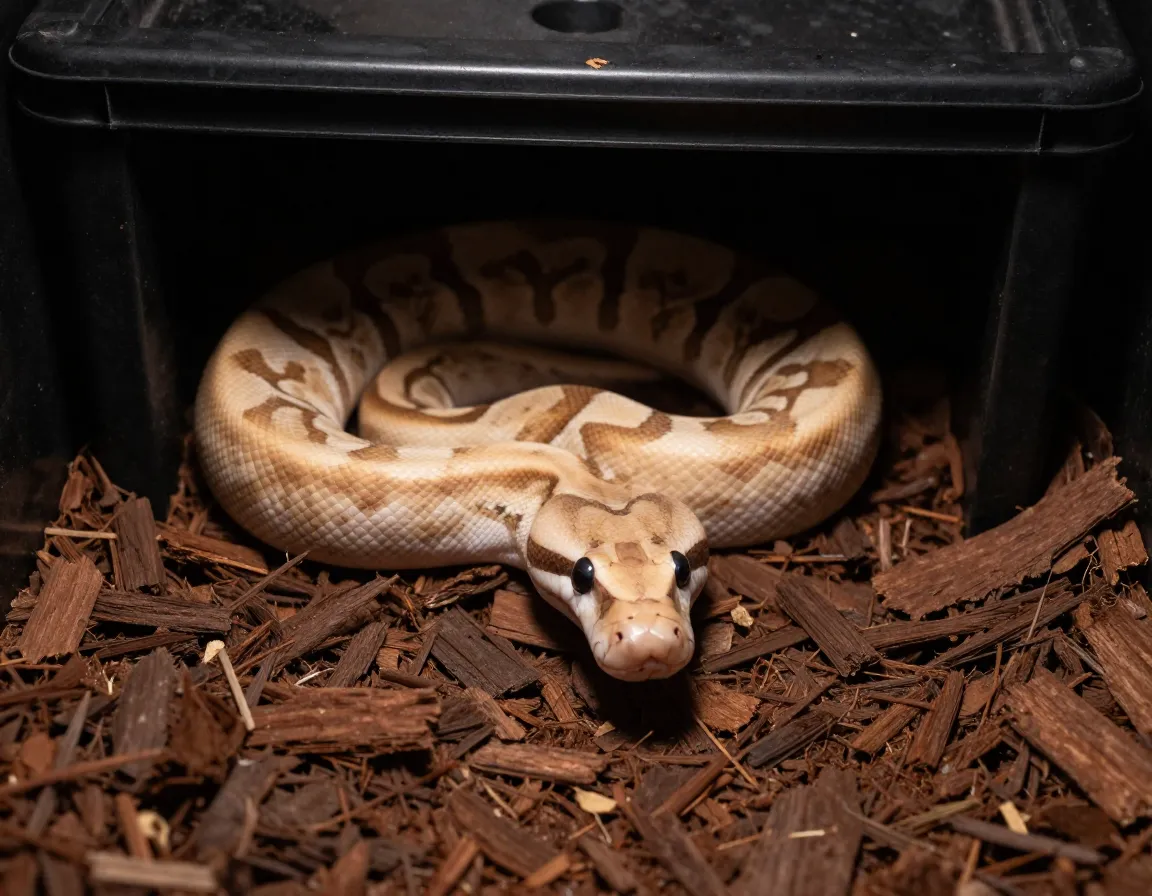
The champagne morph brings understated elegance to ball python keeping through its refined color palette and distinctive pattern modifications. This dominant trait creates beautiful tan and brown snakes with reduced contrast that appeals to keepers preferring subtle beauty.
Visual Characteristics:
- Light tan to champagne-colored base
- Reduced pattern contrast
- Brown to dark tan markings
- Often displays “blushing” on sides
- Clean, refined appearance throughout
Accessibility and Pricing:
Champagne ball pythons offer excellent value at $200-$600 for quality specimens. Their dominant genetics make them readily available and affordable for most budgets.
Breeding Benefits:
The dominant nature of champagne provides immediate visual results:
- 50% of offspring display the champagne trait when bred to normals
- Combines beautifully with other morphs
- Super champagne creates even lighter coloration
Special Considerations:
Some champagne lines may carry wobble genetics similar to spider morphs, though this occurs less frequently. Research bloodlines carefully before purchasing breeding animals.
Versatility in Collections:
Champagne morphs serve as excellent foundation animals for building diverse collections, as they enhance rather than overpower other genetic combinations.
6. Spider Ball Python: The Controversial Beauty
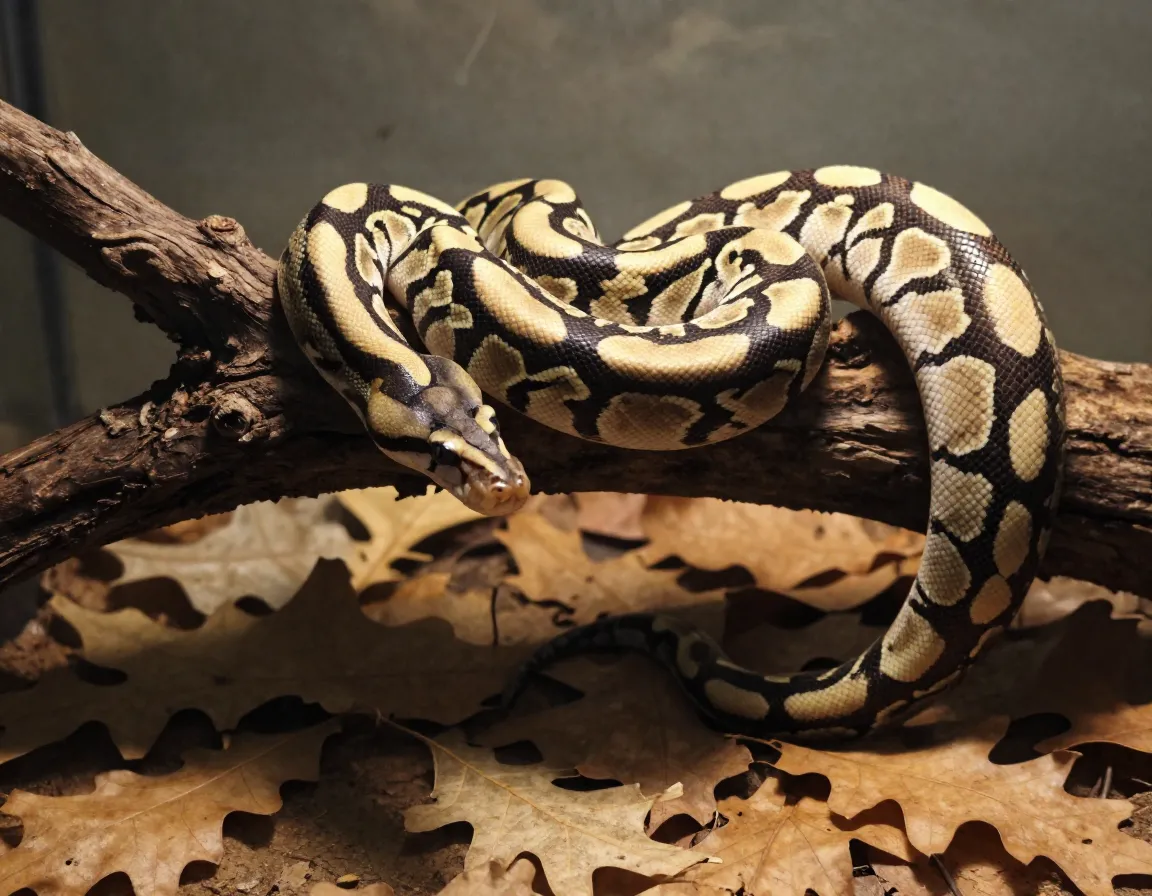
The spider morph generates intense discussion within the ball python community due to its stunning appearance coupled with associated neurological characteristics. These snakes display remarkable pattern reduction and color changes that create truly unique specimens.
Visual Characteristics:
- Significantly reduced pattern elements
- Light tan to yellow base coloration
- Distinctive “spider webbing” pattern
- Often features “alien head” markings
- Highly variable expression between individuals
The Wobble Consideration:
Spider ball pythons may exhibit varying degrees of neurological symptoms including:
- Head wobbling or corkscrewing
- Difficulty striking prey accurately
- Stress-induced symptoms that worsen with handling
- Variable severity from barely noticeable to significant
Ethical Breeding Discussions:
The reptile community remains divided on spider morph breeding:
- Supporters argue mild cases live normal lives with proper care
- Critics advocate avoiding wobble-associated morphs entirely
- Moderate positions suggest careful selection and responsible breeding
Market Position:
Spider ball pythons cost $150-$500 depending on quality and market sentiment. Prices have declined as awareness of wobble issues has increased.
Care Modifications:
Spiders with wobble symptoms benefit from:
- Reduced handling during feeding
- Stable, stress-free environments
- Modified feeding techniques when necessary
- Regular veterinary monitoring
Making Your Decision: Factors Beyond Beauty
Selecting from these 6 stunning ball python colors & morphs to know before you buy requires considering multiple factors beyond visual appeal. Smart buyers evaluate their situation holistically before making commitments.
Budget Considerations:
- Initial purchase price varies dramatically
- Factor in setup costs ($300-$800 for proper equipment)
- Ongoing expenses include food, utilities, and veterinary care
- Consider future breeding investment potential
Experience Level Matching:
- Beginners: Start with albino, champagne, or normal morphs
- Intermediate: Explore banana, piebald, or lesser combinations
- Advanced: Consider complex projects involving BEL or multi-gene combinations
Long-term Goals:
- Pet-only keepers can focus purely on visual preferences
- Breeding projects require genetic compatibility planning
- Investment potential varies significantly between morphs
Space and Setup Requirements:
All ball pythons need similar care regardless of morph:
- Enclosure: 40-gallon minimum for adults
- Temperature: 78-80°F cool side, 88-92°F warm side
- Humidity: 50-60% with occasional spikes to 70%
- Hiding spots: Secure options on both temperature sides
The Future of Ball Python Morphs
The ball python morph market continues evolving rapidly with new discoveries and combinations emerging regularly. Understanding current trends helps buyers make informed decisions about their investments.
Emerging Trends:
- Complex combinations involving 5+ genes gaining popularity
- Scaleless morphs creating entirely new texture variations
- Pattern mutations like clown and desert gaining recognition
- Color intensifiers enhancing existing morphs
Market Predictions:
Industry experts anticipate continued growth in:
- Mid-range morphs ($500-$2,000) for serious hobbyists
- Proven breeding females commanding premium prices
- Unique combinations with documented genetics
Technology Integration:
Modern breeding programs utilize:
- Genetic tracking software for lineage management
- Digital marketplaces connecting buyers and sellers globally
- Educational platforms sharing care and breeding information
Conclusion
The 6 stunning ball python colors & morphs to know before you buy represent just a fraction of the incredible diversity available in today’s market. From the classic beauty of albino specimens to the pure elegance of blue-eyed leucistics, each morph offers unique characteristics that appeal to different keepers and budgets.
Success in ball python ownership depends on matching your choice to your experience level, budget, and long-term goals. Beginners should prioritize hardy, well-established morphs like albinos or champagnes that offer visual appeal without complex care requirements. Experienced keepers can explore premium options like BEL combinations or invest in proven breeding females for future projects.
Immediate Action Steps:
- Research reputable breeders in your area or online with positive reviews and health guarantees
- Prepare proper housing before bringing your new python home
- Connect with local reptile communities for ongoing support and advice
- Budget for long-term care including veterinary expenses and equipment upgrades
- Consider starting with a single animal to gain experience before expanding your collection
Remember that beyond their stunning appearance, ball pythons are 20-30 year commitments requiring consistent care, proper housing, and regular veterinary attention. Choose wisely, prepare thoroughly, and enjoy the incredible journey of ball python ownership that awaits.
The world of ball python morphs offers endless possibilities for discovery, breeding projects, and simple appreciation of nature’s remarkable genetic artistry. Whether you choose a classic albino or invest in a premium blue-eyed leucistic, you’re joining a passionate community dedicated to these magnificent serpents.