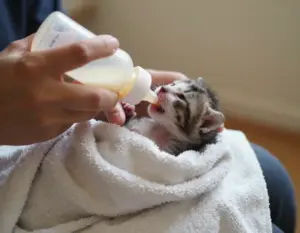
6 Crucial Steps on How to Care for Newborn Kittens: A Complete Guide for 2026 🐱
When tiny, helpless kittens arrive in your life—whether through rescue, an unexpected litter, or fostering—their survival depends entirely on your immediate actions and knowledge. These fragile newborns cannot regulate their body temperature, eliminate waste independently, or even open their eyes for the first week of life. Understanding the 6 crucial steps on how to care for newborn kittens can mean the difference between life and death for these vulnerable babies.
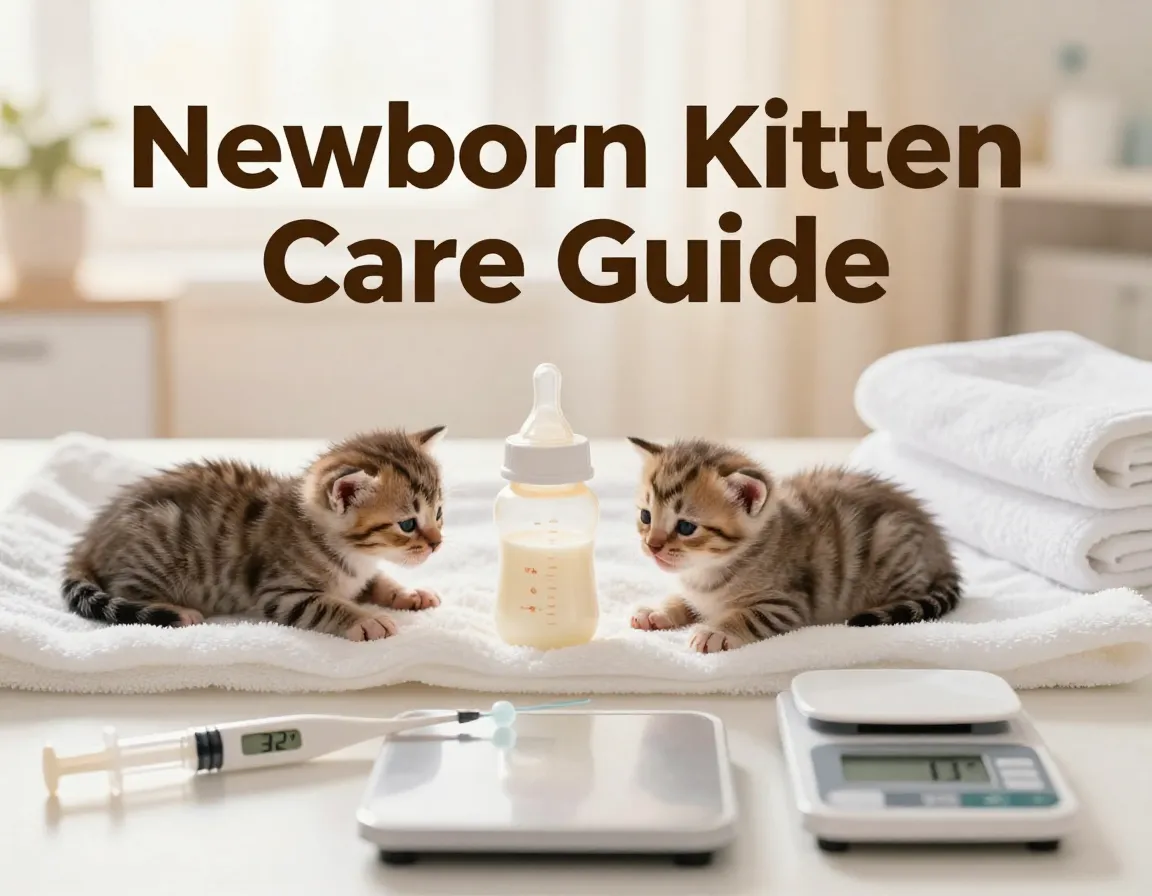
Caring for newborn kittens requires round-the-clock dedication, specialized knowledge, and unwavering commitment. Unlike adult cats who can fend for themselves, these tiny creatures need constant attention, precise feeding schedules, and carefully controlled environments to thrive during their first critical weeks of life.
Key Takeaways
- Temperature control is vital: Newborn kittens cannot regulate body temperature and require external heat sources maintained at 29°C–32°C for the first week
- Frequent feeding saves lives: Kittens need feeding every 2-4 hours around the clock using specialized kitten milk replacer, never cow’s milk
- Proper hygiene prevents disease: Sterilize all equipment, wear gloves during handling, and assist with elimination since kittens cannot urinate or defecate independently
- Monitor weight gain daily: Healthy kittens should gain 10-14 grams per day, and any deviation requires immediate veterinary attention
- Early veterinary care is essential: Schedule the first vet visit at 6-8 weeks for vaccinations, deworming, and comprehensive health evaluation
Understanding Newborn Kitten Development and Needs
Before diving into the 6 crucial steps on how to care for newborn kittens, it’s essential to understand what makes these tiny creatures so vulnerable. Newborn kittens are born completely dependent on their mother or caregiver for survival. They enter the world blind, deaf, and unable to maintain their body temperature [9].
During their first two weeks of life, healthy newborn kittens should eat or sleep for approximately 90% of the time [10]. This extensive rest period is crucial for proper development and growth. Any deviation from this pattern—such as excessive crying, restlessness, or lethargy—can indicate serious health issues requiring immediate attention.
Critical Development Milestones
Week 1-2: Eyes remain closed, ears are folded, and kittens rely entirely on scent and touch to navigate their world. They cannot eliminate waste without stimulation and depend completely on external heat sources.
Week 3-4: Eyes begin to open, ears start to unfold, and kittens begin developing basic motor skills. This is when the weaning process typically begins with the introduction of soft foods.
Week 5-8: Kittens become increasingly mobile, start playing, and transition from milk to solid food. This period marks the beginning of socialization and preparation for eventual adoption.
1. Creating the Perfect Environment: Temperature and Housing Essentials
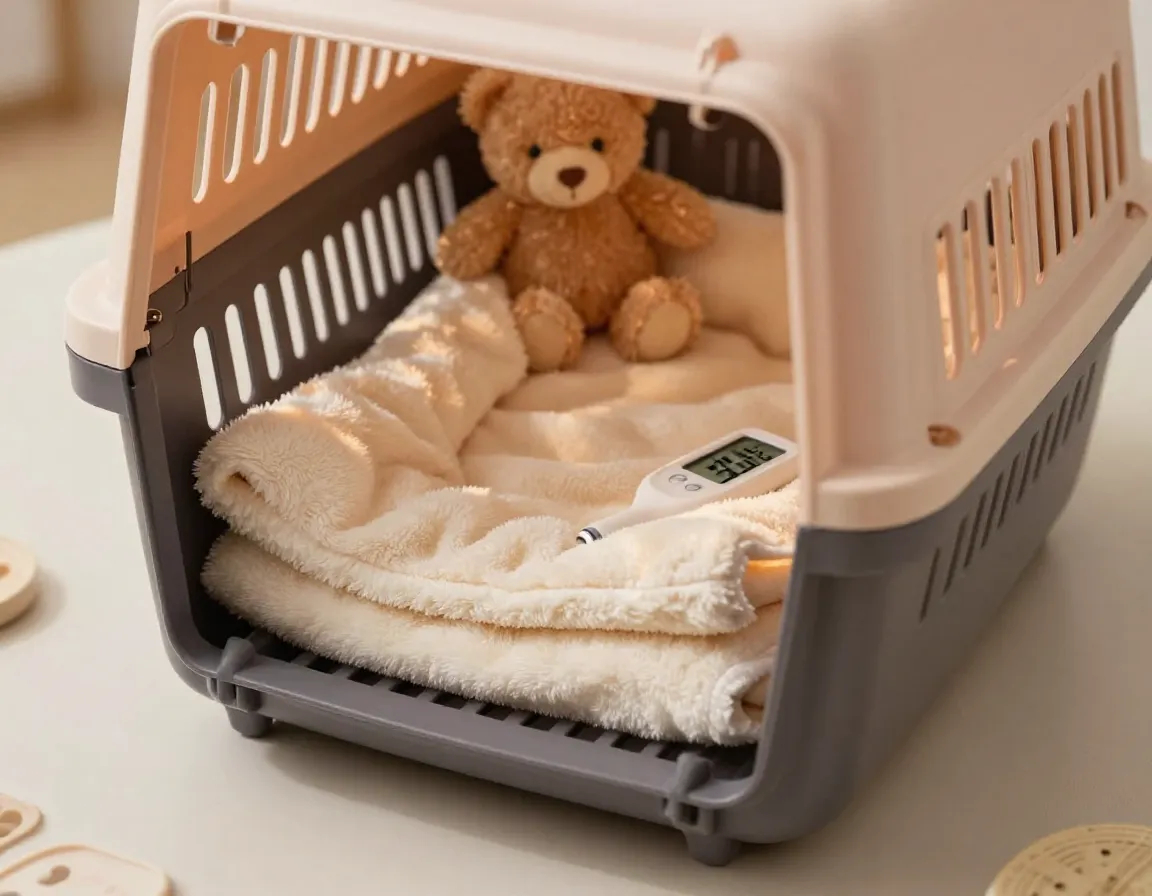
The first and most critical step in the 6 crucial steps on how to care for newborn kittens involves establishing a safe, warm environment that mimics the security of their mother’s care.
Temperature Requirements by Age
Maintaining proper temperature is literally a matter of life and death for newborn kittens. Their inability to regulate body temperature makes them extremely susceptible to hypothermia, which can be fatal within hours.
| Kitten Age | Required Temperature Range | Special Considerations |
|---|---|---|
| Week 1 | 29°C–32°C | Highest heat requirement |
| Week 2 | 26°C–30°C | Gradual temperature reduction |
| Week 3-4 | 24°C–26°C | Beginning self-regulation |
| 4+ weeks | Room temperature | Can maintain body heat |
Kittens cannot self-regulate body temperature until at least three weeks old [5], making external heat sources absolutely essential during this vulnerable period.
Housing Setup for Maximum Safety
Kittens under four weeks must be housed in small carriers with heating pads placed under blankets [3]. This setup provides security while ensuring proper temperature control. Never place heating pads directly under kittens, as this can cause burns or overheating.
Essential housing components include:
- Small carriers or boxes: Prevents kittens from wandering into dangerous areas
- Heating pads on low setting: Placed under half the carrier to create temperature gradient
- Soft blankets and towels: Multiple layers for comfort and easy cleaning
- Stuffed animals: Provide comfort and simulate mother’s presence
- Easy-to-clean surfaces: Essential for maintaining hygiene
💡 Pro Tip: Create a temperature gradient in the housing area by heating only one side. This allows kittens to move away from heat if they become too warm.
Safety Considerations
When setting up the environment, prioritize safety above all else:
- Secure all electrical cords from heating equipment
- Ensure adequate ventilation to prevent overheating
- Check temperature regularly with a reliable thermometer
- Provide easy access for frequent feeding and care
- Keep the area quiet to minimize stress
2. Mastering Feeding Protocols: Nutrition for Survival and Growth
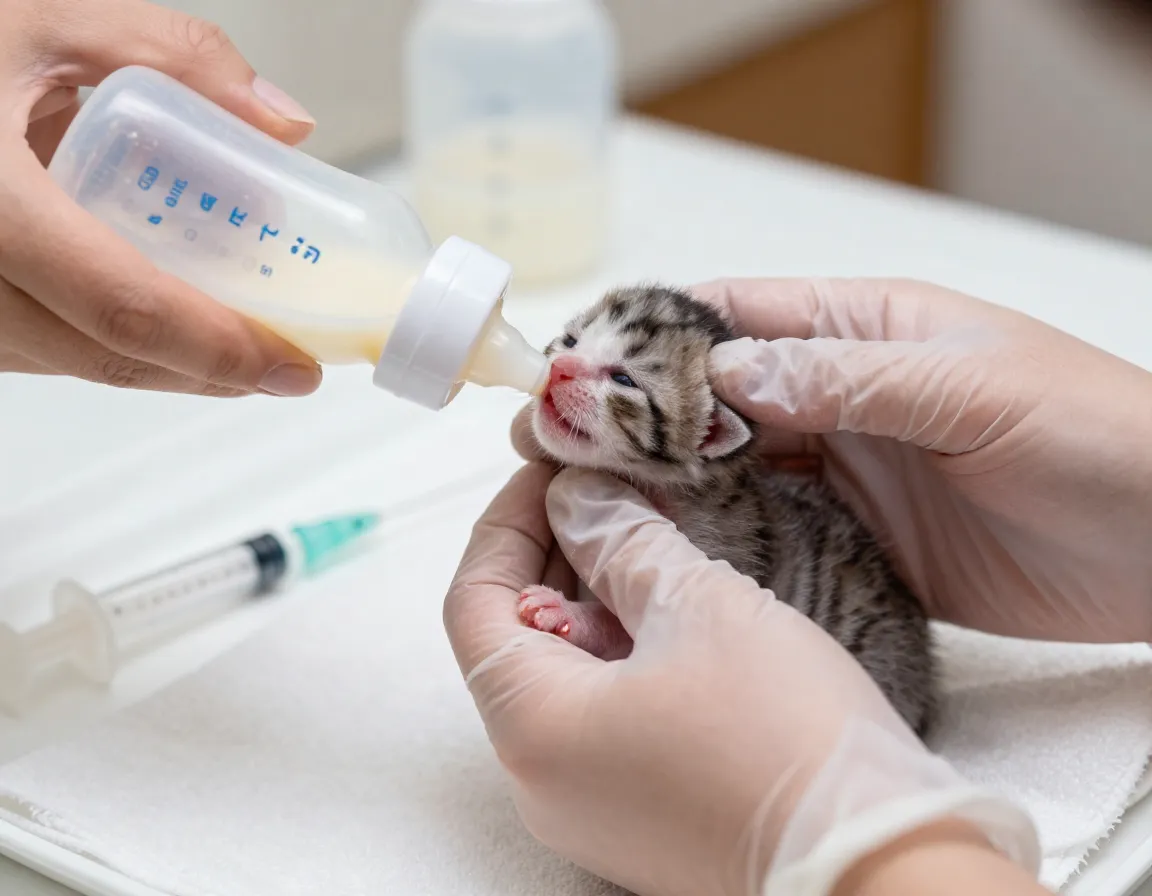
Proper nutrition forms the foundation of successful newborn kitten care and represents the second crucial step in the 6 crucial steps on how to care for newborn kittens. Without appropriate feeding protocols, even the most well-intentioned care efforts will fail.
Feeding Frequency and Timing
Newborn kittens require feeding every 2-4 hours including nighttime [1][2]. This demanding schedule continues for the first four weeks of life, requiring caregivers to set alarms for nighttime feedings. Consistency in feeding times helps establish healthy growth patterns and prevents dangerous blood sugar drops.
Age-Based Feeding Schedule
0-1 week old: Every 2 hours around the clock
1-2 weeks old: Every 2-3 hours around the clock
2-3 weeks old: Every 3-4 hours, may skip one nighttime feeding
3-4 weeks old: Every 4 hours, begin introducing soft food
Choosing the Right Nutrition
Always use commercial kitten milk replacer (KMR) rather than cow’s milk [1][2]. Cow’s milk lacks essential nutrients and can cause severe digestive upset, potentially leading to life-threatening diarrhea and dehydration.
Recommended milk replacers include:
- KMR (Kitten Milk Replacer)
- Esbilac Puppy Milk Replacer
- Goat’s milk (emergency substitute only)
Proper Feeding Techniques
Feeding newborn kittens requires patience, proper positioning, and sterile equipment to prevent aspiration pneumonia—a potentially fatal condition.
Essential feeding supplies:
- Kitten nursing bottles with appropriate nipple sizes
- Feeding syringes for precise measurement
- Sterilizing solution for cleaning equipment
- Soft towels for positioning and cleanup
Step-by-step feeding process:
- Warm the milk to body temperature (test on your wrist)
- Position kitten upright on stomach, never on back
- Allow kitten to suckle naturally at their own pace
- Watch for milk bubbles around the nose (sign of overfeeding)
- Burp gently by patting the back after feeding
Monitoring Intake and Weight Gain
Healthy weight gain is approximately 10–14 grams per day [1]. Daily weighing helps identify potential health issues before they become critical. Maintain detailed feeding and weight records to track progress and share with veterinarians.
Warning signs during feeding:
- Refusal to eat for more than one feeding
- Milk coming from nose during feeding
- Lethargy or weakness after eating
- Crying excessively before or after meals
- Visible weight loss or failure to gain weight
3. Essential Hygiene and Health Monitoring Practices
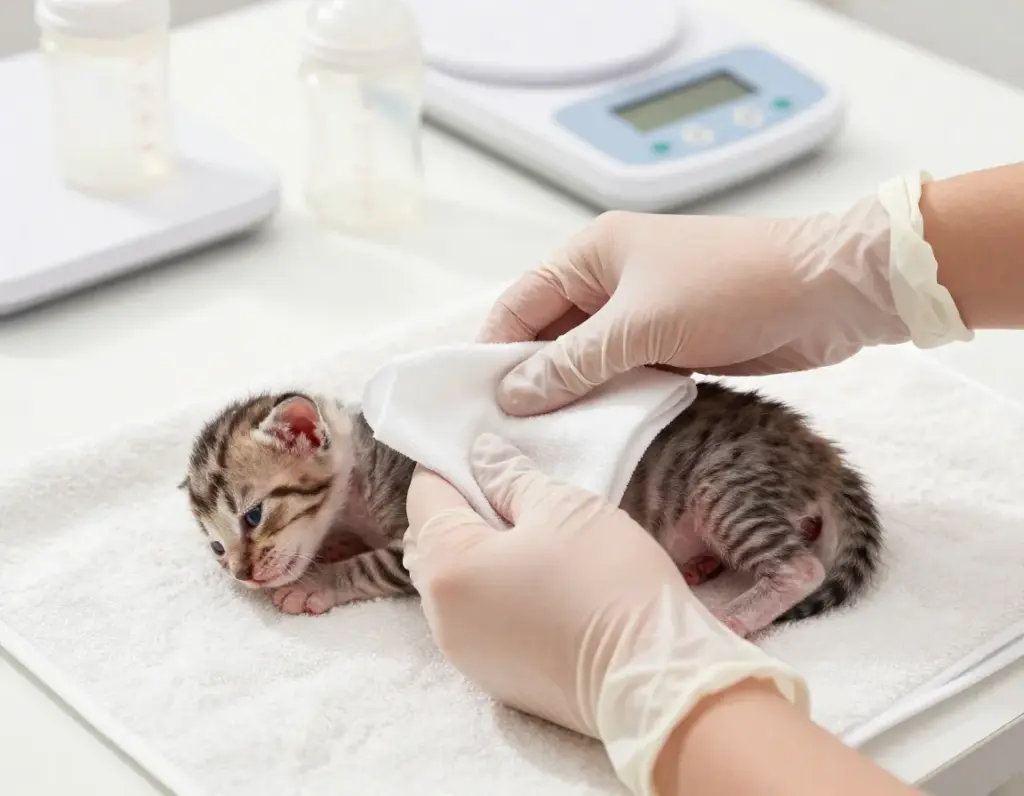
The third step in the 6 crucial steps on how to care for newborn kittens focuses on maintaining impeccable hygiene standards and vigilant health monitoring. Newborn kittens have virtually no immune system, making them extremely susceptible to infections and diseases.
Hygiene Protocols for Disease Prevention
Wear gloves during all handling, sanitize surfaces between kittens, and sterilize feeding bottles [3] to prevent cross-contamination and infection. These protocols become even more critical when caring for multiple kittens or fostering animals from unknown backgrounds.
Daily hygiene checklist:
- Wash hands thoroughly before and after handling
- Wear disposable gloves during feeding and elimination assistance
- Sterilize all feeding equipment between uses
- Clean housing area daily with pet-safe disinfectants
- Change bedding frequently to maintain cleanliness
- Isolate sick kittens immediately to prevent spread
Elimination Assistance Requirements
Newborn kittens cannot urinate or defecate independently until approximately 3-4 weeks of age. Mother cats typically stimulate elimination by licking the genital and anal areas. In the absence of the mother, caregivers must replicate this essential function.
Proper elimination stimulation technique:
- Use warm, damp cloth or cotton ball
- Gently stimulate genital and anal areas in circular motions
- Continue until kitten eliminates (may take several minutes)
- Perform after every feeding and several times between feedings
- Monitor output for signs of constipation or diarrhea
Health Monitoring and Warning Signs
Vigilant observation helps identify health issues before they become life-threatening. Lethargy, diarrhea, vomiting, motor skill delays, or refusal to eat indicate potential health issues requiring veterinary attention [2].
Daily health assessment checklist:
Physical appearance:
- Clear, bright eyes (once opened)
- Pink gums and tongue
- Clean nose without discharge
- Soft, rounded belly (not distended or sunken)
Behavioral indicators:
- Active suckling reflex
- Appropriate sleep patterns
- Normal elimination
- Steady weight gain
Emergency warning signs requiring immediate veterinary care:
- Temperature below 35°C or above 39°C
- Difficulty breathing or rapid breathing
- Pale or blue gums
- Persistent crying or complete lethargy
- Bloated or hard abdomen
- Blood in urine or stool
- Seizures or tremors
Record Keeping for Health Tracking
Maintain detailed records of:
- Daily weights and feeding amounts
- Elimination frequency and consistency
- Temperature readings (if taking rectal temperatures)
- Behavioral observations and any concerns
- Medication administration (if prescribed)
These records prove invaluable during veterinary consultations and help identify patterns or changes in health status.
Implementing the Complete Care Protocol: Steps 4-6
4. Establishing Proper Weaning and Nutrition Transition
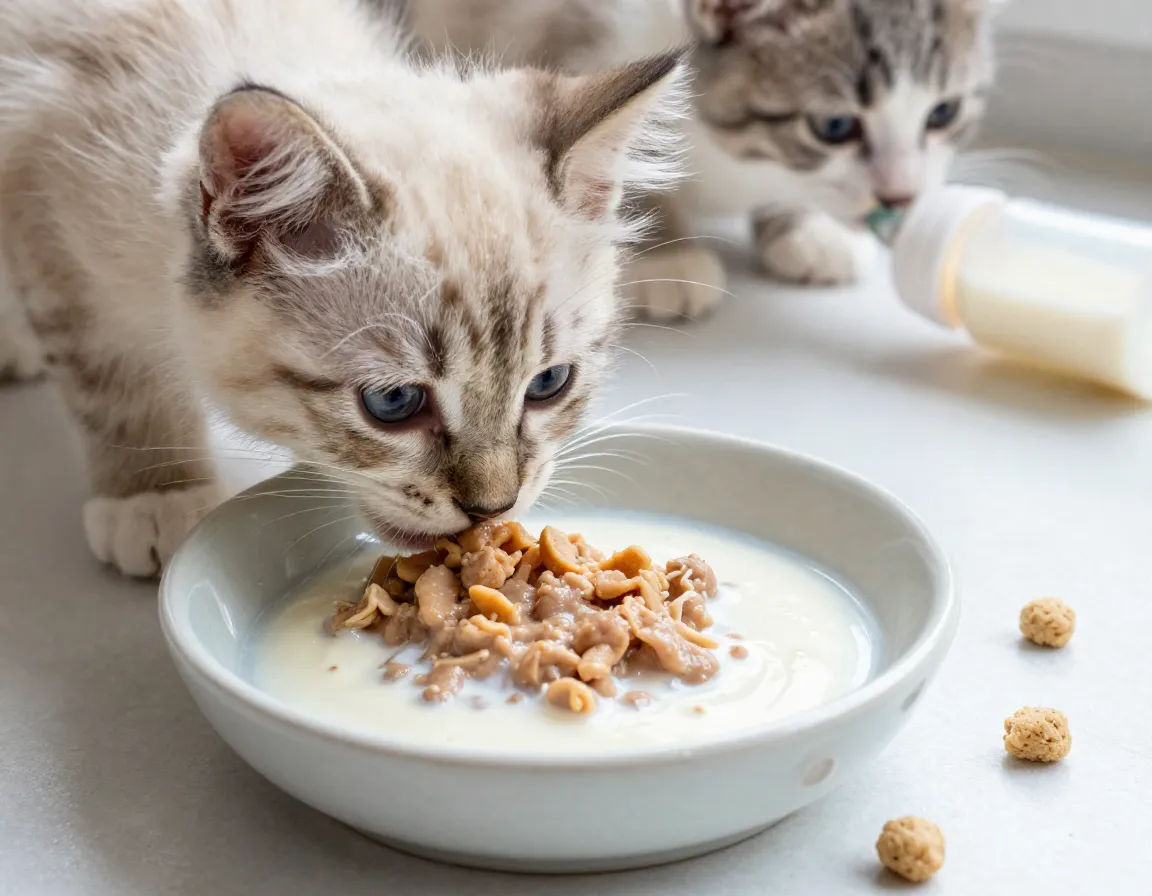
The fourth step in the 6 crucial steps on how to care for newborn kittens involves the critical transition from milk to solid food. This process requires careful timing and gradual introduction to prevent digestive upset while ensuring adequate nutrition for continued growth.
Begin introducing soft food (wet food mixed with milk replacer) at 3-4 weeks of age [1][5]. This marks the beginning of the weaning process, which should progress gradually over several weeks. The transition to full solid diet should be complete by 6-8 weeks [1].
Weaning Timeline and Process
Week 3-4: Introduction Phase
- Mix high-quality wet kitten food with milk replacer to create a gruel-like consistency
- Offer small amounts in shallow dishes 2-3 times daily
- Continue bottle feeding as the primary nutrition source
- Allow kittens to explore and play with food
Week 4-5: Transition Phase
- Gradually reduce milk replacer in food mixture
- Increase frequency of solid food offerings to 4-5 times daily
- Begin reducing bottle feeding frequency
- Introduce small amounts of dry kitten food softened with water
Week 6-8: Completion Phase
- Eliminate milk replacer from diet
- Offer primarily solid kitten food
- Provide fresh water in shallow bowls
- Monitor eating habits and adjust portions as needed
Nutritional Requirements During Weaning
Choose high-quality kitten food specifically formulated for growth and development. Kitten food contains higher protein, fat, and calorie content compared to adult cat food, supporting the rapid growth occurring during this period.
Key nutritional components:
- Protein: 30-35% minimum for muscle development
- Fat: 15-20% for energy and brain development
- DHA: Essential for cognitive and visual development
- Calcium and phosphorus: Proper ratios for bone growth
5. Veterinary Care and Vaccination Scheduling
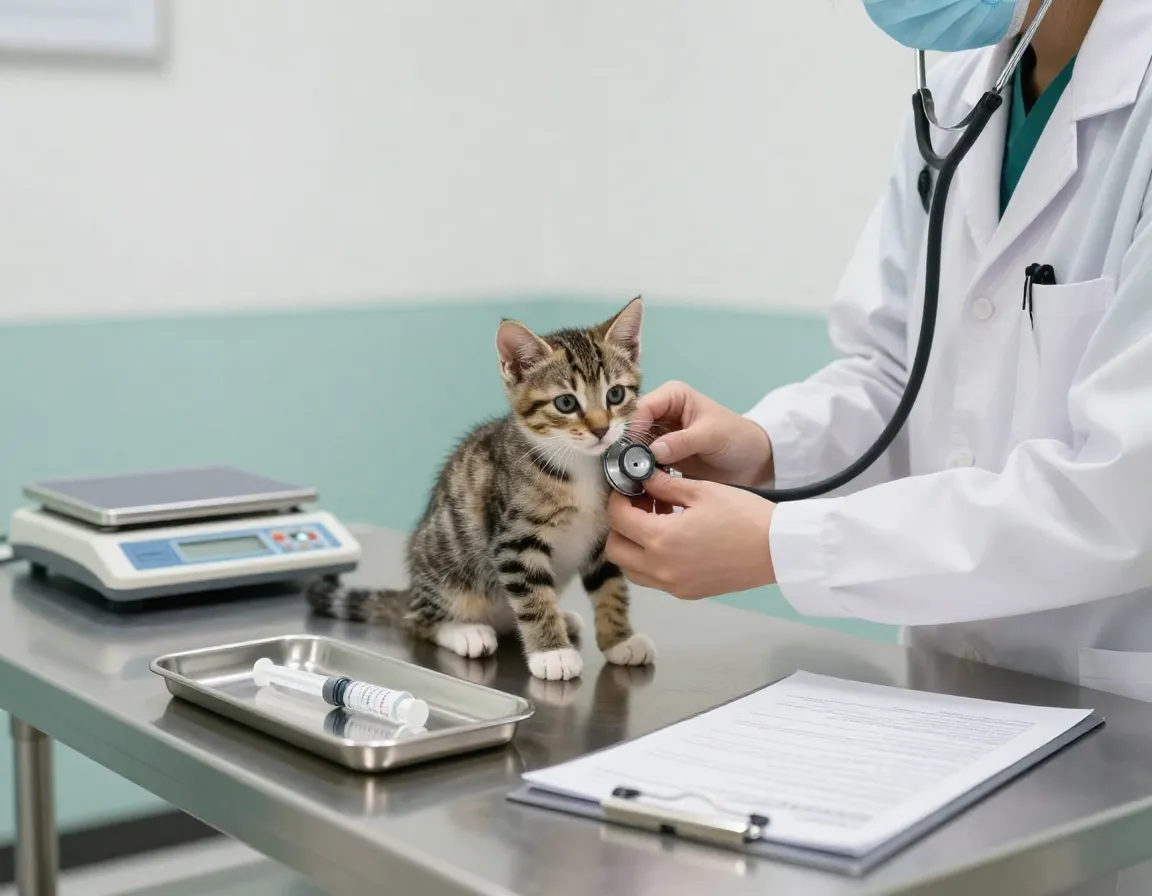
The fifth crucial step involves establishing proper veterinary care to ensure long-term health and disease prevention. Schedule the first veterinary visit between 6-8 weeks of age for vaccinations and health checks [1][9].
Essential Veterinary Timeline
5-6 weeks: First deworming [1]
- Most kittens are born with intestinal parasites
- Deworming helps prevent malnutrition and health complications
- Follow veterinarian’s recommended deworming schedule
6-8 weeks: CRPV vaccine and rabies vaccination [1]
- Core vaccines protect against serious diseases
- Establishes foundation for lifelong immunity
- Comprehensive health examination identifies any concerns
8-12 weeks: Second vaccination series
- Booster vaccines ensure adequate immunity
- Additional deworming if needed
- Discussion of spay/neuter timing
Health Screening Components
During veterinary visits, expect comprehensive evaluation including:
Physical examination:
- Weight and body condition assessment
- Heart and lung evaluation
- Examination of eyes, ears, and mouth
- Palpation of abdomen and lymph nodes
Diagnostic testing (if indicated):
- Fecal examination for parasites
- Blood work for underlying conditions
- FIV/FeLV testing for rescued kittens
Preventive care discussion:
- Vaccination schedule planning
- Parasite prevention protocols
- Nutrition recommendations
- Spay/neuter timing
6. Socialization and Behavioral Development
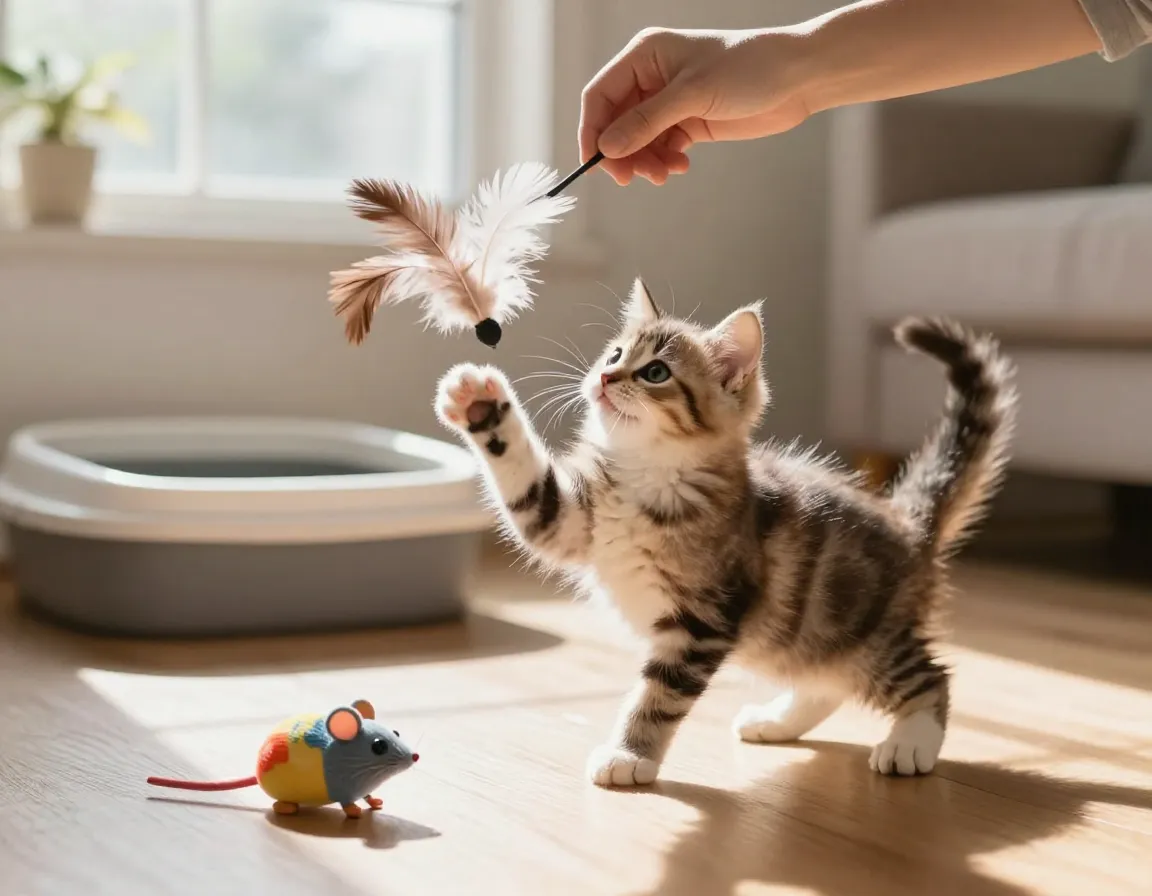
The final step in the 6 crucial steps on how to care for newborn kittens focuses on proper socialization to ensure well-adjusted, adoptable cats. Daily playtime and human interaction from early stages prepares kittens for adoption and reduces fear [1].
Critical Socialization Period
The socialization window occurs between 2-7 weeks of age, making early positive experiences essential for lifelong behavioral health. Kittens who receive adequate socialization during this period are more likely to become confident, friendly adult cats.
Socialization activities by age:
2-3 weeks:
- Gentle handling and petting
- Exposure to human voices and household sounds
- Introduction to different textures (blankets, towels)
3-4 weeks:
- Interactive play with appropriate toys
- Handling of paws, ears, and mouth (preparation for grooming)
- Introduction to different people
4-6 weeks:
- Supervised exploration of larger areas
- Introduction to other friendly cats (if health permits)
- Basic litter box training
6-8 weeks:
- Advanced play and interaction
- Preparation for adoption
- Final health assessments
Behavioral Development Milestones
Monitor behavioral development to ensure kittens are meeting appropriate milestones:
Motor skills development:
- Walking steadily by 3-4 weeks
- Running and jumping by 5-6 weeks
- Coordinated play behavior by 6-8 weeks
Social behavior:
- Playing with littermates
- Responding positively to human interaction
- Appropriate use of litter box
- Normal grooming behaviors
Preparing for Adoption
Well-socialized kittens should demonstrate:
- Comfort with human handling
- Playful, curious behavior
- Appropriate litter box use
- Healthy eating habits
- Age-appropriate motor skills
Document behavioral observations to share with potential adopters, helping ensure successful placements in appropriate homes.
Advanced Care Considerations and Troubleshooting
Managing Multiple Kittens
When caring for litters, additional considerations ensure all kittens receive adequate care:
Individual monitoring: Track each kitten’s weight, feeding, and development separately
Quarantine protocols: Isolate sick kittens immediately to prevent disease spread
Resource management: Ensure adequate heating, feeding supplies, and space for all kittens
Staggered care: Rotate attention to ensure each kitten receives individual socialization
Emergency Situations and First Aid
Recognize emergency situations requiring immediate veterinary attention:
Hypothermia: Gradual warming using body heat and blankets (never rapid heating)
Hypoglycemia: Signs include weakness, tremors, and lethargy
Aspiration pneumonia: Results from improper feeding technique
Failure to thrive: Persistent weight loss or lack of development
Special Needs Kittens
Some kittens may require additional care:
Premature kittens: Need extra warmth, more frequent feeding, and intensive monitoring
Orphaned singles: Require additional socialization and comfort items
Kittens with disabilities: May need modified care protocols and specialized veterinary attention
Long-term Success Strategies
Preparation for Independence
As kittens approach 8 weeks of age, focus on:
Litter box training: Provide low-sided boxes with appropriate litter
Independent eating: Ensure kittens can eat solid food without assistance
Social skills: Continued positive human interaction and appropriate play
Health maintenance: Up-to-date vaccinations and parasite prevention
Documentation and Record Transfer
Maintain comprehensive records for adopters or continued care:
- Complete medical history including vaccinations and treatments
- Feeding preferences and dietary requirements
- Behavioral observations and socialization progress
- Emergency contact information for veterinary care
Supporting Adopters
Provide new families with:
Care instructions: Feeding schedules, litter preferences, and health monitoring
Veterinary contacts: Information for continued medical care
Behavioral guidance: Tips for continued socialization and training
Emergency resources: 24-hour veterinary contacts and warning signs
Conclusion
Successfully implementing the 6 crucial steps on how to care for newborn kittens requires dedication, knowledge, and unwavering commitment to these vulnerable creatures. From maintaining proper temperature and feeding protocols to ensuring adequate veterinary care and socialization, each step plays a vital role in transforming helpless newborns into healthy, adoptable cats.
The journey of caring for newborn kittens is both challenging and incredibly rewarding. By following these evidence-based protocols—creating optimal environments, mastering feeding techniques, maintaining strict hygiene standards, managing proper weaning, scheduling appropriate veterinary care, and providing essential socialization—caregivers can significantly improve survival rates and long-term outcomes for these precious animals.
Next Steps for Success
Immediate actions:
- Assess your current setup against the temperature and housing requirements outlined
- Establish feeding schedules with appropriate milk replacer and sterilized equipment
- Contact local veterinarians to establish care relationships before emergencies arise
- Create monitoring systems for tracking weight gain, feeding, and behavioral development
Long-term planning:
- Build support networks with local rescue organizations and experienced foster families
- Invest in quality supplies including reliable heating equipment and feeding tools
- Continue education through veterinary resources and kitten care workshops
- Prepare for adoption by documenting progress and connecting with potential families
Remember that every kitten saved through proper care represents not just one life preserved, but a future filled with companionship, joy, and the continuation of the human-animal bond. The time and effort invested in mastering these 6 crucial steps on how to care for newborn kittens creates ripple effects that extend far beyond the initial weeks of care, contributing to healthier cat populations and stronger communities.
Whether you’re facing an unexpected litter, volunteering with rescue organizations, or preparing for planned fostering, these protocols provide the foundation for successful outcomes. Trust in the process, remain vigilant in your observations, and don’t hesitate to seek professional veterinary guidance when concerns arise. Your commitment to excellence in newborn kitten care makes the difference between survival and thriving for these remarkable creatures.
References
[1] Caring For A Newborn Kitten Until They Are 8 Weeks Old Complete Kitten Care Nutrition And Growth Guide – https://vetic.in/blog/pet-care/caring-for-a-newborn-kitten-until-they-are-8-weeks-old-complete-kitten-care-nutrition-and-growth-guide/
[2] Kitten Care – https://www.valleywestvets.com/services/cats/kitten-care
[3] Neonatal Kitten Toolkit – https://bestfriends.org/network/resources-tools/neonatal-kitten-toolkit
[4] Kitten Care – https://www.hudsonanimalhospitalnyc.com/services/cats/kitten-care/
[5] How Old Is That Kitten Guide Three Weeks – https://www.alleycat.org/resources/how-old-is-that-kitten-guide-three-weeks/
[6] Caring For Kittens From Birth To Eight Weeks – https://sheltermedicine.wisc.edu/library/guidebooks/guide-to-raising-underage-kittens/caring-for-kittens-from-birth-to-eight-weeks
[7] Caring Young Kittens And Their Moms – https://www.animalhumanesociety.org/resource/caring-young-kittens-and-their-moms
[8] How To Take Care Of A Kitten – https://www.shattovet.com/site/blog/2022/02/15/how-to-take-care-of-a-kitten
[9] Kitten – https://vcahospitals.com/pediatric/kitten
[10] Bringing Up A Litter Of Kittens Health Considerations – https://icatcare.org/articles/bringing-up-a-litter-of-kittens-health-considerations