6 Budget-Friendly Ball Python DIY Enclosure Ideas That Actually Work
Building the perfect home for a ball python doesn’t have to drain your bank account or require advanced carpentry skills. Many reptile enthusiasts spend hundreds or even thousands of dollars on commercial enclosures, only to discover that simple DIY solutions can provide the same level of comfort and safety for their scaly companions. The 6 Budget-Friendly Ball Python DIY Enclosure Ideas That Actually Work represent proven methods that countless snake owners have successfully implemented, creating thriving environments while keeping costs manageable.
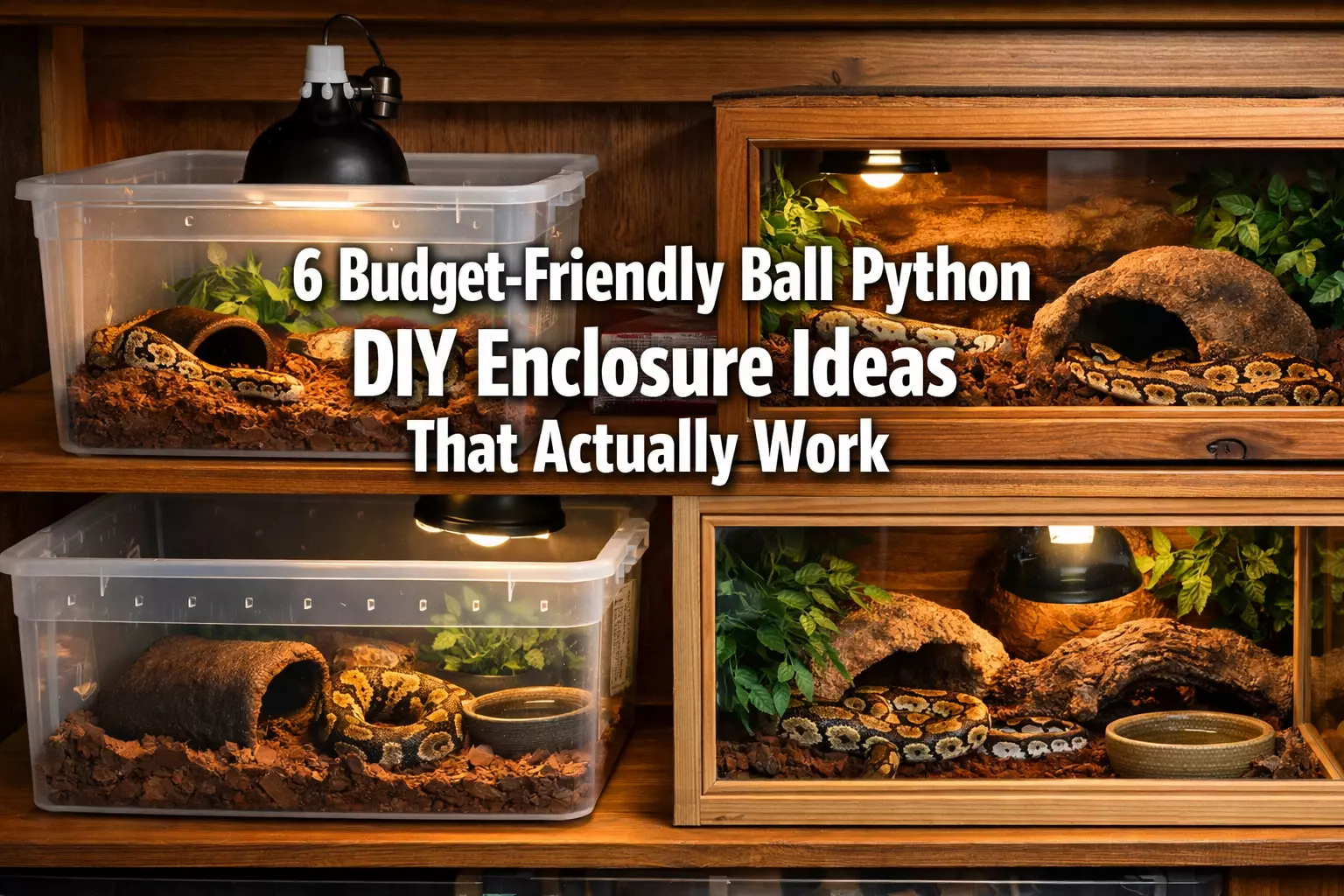
These practical solutions combine affordability with functionality, ensuring your ball python receives proper heating, humidity, ventilation, and security without breaking your budget. Each approach has been tested by experienced keepers and offers unique advantages depending on your space, skill level, and specific needs.
Key Takeaways
- Storage tub conversions offer the most affordable starting point, typically costing under $50 for a complete setup
- Wooden enclosures provide excellent insulation and customization options while remaining budget-conscious
- Proper ventilation and heating are non-negotiable safety requirements that can be achieved affordably with careful planning
- PVC alternatives like melamine boards offer durability at a fraction of commercial enclosure costs
- Repurposing furniture creates unique, functional habitats while recycling existing materials
Understanding Ball Python Housing Requirements
Before diving into the 6 Budget-Friendly Ball Python DIY Enclosure Ideas That Actually Work, understanding basic housing requirements ensures any DIY project meets your snake’s biological needs. Ball pythons require specific environmental conditions to thrive, regardless of whether their home costs $50 or $500.
Essential Environmental Parameters
Temperature gradients form the foundation of proper ball python care. The warm side should maintain 88-92°F (31-33°C), while the cool side stays around 78-80°F (26-27°C). Nighttime temperatures can drop slightly but should never fall below 75°F (24°C).
Humidity levels between 50-60% prevent shedding problems and respiratory issues. During shedding periods, humidity may need to increase to 70-80% temporarily. Proper ventilation prevents stagnant air while maintaining these humidity levels.
Security and hiding spots address ball pythons’ natural tendency to seek enclosed spaces. Each enclosure needs at least two hiding spots—one on the warm side and one on the cool side—plus a water bowl large enough for soaking.
Size Requirements by Age
| Snake Age | Minimum Length | Minimum Width | Minimum Height |
|---|---|---|---|
| Juvenile | 36 inches | 18 inches | 12 inches |
| Sub-adult | 48 inches | 24 inches | 16 inches |
| Adult | 60 inches | 24 inches | 18 inches |
The Top 6 Budget-Friendly Ball Python DIY Enclosure Ideas That Actually Work
1. Storage Tub Conversion Method
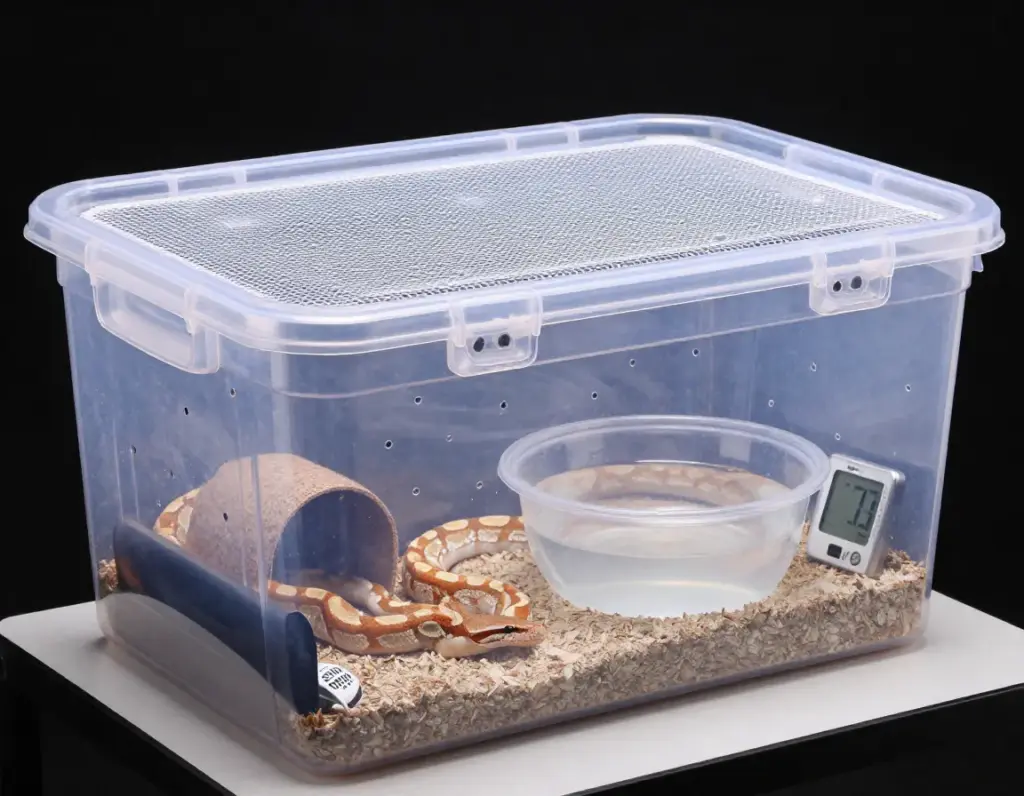
The storage tub conversion represents the most accessible entry point for budget-conscious snake owners. Large plastic storage containers, typically costing $20-40, transform into functional enclosures with minimal modifications.
Required materials include a 40-gallon or larger storage tub, a soldering iron or heated knife for ventilation holes, screen material, silicone sealant, and basic heating elements. Total cost rarely exceeds $60-80 for a complete setup.
Ventilation modifications involve creating multiple small holes along the sides and lid. Holes should be 1/4 inch in diameter, spaced 2-3 inches apart, and covered with fine mesh to prevent escapes. The soldering iron creates clean, melted edges that won’t crack over time.
Heating installation works best with under-tank heaters (UTH) placed on one end of the tub’s bottom. A thermostat controller prevents overheating and maintains consistent temperatures. Ceramic heat emitters can supplement ambient temperatures if needed.
Advantages include low cost, easy replacement, lightweight portability, and excellent humidity retention. The smooth plastic surfaces clean easily and resist bacterial growth when properly maintained.
Limitations involve reduced visibility, potential for scratching, and less aesthetic appeal compared to glass or wooden enclosures. However, these drawbacks rarely affect the snake’s wellbeing when environmental parameters remain stable.
2. Wooden Enclosure Construction
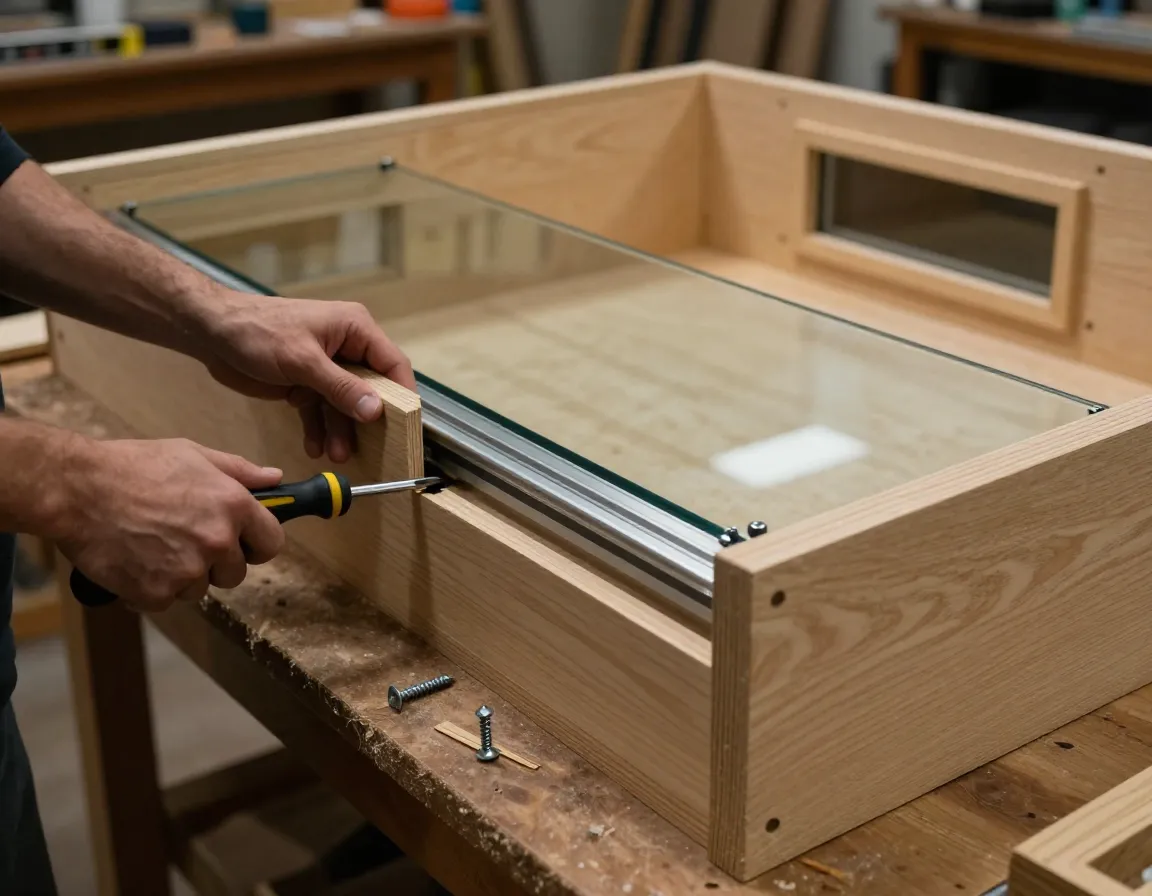
Wooden enclosures offer superior insulation properties and customization potential while maintaining reasonable costs. Plywood or melamine boards provide excellent building materials that resist moisture and maintain structural integrity.
Material selection focuses on 3/4-inch plywood or melamine-coated particleboard. Melamine offers better moisture resistance and easier cleaning, while plywood provides superior structural strength for larger enclosures. Both materials cost significantly less than commercial alternatives.
Construction basics require measuring, cutting, and assembling six panels (top, bottom, back, two sides, and front with access doors). Basic woodworking tools suffice—a circular saw, drill, screws, and wood glue handle most assembly tasks.
Ventilation planning incorporates screen panels or drilled holes on opposite ends to create proper airflow. Cross-ventilation prevents stagnant air while maintaining humidity levels. Screen panels can be framed with wooden strips for a professional appearance.
Access design typically features sliding glass doors, hinged wooden doors, or removable front panels. Sliding tracks can be routed into the wood or created using aluminum channels. Secure latches prevent accidental escapes while allowing easy access for maintenance.
Finishing touches include sealing all interior surfaces with polyurethane or polycrylic finishes. These coatings protect the wood from moisture damage and create smooth, cleanable surfaces. Multiple thin coats provide better protection than single thick applications.
3. Repurposed Furniture Transformation
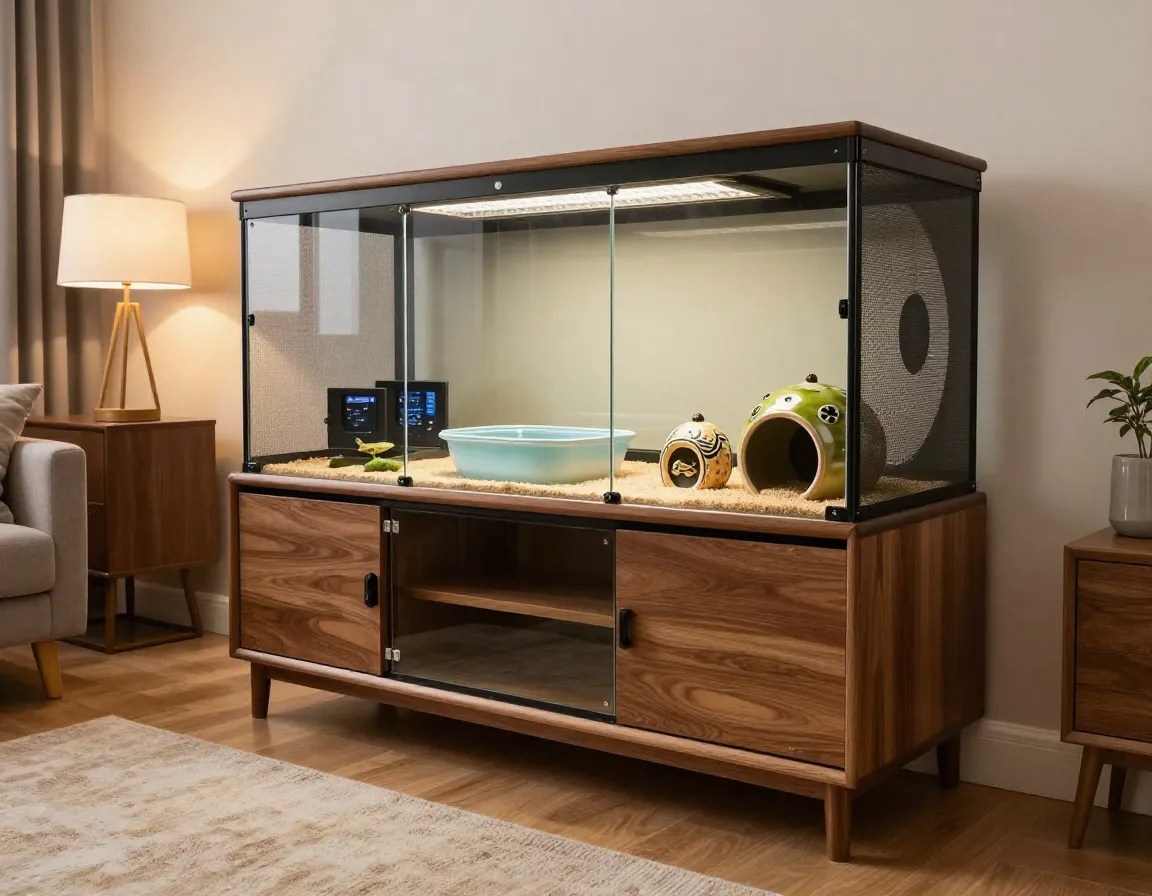
Creative reptile keepers often discover that existing furniture pieces can transform into excellent ball python enclosures with strategic modifications. Entertainment centers, dressers, and bookcases offer pre-built structures that reduce construction time and costs.
Furniture selection criteria prioritize solid wood construction, appropriate interior dimensions, and structural stability. Particle board furniture may not withstand humidity and temperature cycling, while solid wood pieces often last for decades with proper treatment.
Modification requirements typically involve removing or relocating shelves, installing ventilation, adding heating elements, and creating secure access points. Most furniture pieces need additional ventilation beyond their original design parameters.
Entertainment center conversions work particularly well because they often include glass doors and appropriate dimensions. Removing electronic components creates open space, while existing cable management holes can accommodate heating and monitoring equipment.
Safety considerations include checking for toxic finishes, ensuring adequate ventilation, and verifying structural integrity. Some older furniture may contain lead-based paints or formaldehyde-emitting adhesives that could harm reptiles.
Cost advantages become significant when furniture pieces are acquired secondhand or repurposed from existing household items. Total project costs often stay under $100, including materials for modifications and safety improvements.
4. PVC Panel Assembly System
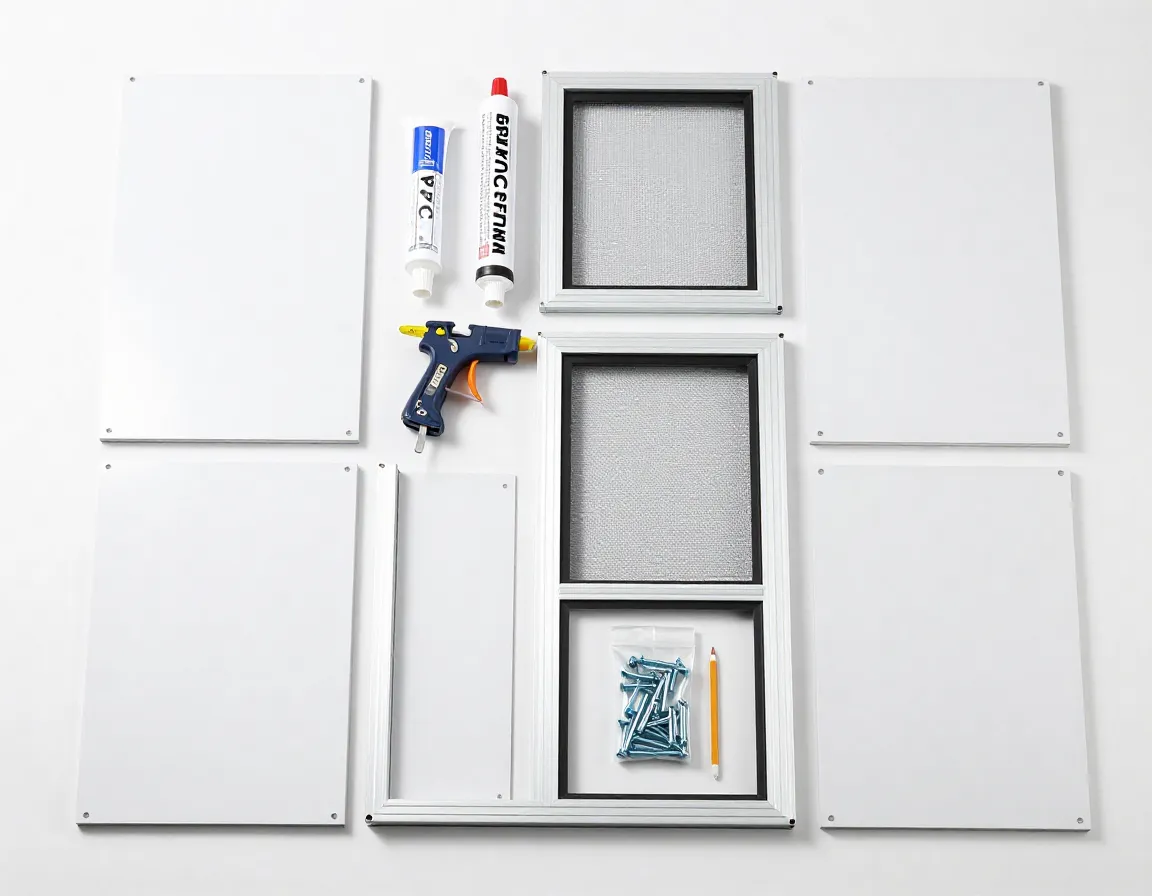
PVC panels offer an excellent middle ground between storage tubs and expensive commercial enclosures. These lightweight, durable materials resist moisture, maintain temperatures efficiently, and create professional-looking results.
Material sourcing involves purchasing PVC sheets from hardware stores or plastic suppliers. Typical thickness ranges from 1/4 inch to 1/2 inch, with thicker panels providing better insulation and structural strength. White or colored panels offer aesthetic variety.
Assembly techniques use PVC cement or mechanical fasteners to join panels. PVC cement creates permanent, waterproof joints, while screws and brackets allow for disassembly and modifications. Both methods produce reliable, long-lasting connections.
Cutting and shaping require basic tools like circular saws with fine-tooth blades or scoring knives for thinner panels. PVC cuts cleanly and rarely chips or cracks when proper techniques are used. Edges can be smoothed with sandpaper or routers.
Ventilation integration involves cutting openings and installing screen panels or louvered vents. PVC machines easily with standard woodworking tools, allowing for precise ventilation placement and professional-looking results.
Professional appearance results from careful planning and attention to detail. PVC panels can be painted, textured, or left in their natural finish. The material’s uniform appearance creates clean, modern-looking enclosures that rival commercial products.
5. Glass Tank Modification Approach
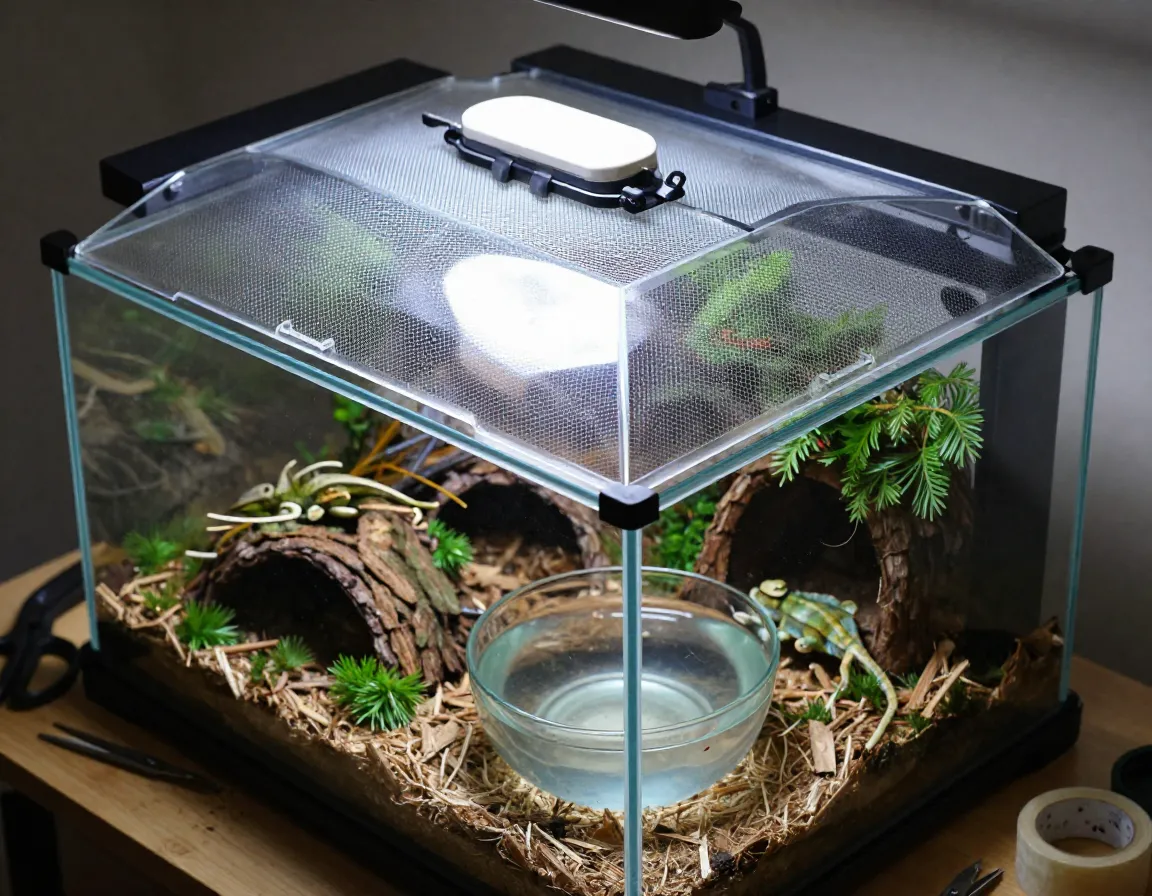
Many reptile keepers inherit or find affordable glass aquariums that can be modified for ball python use. While standard aquariums don’t provide ideal proportions, strategic modifications can create functional habitats.
Aquarium assessment begins with evaluating size, structural condition, and modification potential. 40-gallon breeder tanks offer better floor space than standard 40-gallon tanks, while larger tanks provide more options for creating proper temperature gradients.
Lid modifications represent the most critical improvement for aquarium conversions. Standard mesh lids allow excessive heat and humidity loss, requiring replacement or supplementation with solid covers that maintain environmental stability.
Heating challenges arise from glass’s poor insulation properties and large surface area. Additional heating elements and insulation may be necessary to maintain proper temperatures efficiently. Radiant heat panels work well for supplementing under-tank heaters.
Humidity retention improvements include covering portions of the screen lid, adding larger water bowls, and using moisture-retaining substrates. Cypress mulch or coconut fiber help maintain humidity levels that standard aquarium setups struggle to achieve.
Security enhancements focus on escape-proofing and creating appropriate hiding spots. Glass tanks often lack adequate hiding areas, requiring the addition of commercial hides or DIY hiding spots made from various materials.
6. Hybrid Tub and Frame Design
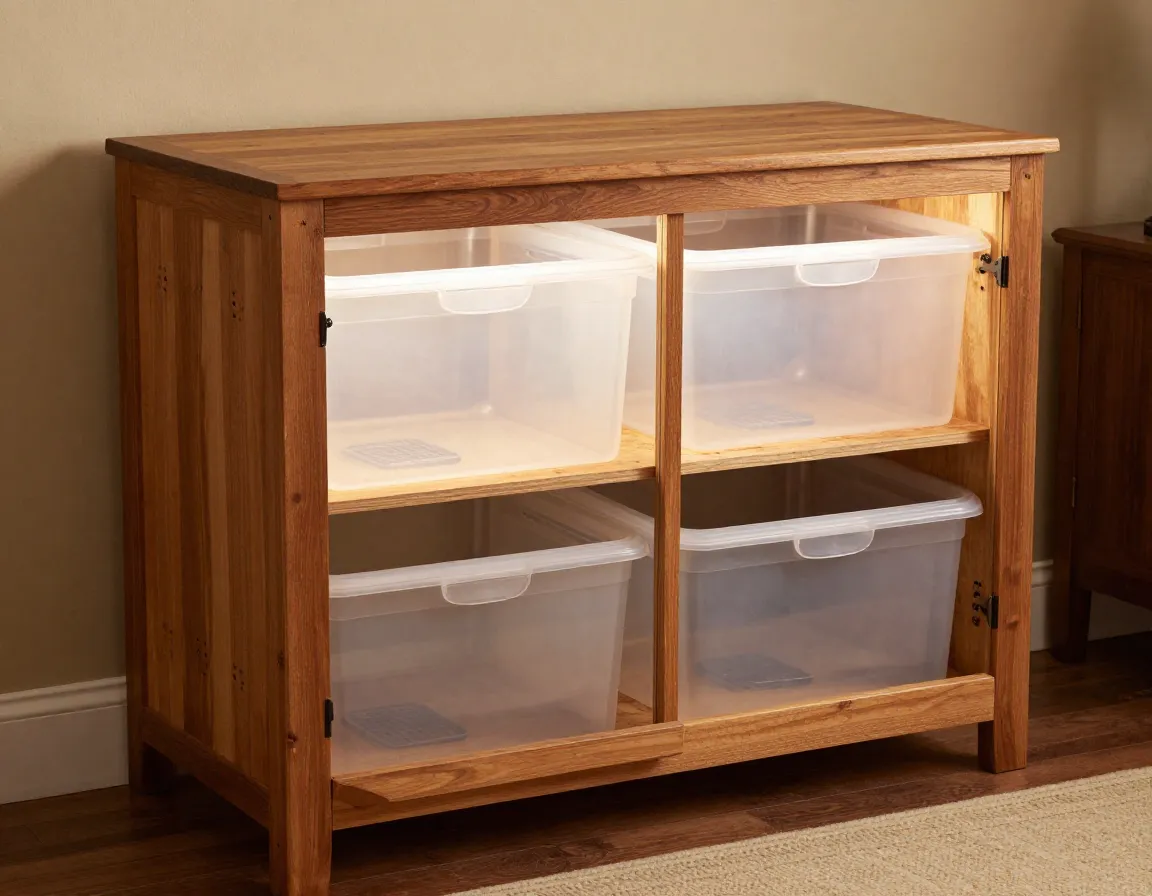
The hybrid approach combines storage tub affordability with wooden frame aesthetics and functionality. This method creates attractive, functional enclosures while maintaining budget-friendly costs.
Frame construction uses basic lumber to create a support structure that holds one or more storage tubs. 2×4 lumber provides adequate strength for most applications, while plywood panels can enclose the frame for a finished appearance.
Tub integration involves securing plastic tubs within the wooden frame using brackets, ledges, or custom-fitted openings. This approach allows easy tub replacement while providing the stability and appearance of wooden construction.
Multi-level possibilities emerge when frames accommodate multiple tubs, creating breeding setups or housing for multiple snakes. Proper planning ensures each level receives adequate heating, ventilation, and access for maintenance.
Aesthetic improvements include adding trim pieces, decorative panels, or matching finishes that integrate the hybrid enclosure with existing room décor. The wooden frame can be stained, painted, or finished to match furniture or personal preferences.
Functional advantages combine the easy cleaning and replacement benefits of plastic tubs with the insulation and customization potential of wooden construction. This approach often costs less than all-wood construction while providing superior functionality compared to standalone tubs.
Essential Safety Considerations for DIY Enclosures
Safety considerations transcend budget constraints and apply equally to all 6 Budget-Friendly Ball Python DIY Enclosure Ideas That Actually Work. Proper planning and execution prevent accidents, injuries, and health problems for both snakes and their owners.
Electrical Safety Protocols
GFCI protection should protect all electrical components in reptile enclosures. Ground fault circuit interrupters prevent electrocution risks in humid environments where water and electricity coexist. Many reptile-specific electrical components include built-in GFCI protection.
Thermostat requirements extend beyond temperature control to safety protection. Quality thermostats include over-temperature protection, probe failure alarms, and backup safety systems that prevent dangerous temperature excursions.
Wire management keeps electrical connections away from moisture and prevents damage from snake movement. Waterproof connections, strain relief, and proper routing reduce fire risks and ensure reliable operation.
Ventilation and Air Quality
Cross-ventilation prevents stagnant air conditions that promote bacterial growth and respiratory problems. Air should enter low on one side and exit high on the opposite side, creating natural convection currents.
Ventilation sizing follows the general rule of 1 square inch of ventilation per gallon of enclosure volume. This guideline ensures adequate air exchange while maintaining humidity and temperature stability.
Air quality monitoring helps identify problems before they affect snake health. Humidity meters, thermometers, and regular visual inspections reveal environmental issues that require attention.
Escape Prevention Measures
Secure latches must withstand the surprising strength of ball pythons attempting to push open enclosure doors. Multiple latch points, positive locking mechanisms, and backup security prevent accidental escapes.
Gap elimination addresses ball pythons’ ability to squeeze through surprisingly small openings. Any gap larger than the snake’s smallest body dimension represents a potential escape route requiring modification.
Regular inspections identify wear, damage, or loosening that could compromise security. Monthly safety checks should examine all latches, seals, and structural components for signs of deterioration.
Cost-Effective Heating and Lighting Solutions
Proper environmental control represents a significant portion of enclosure costs, but smart shopping and DIY solutions can dramatically reduce expenses without compromising safety or effectiveness.
Heating Element Options
Under-tank heaters (UTH) provide efficient, economical heating for most ball python enclosures. These flat heating pads attach to enclosure bottoms and create warm zones without affecting ambient humidity. Quality UTH units cost $15-30 and last for years with proper use.
Ceramic heat emitters (CHE) supplement UTH systems when additional ambient heating is needed. These non-light-producing heaters operate 24/7 without disrupting natural day/night cycles. CHE units range from $20-40 and provide reliable, long-term service.
Radiant heat panels (RHP) offer premium heating performance at moderate costs. These flat panel heaters mount inside enclosures and provide gentle, even heating that closely mimics natural basking conditions. RHP systems cost $60-100 but offer superior efficiency and longevity.
Temperature Control Systems
Basic thermostats provide essential temperature regulation for any heating system. Simple on/off controllers cost $25-40 and prevent dangerous overheating while maintaining consistent temperatures within acceptable ranges.
Proportional thermostats offer more precise control and gentler temperature regulation. These advanced controllers gradually adjust heating output rather than simply switching on and off, resulting in more stable temperatures and longer equipment life.
Monitoring systems help track environmental conditions and identify problems early. Digital thermometers, min/max recording devices, and wireless monitoring systems provide valuable data for optimizing enclosure conditions.
Energy Efficiency Strategies
Insulation improvements reduce heating costs and improve temperature stability. Foam board, reflective barriers, and weather stripping can significantly improve enclosure efficiency with minimal investment.
Timer controls reduce lighting and supplemental heating costs by automating day/night cycles. Digital timers cost under $20 and can control multiple devices while reducing energy consumption.
Heat retention techniques include using thermal mass (water bowls, stones), reflective surfaces, and draft elimination to maintain temperatures more efficiently. These passive methods reduce active heating requirements and lower operating costs.
Maintenance and Long-term Care Tips
Successful DIY enclosures require ongoing maintenance to ensure continued safety, functionality, and aesthetics. Proper care extends enclosure life and maintains optimal conditions for ball python health.
Cleaning and Sanitization Protocols
Regular cleaning schedules prevent bacterial buildup and maintain healthy environments. Spot cleaning should occur immediately when waste is discovered, while deep cleaning should happen monthly or as needed based on substrate type and snake behavior.
Safe cleaning products include diluted bleach solutions (1:10 ratio), white vinegar, and reptile-safe commercial cleaners. Avoid ammonia-based products, scented cleaners, and harsh chemicals that could harm sensitive reptile respiratory systems.
Drying and ventilation after cleaning prevents mold growth and ensures complete chemical removal. All surfaces should be thoroughly dried and aired out before returning snakes to their enclosures.
Component Replacement and Upgrades
Heating element lifespan varies by type and usage, but most components require replacement every 2-5 years. UTH pads typically last longest, while bulbs and CHE units may need more frequent replacement.
Thermostat calibration should be checked annually using independent thermometers to ensure accuracy. Temperature drift over time can create dangerous conditions that regular calibration prevents.
Structural inspections identify wear, warping, or damage that could compromise safety or functionality. Wood enclosures may need refinishing every few years, while plastic components should be checked for cracks or degradation.
Seasonal Adjustments and Monitoring
Winter heating requirements often increase due to lower ambient temperatures and increased heat loss. Additional insulation or supplemental heating may be necessary during cold months.
Summer cooling strategies help maintain proper temperatures when ambient conditions exceed optimal ranges. Increased ventilation, cooling fans, or air conditioning may be required in extreme climates.
Humidity fluctuations occur seasonally and require adjustment of water bowl sizes, substrate types, or ventilation settings to maintain optimal conditions year-round.
Conclusion
The 6 Budget-Friendly Ball Python DIY Enclosure Ideas That Actually Work prove that providing excellent reptile housing doesn’t require enormous financial investment or advanced construction skills. From simple storage tub conversions costing under $60 to sophisticated wooden enclosures under $200, these proven methods offer solutions for every budget and skill level.
Success depends on prioritizing safety and functionality over aesthetics, ensuring proper heating, ventilation, and security regardless of construction method or materials used. Each approach offers unique advantages, whether it’s the affordability of plastic tubs, the customization potential of wooden construction, or the durability of PVC panels.
Take action today by assessing your current situation, budget, and skill level to choose the most appropriate DIY approach. Start with a simple storage tub conversion to gain experience, then consider upgrading to more sophisticated designs as your confidence and requirements evolve.
Remember that the best enclosure is one that meets your ball python’s biological needs consistently and safely. Focus on creating proper temperature gradients, adequate humidity, secure housing, and easy maintenance access. With careful planning and attention to detail, these budget-friendly solutions will provide years of reliable service while keeping both you and your snake happy and healthy.
Begin planning your DIY project this week by gathering materials, measuring spaces, and preparing for construction. Your ball python will thrive in a properly built DIY enclosure, and your wallet will appreciate the significant savings compared to commercial alternatives. The satisfaction of building a custom habitat adds an extra layer of enjoyment to the reptile keeping hobby while demonstrating that excellent animal care doesn’t require premium prices.